




USA: Big Cities, National Parks, and Long Roads
Travel guide · editorialA vacation in the USA can mean many things: a week among the museums and delis of New York, three weeks in an RV through the canyons of Utah, or a road trip along the Pacific coast with stops at seafood restaurants on wooden piers. The distances are huge, and if you're planning a trip to the USA, it's best to settle early on one or two regions rather than trying to squeeze the whole country into a single vacation.
Regions and Landscapes Between the Atlantic and the Pacific
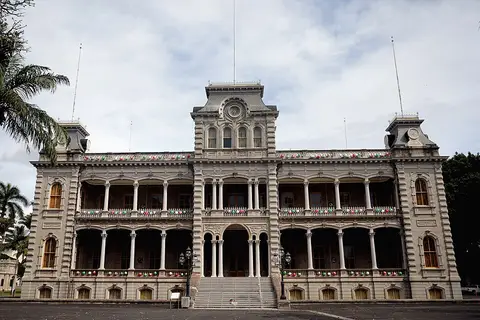
The Northeast is the historic heartland: small New England towns with white wooden churches, lobster shacks on the coast of Maine, and in October, forests where the maple leaves turn deep red. Farther south it gets humid and green; in Georgia and the Carolinas, Spanish moss hangs from the oaks, and in Louisiana the bayous wind through swampland. Florida lives off its beaches, the Keys, and the Everglades, where alligators sun themselves at the side of the road. In the Midwest, cornfields and wheat fields stretch to the horizon, interrupted by the Great Lakes, which feel more like an ocean than inland waters. The West, finally, is the America of postcards: deserts in Arizona and Nevada, red rock arches in Utah, the Rocky Mountains in Colorado and Montana, redwood forests and vineyards in California. Alaska and Hawaii add two worlds of their own, one with glaciers and grizzly bears, the other with volcanoes and coral reefs.
New York, Chicago, and the Big Cities
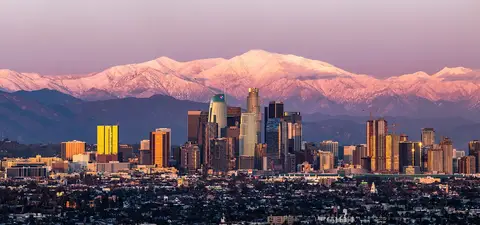
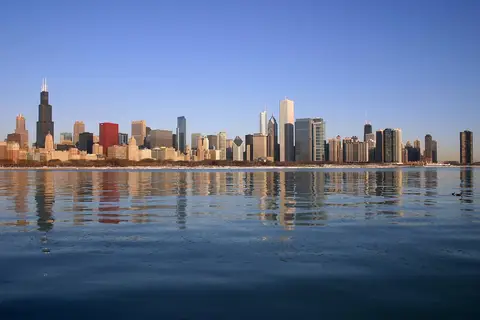
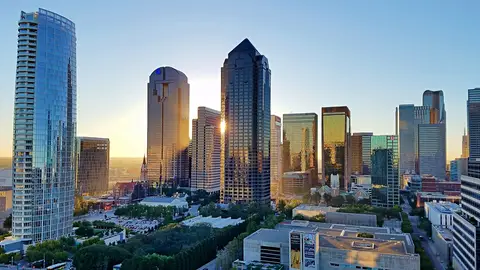
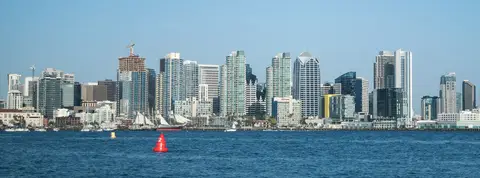
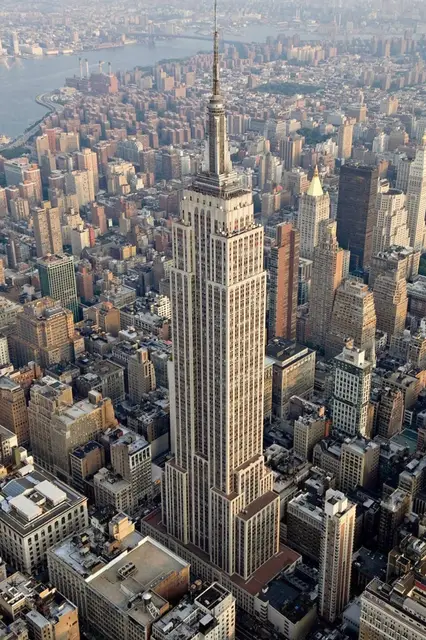
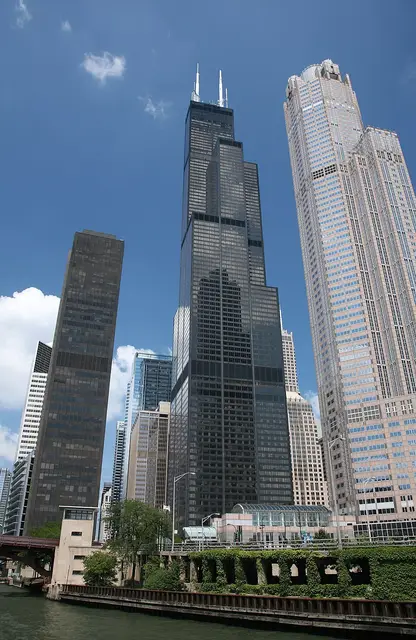
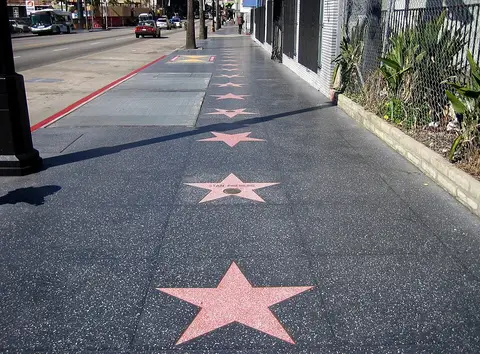
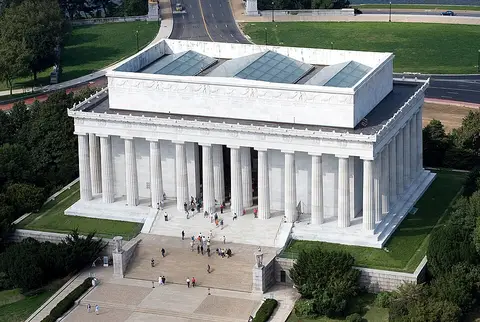
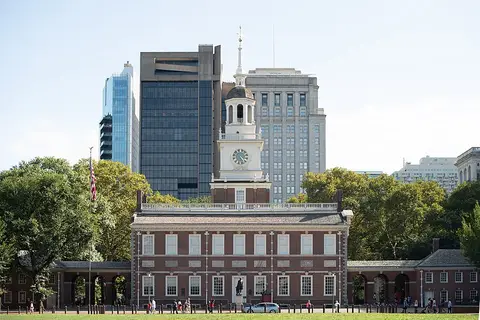
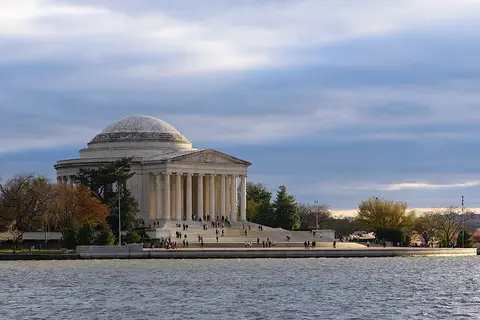
For many travelers, New York is the starting point. Manhattan demands stamina: Central Park in the morning, the Metropolitan Museum at midday, and in the evening a walk across the Brooklyn Bridge to see the skyline in the last light. In Brooklyn and Queens, the city shows a more everyday side, with bagel bakeries, Colombian snack stands in Jackson Heights, and flea markets in Williamsburg. Chicago is considered the capital of architecture; a boat tour on the Chicago River explains the history of the skyscrapers better than any book, and afterward there's deep-dish pizza or a Cubs game at Wrigley Field. Los Angeles is less a city than a collection of neighborhoods: Hollywood, the Venice boardwalk, the Getty Center on its hilltop, and Koreatown with its barbecue restaurants. Farther south lies San Diego, with its mild climate, sea lions in La Jolla, and Balboa Park. In Texas, the cities are surprisingly different from one another: Houston with NASA's Space Center, Dallas with its museums in the Arts District, San Antonio with the Alamo mission and the River Walk. Philadelphia tells the story of the nation's founding, with the Liberty Bell and Independence Hall, and of course a cheesesteak is part of the experience. Washington, D.C., in turn, draws visitors with the free Smithsonian museums along the National Mall.
National Parks and Attractions in the USA
Among the best-known attractions in the USA, landscapes outnumber buildings. The National Park Service protects more than 60 national parks, and some of them are so popular that in peak season you have to reserve a time slot to enter. The Grand Canyon in Arizona is easy to experience from the South Rim; if you want more, you can hike a ways down the Bright Angel Trail. Yellowstone with its geysers and bison herds, Yosemite with the granite monolith El Capitan, Zion and Bryce Canyon in Utah, the Great Smoky Mountains in the East: for a road trip, the "America the Beautiful" annual pass is worth it, though it now costs international visitors considerably more than residents. Besides the parks, roads shape the travel experience, above all Route 66 from Chicago to Santa Monica and Highway 1 along the cliffs of Big Sur.
History, Music, and Regional Culture
The country's history is young but dense. Long before the Europeans arrived, numerous Indigenous peoples lived here, and their culture is still visible today in the Navajo Nation around Monument Valley and in the pueblos of New Mexico. The civil rights movement can be traced in Montgomery, Selma, and Memphis, where the National Civil Rights Museum is housed in the former Lorraine Motel. In many places, music is the key to the region: jazz in the clubs of Frenchmen Street in New Orleans, country in the honky-tonks of Nashville, blues in the Mississippi Delta, Motown in Detroit.
Food and Drink, from Barbecue to Food Trucks
American cuisine is often underestimated. In Texas, beef brisket is smoked for hours over oak wood; in Kansas City and Memphis, it's all about ribs and sauces. In New Orleans, gumbo, jambalaya, and powdered-sugar beignets are on the table, and on the East Coast, clam chowder and lobster rolls. California has developed a lighter style of its own, with fish tacos, avocado, and fresh produce from the Central Valley. Immigrants have left their mark everywhere, so a good dim sum spot in San Francisco or an Ethiopian restaurant in Washington is as much a part of the country as the diner with pancakes and drip coffee. Craft beer is now brewed in almost every small town, and wine mainly in Napa and Sonoma Valley and in Oregon. When it's time to pay, keep in mind that a tip of 18 to 20 percent is customary in restaurants, and that sales tax is usually not included in the listed prices.
Getting There and Getting Around in the USA
From Frankfurt, Munich, and other German airports, there are direct flights to New York, Chicago, Washington, Atlanta, Miami, Los Angeles, San Francisco, and other cities. The flight to New York takes about eight and a half hours; to the West Coast, around eleven to twelve. German citizens enter under the Visa Waiver Program and need an ESTA authorization in advance as well as an electronic passport; entry requirements and fees have changed several times recently and should be checked before you travel. Within the country, flying is the norm for long distances. Trains play little role outside the corridor between Boston, New York, and Washington, even though long-distance trains like the California Zephyr are scenic. For national parks and the country beyond the major cities, a rental car is almost indispensable. An international driver's license is recommended; gas is cheaper than in Germany, but the distances are long.
Best Time to Visit the USA
There is no single best time to visit the USA. New York and New England are most pleasant in May and June and from September to mid-October, with temperatures around 68 to 77°F (20 to 25°C); July and August get muggy, and in winter there's often snow. Spring and fall are best for the national parks in the Southwest, since in summer Death Valley regularly tops 113°F (45°C) and it can get hot during the day at the Grand Canyon as well. Yellowstone and the Rockies, on the other hand, are best from June to September; many roads are closed in winter. Florida and Hawaii can be visited year-round; in Florida, winter, at 72 to 79°F (22 to 26°C), is actually peak season, while hurricanes are possible from June to November. California has a mild climate, though along the coast around San Francisco summer often brings fog, and September is often the warmest month there.
USA Destinations for Your First Trip and Your Next
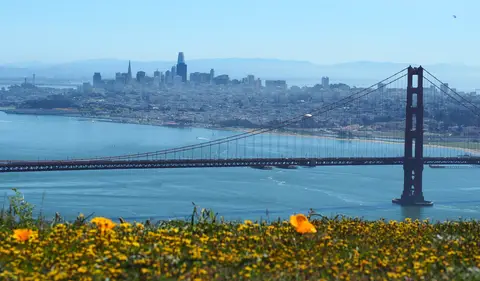
For a first trip, a combination of New York and a short loop through New England is a good choice, or the classic West with San Francisco, Yosemite, Las Vegas, and the Grand Canyon. If you've been before, you'll find more USA destinations off the beaten path: the Oregon coast with its lighthouses, the Badlands in South Dakota, the art scene of Santa Fe, the barrier islands of the Outer Banks, or the mountain villages of Appalachia, where bluegrass is played in the evenings. It's in places like these that you experience a country that is much slower and friendlier than the headlines suggest.