Oklahoma: Prairie, Route 66, and Native American Culture
Travel guide · editorialThe name Oklahoma comes from the Choctaw language and means "red people" – no coincidence, since hardly any other state is so strongly shaped by Native American history. A trip to Oklahoma takes you to cowboy and tribal culture, along the longest drivable stretch of Route 66, to Art Deco Tulsa, and into a prairie landscape where massive thunderheads pile up overhead.
Landscape Between the Ozarks and the High Plains
Oklahoma is more varied than its reputation as a flat prairie state suggests. In the east, the forested foothills of the Ozark and Ouachita Mountains stretch out, with lakes like Lake Tenkiller and rivers like the Illinois River, where canoes drift in summer. In the southwest, the Wichita Mountains rise up, granite domes among which bison, elk, and Longhorn cattle graze in the wildlife refuge. The middle of the state is open grassland, while the narrow Panhandle in the northwest already belongs to the High Plains, with mesas such as Black Mesa, the state's highest point. In spring, Oklahoma sits in the middle of Tornado Alley, and storm chasers travel here specially.
Oklahoma City and Tulsa
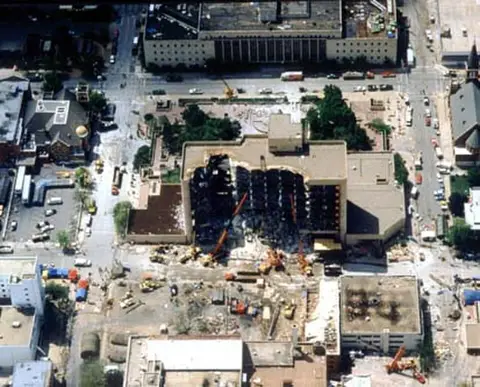
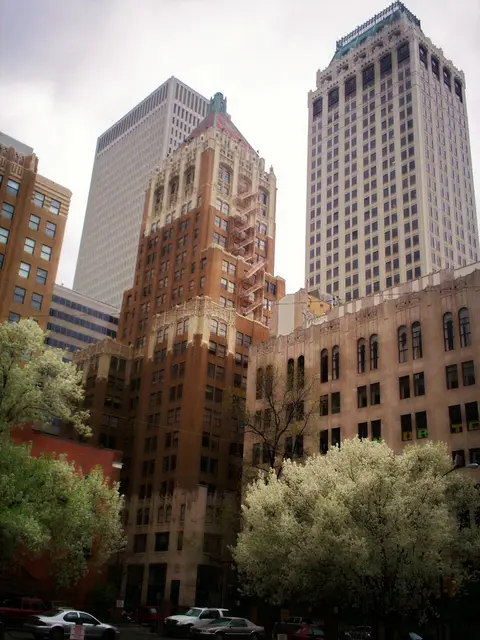
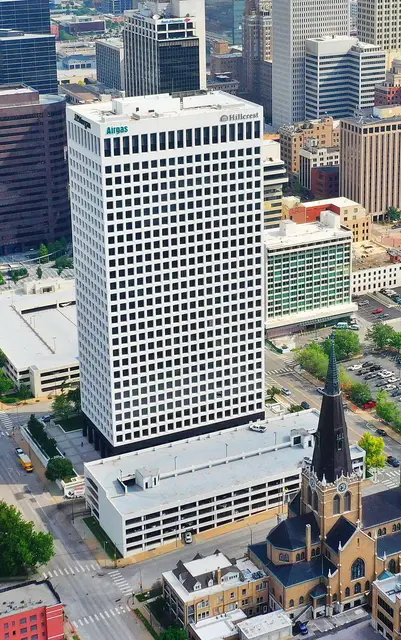
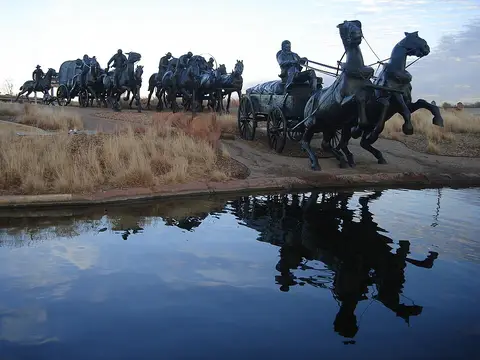
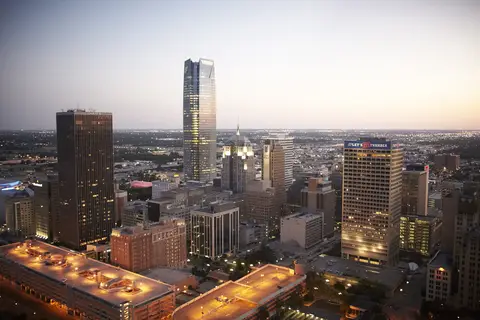
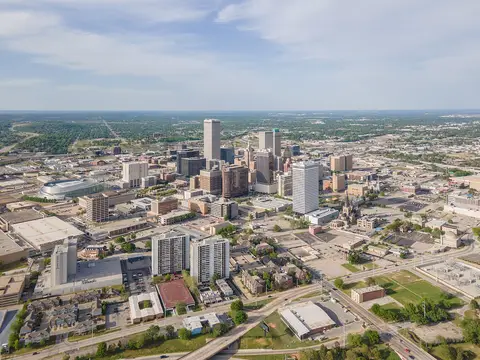
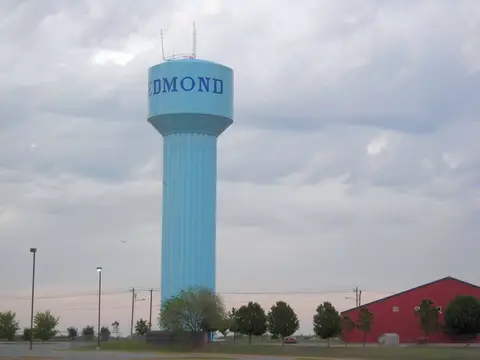
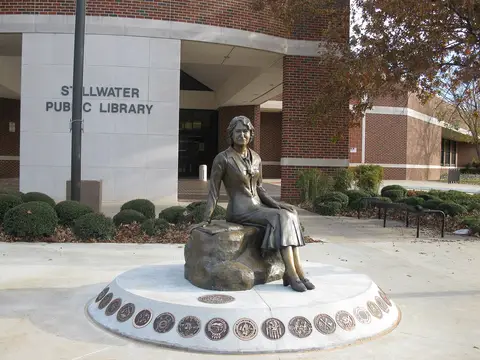
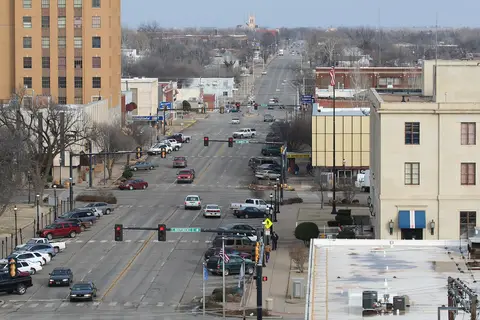
Oklahoma City came into being in a single day: during the Land Run on April 22, 1889, around 50,000 settlers poured into the newly opened territory and staked out claims. Today the capital is a sprawling metropolis with the National Cowboy & Western Heritage Museum, the Bricktown district with its canal and warehouse restaurants, and the Oklahoma City National Memorial, which commemorates the 1995 bombing that killed 168 people. Oil derricks still stand beneath the Capitol. In the 1920s, Tulsa was the "Oil Capital of the World" and has a remarkable Art Deco downtown. The Philbrook and the Gilcrease Museum show art from America and Europe, and Gathering Place on the Arkansas River is one of the largest privately funded parks in the US. At the Bob Dylan Center and the Woody Guthrie Center, you can experience music history. In the Greenwood district, Greenwood Rising commemorates the 1921 massacre in which a white mob destroyed the prosperous Black neighborhood known as "Black Wall Street." Norman is home to the University of Oklahoma and Stillwater to Oklahoma State University; Edmond, Broken Arrow, Lawton, and Midwest City are other large cities.
Attractions in Oklahoma and Native American Heritage
Thirty-nine federally recognized tribes live in Oklahoma, many of them forcibly relocated here from the southeastern US along the "Trail of Tears" in the 19th century. Tahlequah is the capital of the Cherokee Nation and home to the Cherokee Heritage Center, and in Oklahoma City the First Americans Museum, which opened in 2021, presents the history and present-day life of the tribes. In Anadarko and at summer powwows, you can experience dances and traditional crafts. Route 66 runs for about 400 miles (650 km) through the state, with iconic stops such as the Blue Whale in Catoosa, the Round Barn in Arcadia, and Pops with its giant soda bottle. Near Lawton, Fort Sill recalls the Indian Wars; Geronimo is buried here.
Culture and Music
The musical "Oklahoma!" made the state world-famous in 1943. Country stars such as Garth Brooks, Reba McEntire, and Carrie Underwood come from here, as does Woody Guthrie. Rodeos, such as the International Finals Rodeo, and cowboy culture are alive and well; in the Stockyards City district of Oklahoma City, cattle are still auctioned.
Food and Drink
The official state meal is a lavish platter of barbecue, chicken fried steak, okra, cornbread, black-eyed peas, and pecan pie. A regional specialty is the onion burger from El Reno, in which paper-thin onions are pressed into the patty. Native American cuisine brings frybread and hominy to the table.
Best Time to Visit and Getting There
Spring and fall are the most pleasant seasons, although the risk of severe storms and tornadoes is greatest in April and May. Summers are hot. Oklahoma City (OKC) and Tulsa (TUL) airports are served via US hubs. The two cities are about 105 miles (170 km) apart, part of the route following Route 66. You'll have a hard time getting around without a rental car.