Discovering Tulsa: Art Deco, Route 66, and Gathering Place
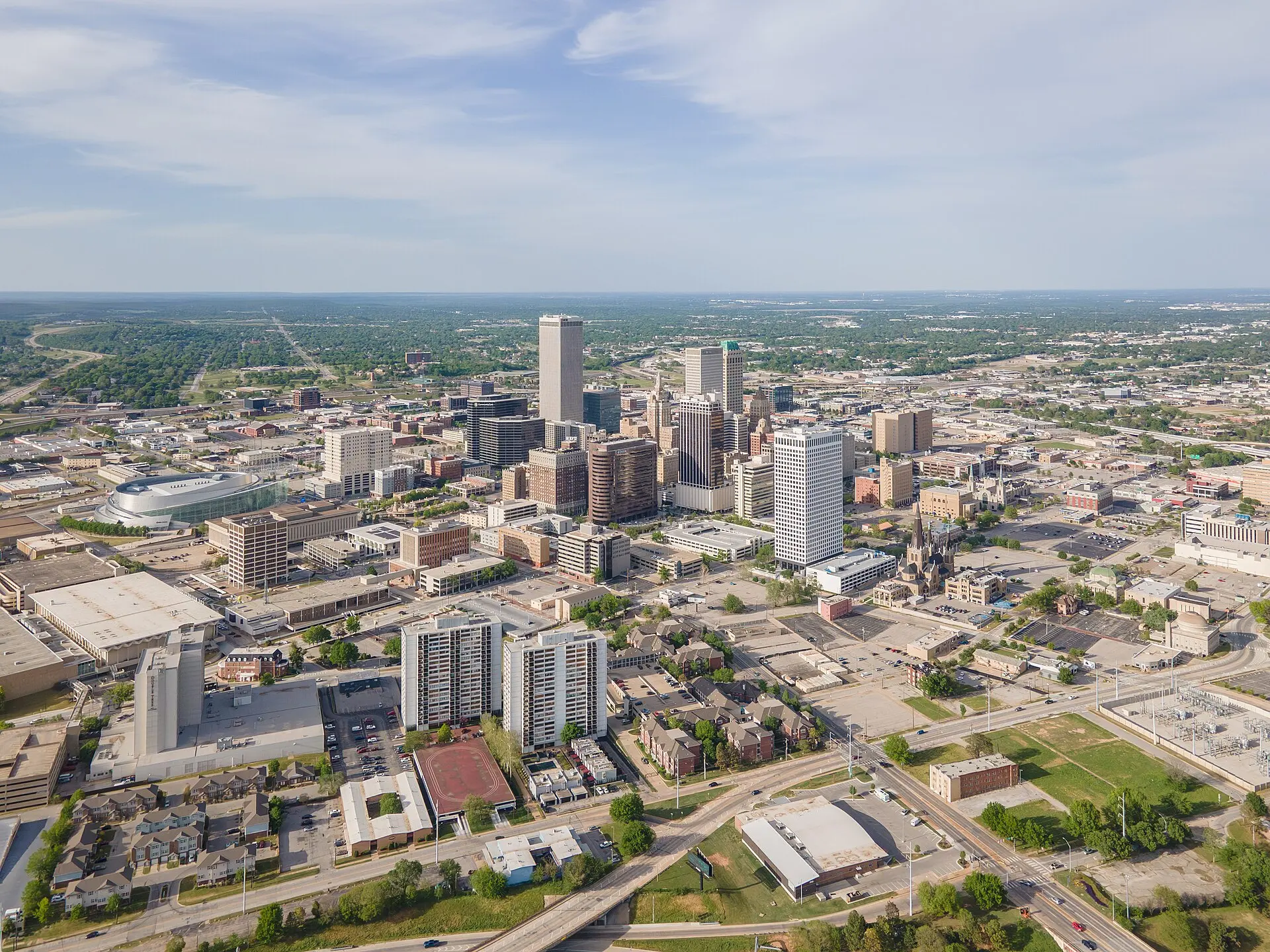
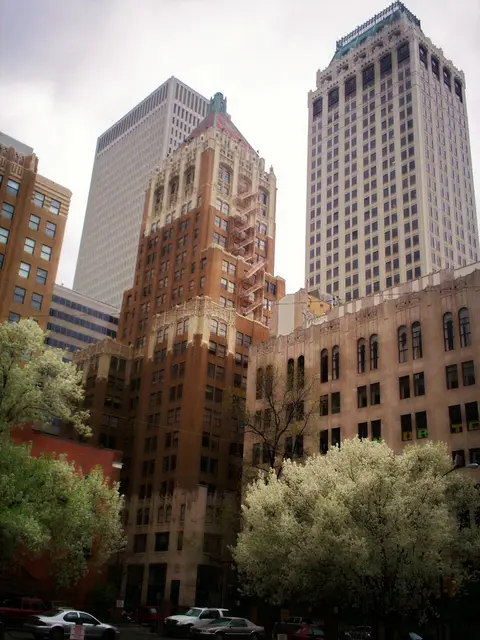
Travel guide · editorialThe oil barons of the 1920s adorned Tulsa with Art Deco skyscrapers that still rank among the most beautiful in the United States. A trip to Tulsa takes you to Route 66, to an award-winning park on the Arkansas River, and to museums devoted to Bob Dylan and Woody Guthrie. For a city break in Oklahoma, the former "Oil Capital of the World" is a lively discovery.
Oil, Wealth, and a Dark Chapter
The settlement was built on land belonging to the Muscogee (Creek), who had been forcibly relocated here in the 19th century. After oil was discovered in 1901, Tulsa became a booming oil town, and banks and grand buildings rose across the city. In the Greenwood neighborhood, a prosperous African American business community flourished, known as "Black Wall Street." In 1921, a white mob destroyed the district and hundreds of people died; the Tulsa Race Massacre ranks among the worst acts of racist violence in U.S. history. Today the Greenwood Rising museum commemorates it.
Tulsa Attractions
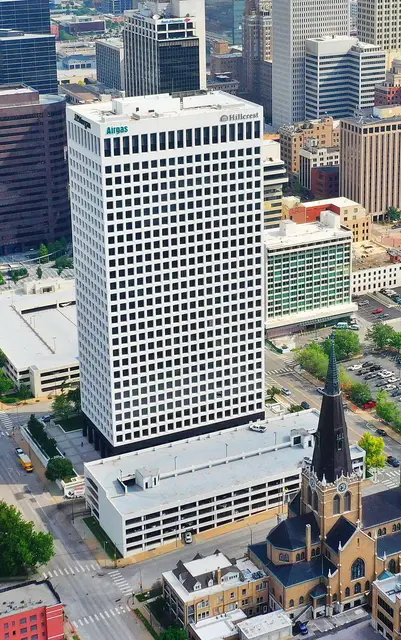
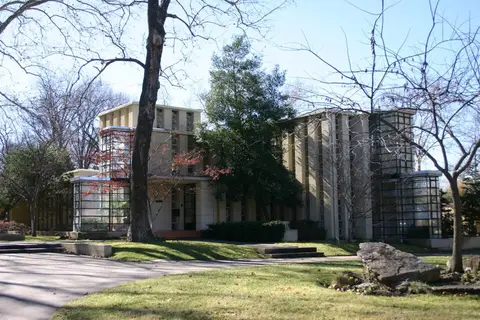
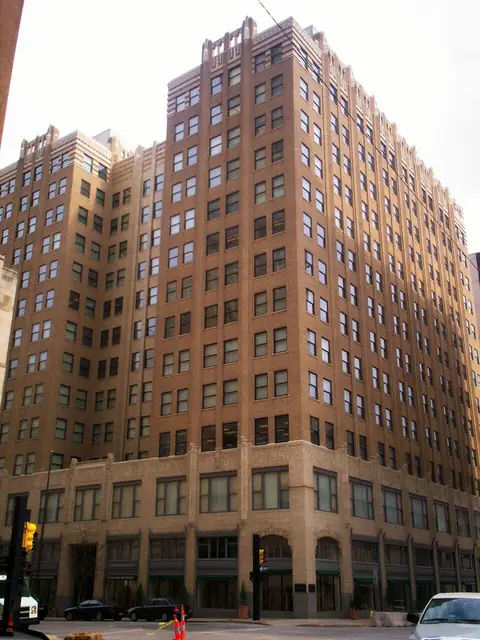
Gathering Place on the Arkansas River is considered one of the best city parks in the United States, with playgrounds, gardens, a kayak pond, and a skate park, all with free admission. In Downtown, the Philtower, Boston Avenue Methodist Church, and the Mayo Hotel are highlights of Art Deco architecture, while the Golden Driller, a 75-foot statue of an oil worker, stands at the fairgrounds. The Philbrook Museum of Art, housed in an Italian villa with gardens, is one of the region's best museums; the Gilcrease Museum, with its significant collection of art of the American West, is getting a new building, so it's worth checking the current status before you visit. The Arts District is home to the Bob Dylan Center, with the musician's archive, and the Woody Guthrie Center.
Neighborhoods and Food
In the Blue Dome District, around an old gas station with a blue dome, bars and restaurants line the streets, while the Brady Arts District, home to Cain's Ballroom, a legendary Western swing concert hall, is the nightlife area. Kendall-Whittier, near the University of Tulsa, has come to life with the restored Circle Cinema and small cafés. Route 66 runs through the city as 11th Street, lined with neon signs and diners. Restaurants in Tulsa serve barbecue, chicken fried steak, and the fried onion burger, along with Indigenous dishes such as fry bread.
Culture and Music
Tulsa has a remarkable musical history. The "Tulsa Sound" of J. J. Cale and Leon Russell blended blues, country, and rock, and at the Church Studio, once Leon Russell's studio, you can now tour the recording rooms. The Tulsa Performing Arts Center is home to opera, ballet, and theater. In the Greenwood District, plaques commemorate the businesses of Black Wall Street. The Woody Guthrie Center and the Bob Dylan Center make the Arts District a pilgrimage site for folk fans.
Getting Around, When to Go, and Day Trips
Tulsa International Airport is about 15 minutes northeast of Downtown. Tulsa Transit and the Aero rapid bus on Peoria Avenue are handy, but for day trips you'll need a car. The best times to visit are spring and fall, though in spring you should keep an eye out for tornado warnings; summer is hot. Day trips take you along Route 66 to the Blue Whale of Catoosa, to Oklahoma City, to the Woolaroc museum and wildlife preserve near Bartlesville, and to the Cherokee capital of Tahlequah.