
Utah: Red Canyons, Salt Lakes, and Powder Snow
Travel guide · editorialFew states pack so many world-class rock landscapes into so little space as Utah: stone arches, sandstone gorges, and rock spires in every shade of red. In summer, you can plan a Utah vacation as a road trip through five national parks; in winter, as a ski trip to the mountains above Salt Lake City.
Landscape: From the Great Salt Lake to the Colorado Plateau
In the north, the Wasatch Range runs through the state like a wall; at its foot lies the Wasatch Front with Salt Lake City, Ogden, and Provo, where most of the population lives. To the west stretches the Great Basin with the Great Salt Lake and the dazzling white Bonneville Salt Flats, where speed records have been set for decades. The south and east belong to the Colorado Plateau, a highland that the Colorado River and Green River have carved into deep canyons. Goblin Valley State Park, with hundreds of mushroom-shaped rock formations, shows just how bizarre the land can be, and at Dead Horse Point you look down from a cliff onto a bend in the Colorado River.
Utah Attractions: The "Mighty Five"
The five national parks are Utah's best-known destinations. In Zion National Park, you can hike through the Narrows in the bed of the Virgin River or climb the exposed Angels Landing, which now requires a permit. Bryce Canyon enchants with thousands of orange hoodoos that glow at sunrise. Near Moab you'll find Arches National Park, with more than 2,000 natural stone arches, including Delicate Arch, and the sprawling Canyonlands National Park with its Grand View viewpoint. Less crowded is Capitol Reef, with its pioneer-era orchards. Add to that Monument Valley on the Arizona border in the Navajo Nation, Scenic Byway 12 through Grand Staircase-Escalante, and Lake Powell.
Salt Lake City and Other Cities
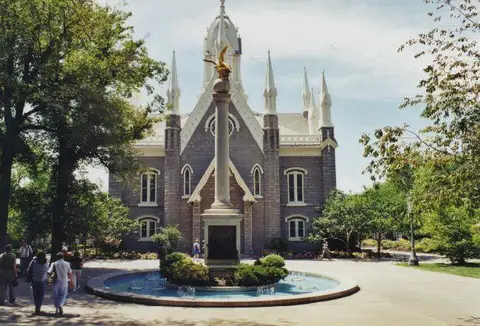
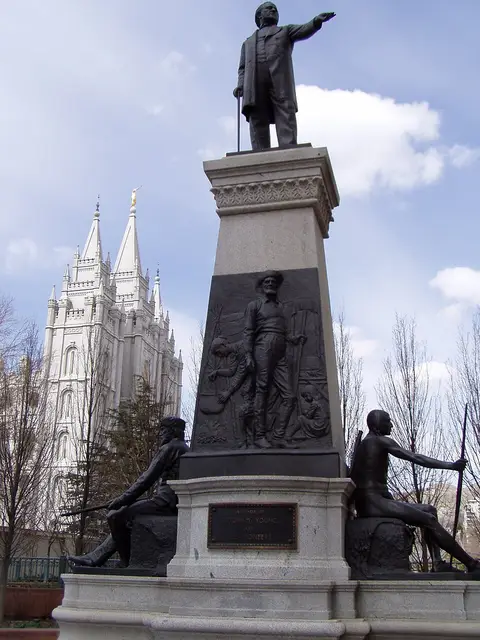
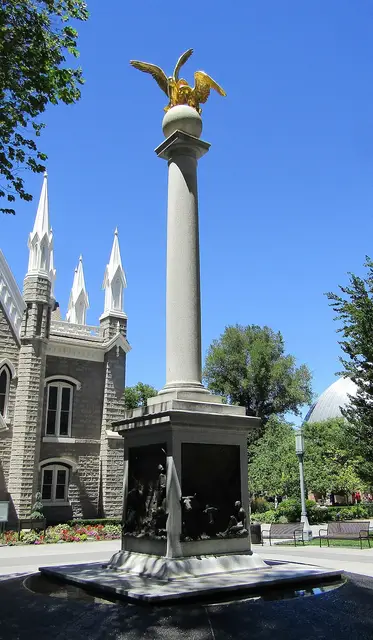
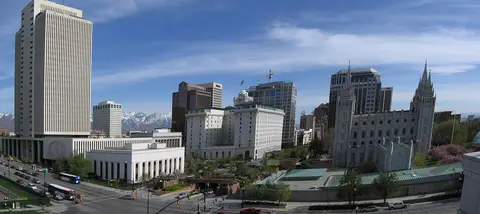
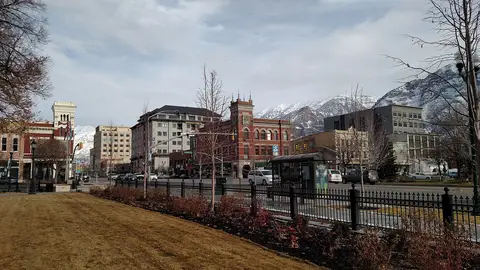
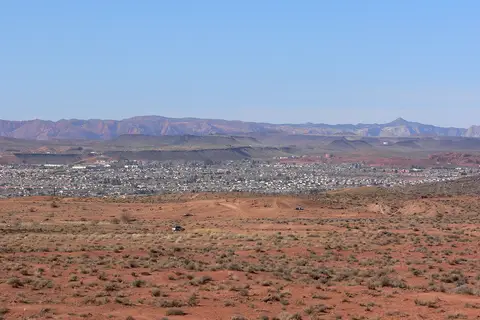
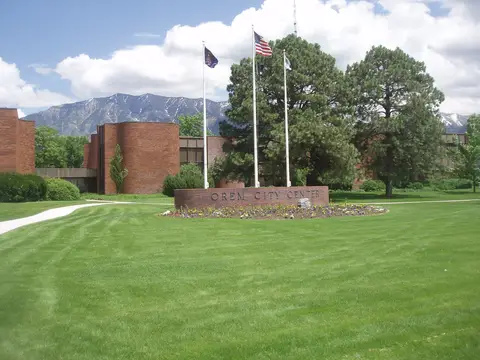
Salt Lake City was founded in 1847 by Mormons under Brigham Young. Temple Square, with its temple and tabernacle, remains the center of The Church of Jesus Christ of Latter-day Saints. The city hosted the Winter Olympics in 2002 and is slated to host them again in 2034. Around Salt Lake City lie the suburbs of West Valley City, Murray, and Sandy, from which you can reach ski areas such as Alta, Snowbird, or the resorts near Park City in half an hour. Provo and Orem live off Brigham Young University, while Ogden, with its historic 25th Street, has transformed from a railroad hub into an outdoor town. St. George, in the warm southwest, is the gateway to Zion and a popular winter retreat.
History and Culture
Long before the settlers arrived, the Ancestral Puebloans and the Fremont culture lived here, and their rock art survives in many canyons; the Ute, Paiute, Shoshone, and Navajo are still present today. At Promontory Summit in 1869, the tracks of the first transcontinental railroad met, symbolically joined by the "golden spike." Utah did not become a state until 1896. The influence of the Mormons shapes daily life and the look of the cities, for example in the grid-like street network with very wide streets. For decades, Park City hosted the Sundance Film Festival.
Food and Drink
Typical is fry sauce, a mix of ketchup and mayonnaise served with fries and burgers. "Funeral potatoes," a potato casserole with a cornflake crust, appear at family gatherings, and Jell-O is the official state snack. In the south, you'll find Navajo tacos on fry bread. Alcohol laws are stricter than elsewhere, but beer and wine are readily available in restaurants and breweries.
Getting There and Best Time to Visit
Salt Lake City International Airport is a major hub; for the south, Las Vegas is also a good option. The best time to visit the national parks is spring and fall, when temperatures are pleasant; in July and August it gets very hot in Zion and Moab, and thunderstorms can make canyons dangerous. Skiers come from December through March for the dry, light snow. If you plan to visit several parks, you'll save money with the America the Beautiful annual pass.