
Arizona: Grand Canyon, Desert, and Red Rocks
Travel guide · editorialAsk most people about Arizona and they picture the Grand Canyon first, but this Southwestern state is far more than one gorge. A vacation in Arizona takes you through the saguaro forests of the Sonoran Desert, to the red rock spires of Sedona, onto Navajo and Hopi lands, and into cities where golf courses sit side by side with adobe architecture.
From Desert Basins to High Plateaus
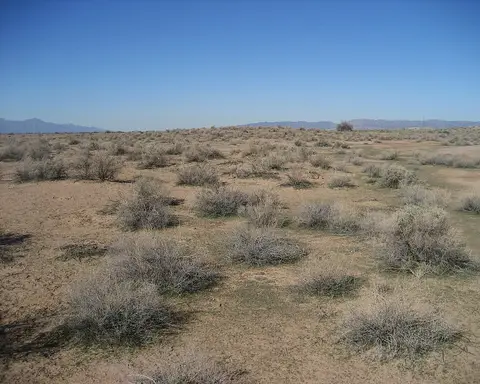
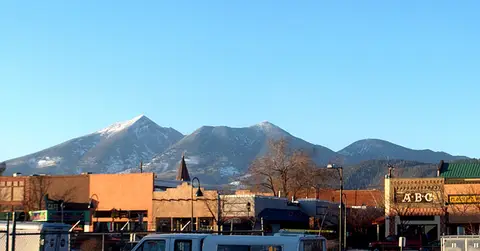
Arizona divides roughly into two landscapes. In the south lies the Sonoran Desert, home to the saguaro cactus, which can grow up to 40 feet tall and is found almost nowhere else. Heading north, the land climbs over the Mogollon Rim onto the Colorado Plateau, a high tableland at around 6,500 feet, with ponderosa pine forests around Flagstaff and the San Francisco Peaks, whose highest summit tops 12,500 feet. In between lie canyons, mesas, and buttes that glow orange, violet, or rust-red depending on the light. In winter it can snow in Flagstaff, while in Phoenix you're eating breakfast in a T-shirt.
Sights in Arizona
The Grand Canyon is about 280 miles long and nearly 6,000 feet deep in places. The South Rim is open year-round, while the higher, quieter North Rim is accessible only from roughly mid-May to mid-October. If you have time, hike a stretch down the Bright Angel Trail, but keep in mind that the climb back up usually takes twice as long. Far to the north, near Page, you'll find the much-photographed Antelope Canyon, which can only be entered with Navajo guides, and the horseshoe-shaped Horseshoe Bend. Monument Valley on the Utah border, the backdrop for countless Westerns, is part of the Navajo Nation. Farther south, the Petrified Forest with its fossilized tree trunks, Meteor Crater near Winslow, and Montezuma Castle, a cliff dwelling built by the Sinagua people, are well worth a visit.
Phoenix, Tucson, and Sedona
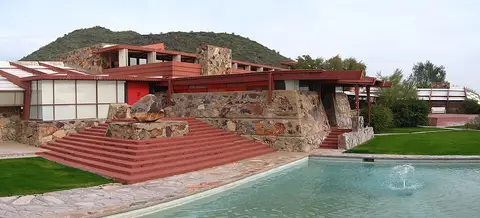
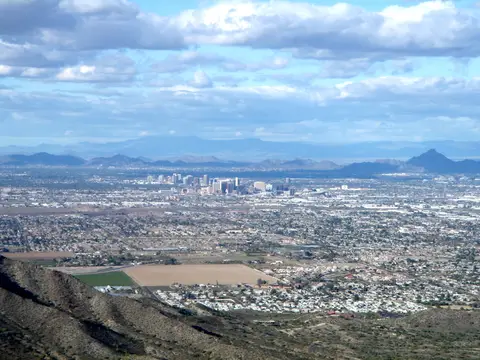
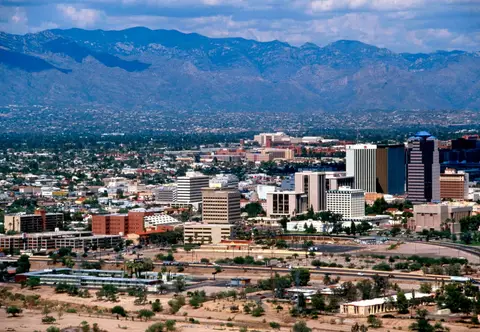
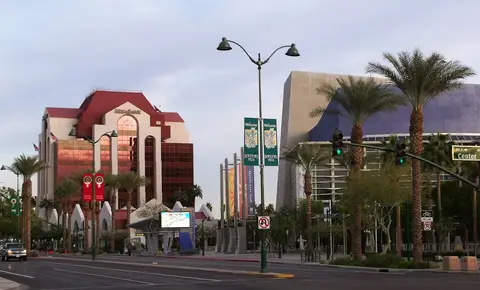
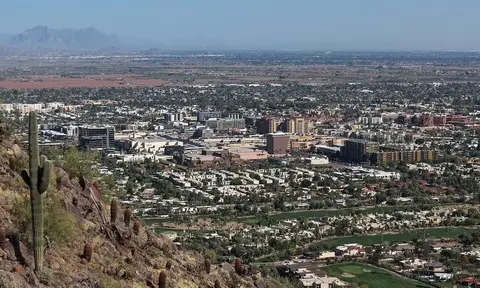
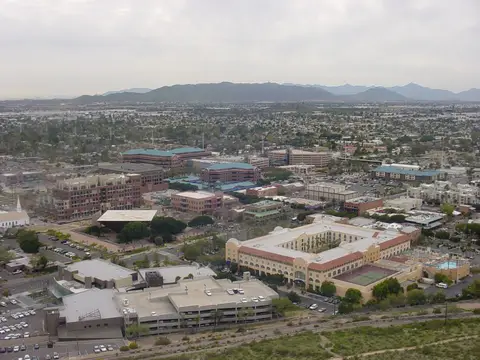
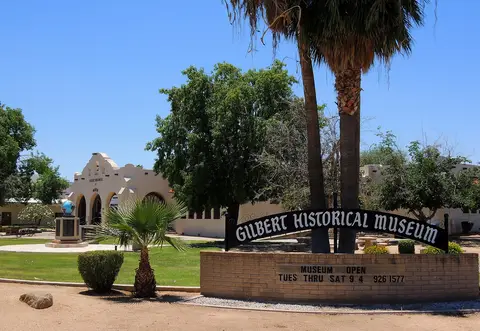
Phoenix has grown together with its neighboring cities of Mesa, Scottsdale, Tempe, Chandler, Glendale, and Gilbert into a metropolitan area of almost five million people. The Heard Museum showcases art by the Indigenous peoples of the Southwest, while the Musical Instrument Museum displays instruments from around the world. Scottsdale is known for its resorts, spas, and golf courses, as well as for Taliesin West, Frank Lloyd Wright's winter home. In Tempe, Arizona State University shapes the city's character. Tucson in the south feels more laid-back and more Mexican: the 18th-century Mission San Xavier del Bac, Saguaro National Park right outside the city, and the Arizona-Sonora Desert Museum, part zoo and part botanical garden, are the highlights. Sedona, finally, sits among red rock formations such as Cathedral Rock and Bell Rock and draws hikers, mountain bikers, and spiritual seekers alike. Not far away, the old mining town of Jerome clings to a hillside.
Culture and History
Long before the Spanish arrived in the 16th century, the Hohokam built irrigation canals in the Salt River Valley, some of whose routes modern canals in Phoenix still follow. Today, Arizona is home to more than 20 federally recognized tribes, and the Navajo Nation is the largest reservation in the U.S. Until 1848 the region belonged to Mexico, and part of the south was added only in 1853 with the Gadsden Purchase. Arizona wasn't admitted as the 48th state until 1912. Tombstone keeps Wild West legends alive; the Gunfight at the O.K. Corral took place there in 1881. One oddity: Arizona doesn't switch to daylight saving time, though the Navajo Nation does.
Food and Drink
The cuisine is strongly influenced by Mexico. Tucson holds the UNESCO title "City of Gastronomy" and is known for the Sonoran hot dog, wrapped in bacon and topped with beans and salsa, as well as the chimichanga, which is said to have been invented here. On Navajo land you'll find fry bread and Navajo tacos, and Phoenix has a lively scene of breweries and wineries, with the grapes grown in the highlands around Willcox and in the Verde Valley.
Best Time to Visit and Getting There
The best time to visit the desert regions is spring and fall. In summer, temperatures in Phoenix regularly exceed 113°F, and the Grand Canyon and Flagstaff are more pleasant then. From July to September, the monsoon brings violent thunderstorms and flash floods in the canyons. Phoenix Sky Harbor Airport (PHX) is the main hub, supplemented by Tucson (TUS) and Flagstaff (FLG). You'll hardly get anywhere without a rental car; the classic route connects Phoenix, Sedona, Flagstaff, the Grand Canyon, and Page, with a side trip to Monument Valley or onward to Las Vegas and Utah.