






Discover Phoenix: Desert, Saguaros, and Sunshine
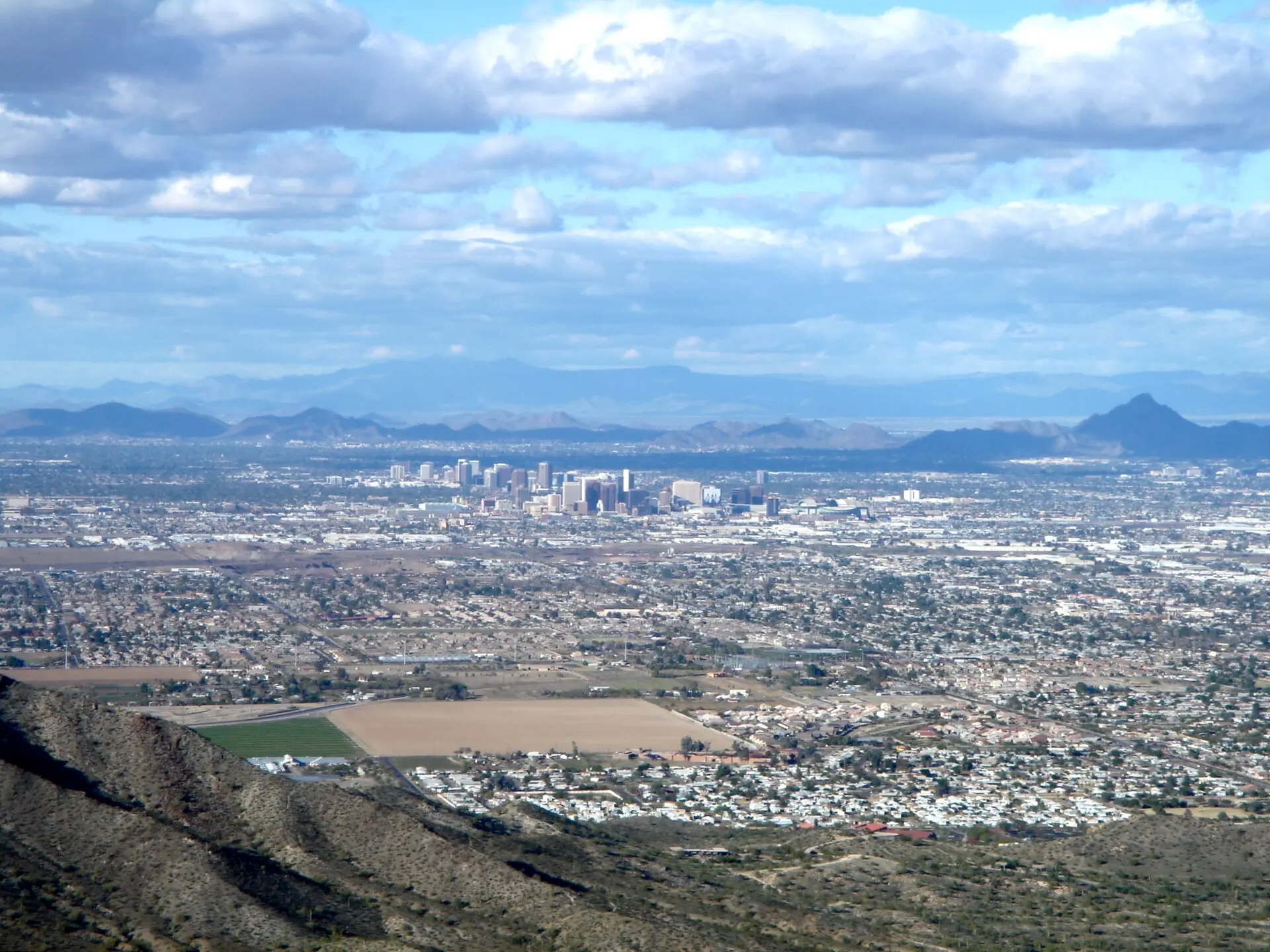
Travel guide · editorialStand on the summit of Camelback Mountain in January, and you'll look out in sunshine and 68-degree weather over a sea of flat rooftops, palm trees, and cacti all the way to the mountain ranges of the Sonoran Desert. A trip to Phoenix is above all a winter escape: hiking trails in the middle of the city, resorts with golf courses, and a surprisingly rich Native American culture. A vacation in Phoenix also combines perfectly with visits to the Grand Canyon and Sedona.
Rising from the Ashes of the Hohokam
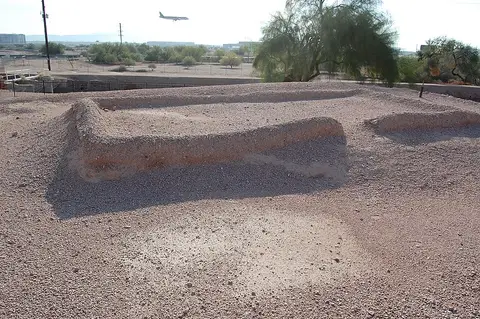
Long before Phoenix existed, the Hohokam built a sophisticated network of irrigation canals in the Salt River Valley, until they disappeared around 1450. When American settlers reused the old canals in the 19th century, they named the new settlement after the mythical bird that rises from the ashes. Arizona became a state in 1912, with Phoenix as its capital. With air conditioning, dams, and the Central Arizona Project, which brings in water from the Colorado River, the city grew explosively after 1945. Today it is the fifth-largest city in the US and the center of a metropolitan area that includes Scottsdale, Tempe, and Mesa.
Sights in Phoenix
The Desert Botanical Garden in Papago Park shows thousands of cactus species along its loop trails, especially beautiful when the plants bloom in spring and during the evening light installations in winter. Right next door are the red sandstone buttes of Papago Park with the Hole-in-the-Rock. Hikers are drawn to Camelback Mountain in the Camelback East district or to Piestewa Peak in the North Mountain area; both climbs are steep and strenuous. South Mountain Park is one of the largest city parks in the US, with Hohokam rock art. In the Deer Valley district, the Hedgpeth Hills Petroglyph Site preserves thousands of rock carvings. In Encanto, the park of the same name with its lagoon invites you to take a break, while the historic neighborhoods around Encanto-Palmcroft showcase Spanish Colonial Revival homes from the 1920s.
Museums and Culture
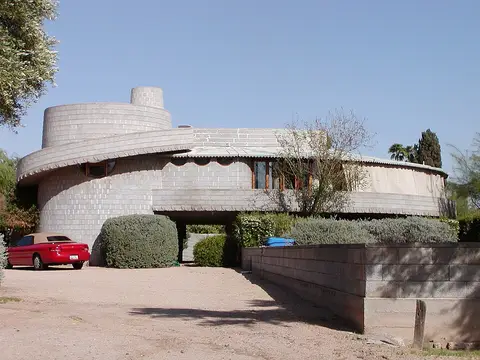
The Heard Museum is one of the most important museums for the art and culture of Native Americans, with Hopi kachina figures, Navajo rugs, and contemporary art. The Musical Instrument Museum in the north presents instruments from nearly every country in the world, each with headphones so you can listen in. The Phoenix Art Museum shows art from the Renaissance to the present, including Yayoi Kusama's mirror room. In Central City around Roosevelt Row you'll find galleries and murals, and on the first Friday of the month the First Friday Art Walk draws crowds. Architecture fans head to Scottsdale to see Taliesin West, Frank Lloyd Wright's winter home.
Food and Nightlife
The cuisine of the Sonoran Desert is closely tied to Mexico: Sonoran hot dogs, wrapped in bacon and topped with beans, onions, and salsa; carne asada; machaca; and chimichangas, which Arizona claims as its own invention. Navajo fry bread, a deep-fried flatbread, comes sweet or savory. Restaurants in Phoenix are spread across many hubs: downtown, the Alhambra district with eateries along Camelback Road, and nearby Scottsdale with its bar and club scene. In the west, for example in Maryvale, you'll find many authentic Mexican family-run restaurants. Sunsets with a margarita on a patio are a firmly established ritual.
Golf, Spas, and Sports
Well over a hundred golf courses lie around Phoenix and neighboring Scottsdale, many with views of cacti and mountains, along with luxurious wellness resorts that draw guests from across the country in winter. In February and March, about half of the Major League Baseball teams hold spring training in the region; games in small stadiums are affordable and family-friendly. The Phoenix Open golf tournament is considered the rowdiest in the world.
Getting Around, When to Go, and Day Trips
Phoenix Sky Harbor Airport is only a few miles east of downtown, and the free PHX Sky Train connects the terminals with the Valley Metro Rail light rail, which runs to Tempe and Mesa. Because of the long distances, though, a rental car is almost indispensable. The best time to visit is between October and April. From June to September, temperatures regularly climb above 104°F, hiking is advisable only in the early morning hours, and from July to September the monsoon occasionally brings violent thunderstorms. Day trips lead to Sedona with its red rocks, a good two hours' drive north, to the Grand Canyon in about three and a half hours, to Tucson, or to the Superstition Mountains with the Apache Trail.