


Discover Tucson: Saguaros, Missions, and Sonoran Cuisine
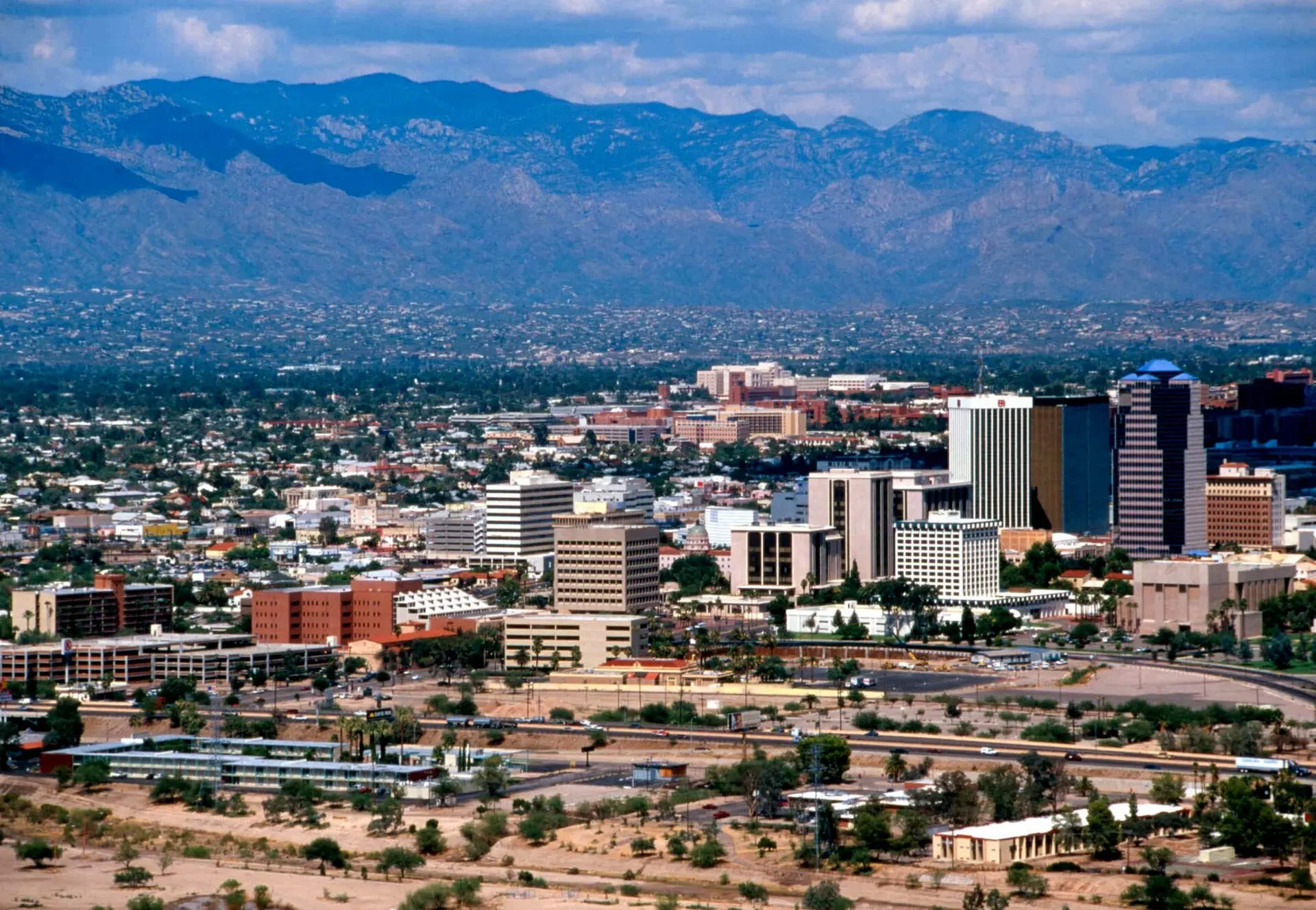
Travel guide · editorialGiant saguaro cacti with raised arms line the roads on the edge of town, and in the evening the mountains glow red and violet – Tucson sits in the heart of the Sonoran Desert. A trip to Tucson combines desert nature with one of the oldest urban histories in the U.S., a lively university scene, and cuisine with strong Mexican roots. For a winter vacation in Arizona, this laid-back city is a wonderful alternative to Phoenix.
Four Thousand Years of History
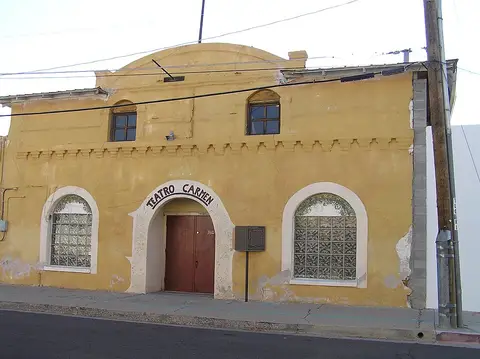
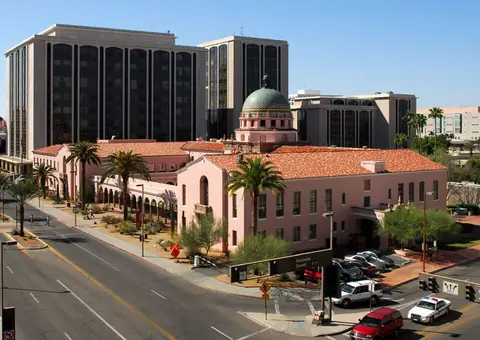
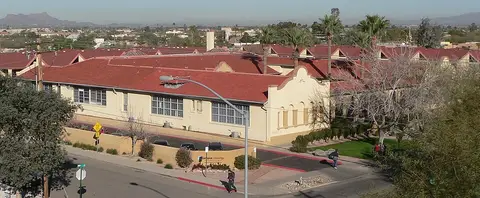
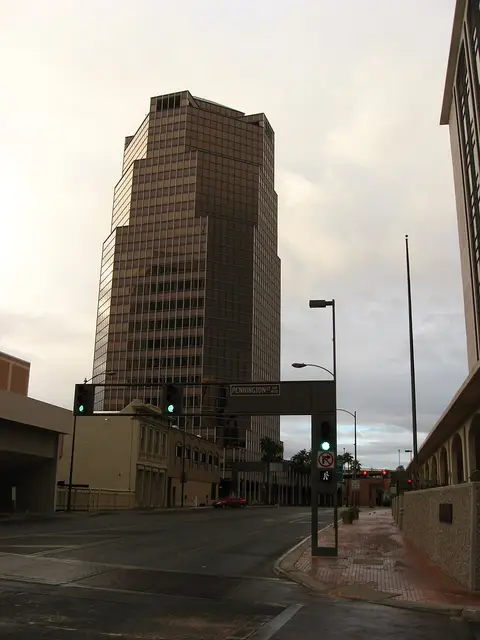
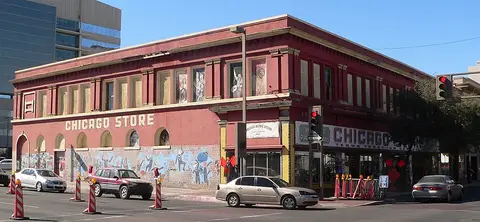
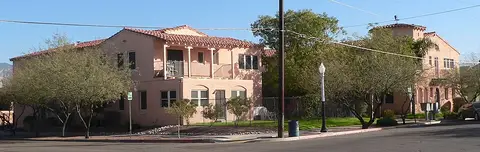
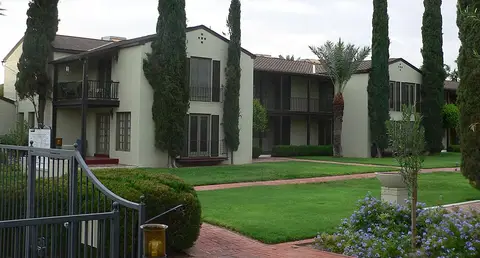
The Santa Cruz River Valley is one of the longest continuously inhabited places in North America, and the Tohono O'odham still live in the region today. In 1775, the Spanish founded the Presidio San Agustín del Tucsón, a reconstruction of which you can visit in downtown. The region only became part of the U.S. in 1854 through the Gadsden Purchase. Barrio Viejo preserves adobe houses in pastel colors, while the neighboring Armory Park neighborhood has Victorian buildings from the railroad era of the late 19th century. Today, the University of Arizona, astronomy, and Davis-Monthan Air Force Base shape the city.
Tucson Attractions
Saguaro National Park surrounds the city with two sections to the east and west, with scenic drives and hiking trails leading through forests of cacti. The Arizona-Sonora Desert Museum is a mix of zoo, botanical garden, and natural history museum, with coyotes, mountain lions, and hummingbirds. South of the city, the white Mission San Xavier del Bac, the "White Dove of the Desert," shines as one of the most beautiful buildings of the Spanish colonial era in the U.S. The Pima Air & Space Museum displays hundreds of aircraft, and right next door lies the Air Force's enormous aircraft boneyard. Sabino Canyon in the Santa Catalina Mountains invites you to hike along pools of water.
Neighborhoods, Culture, and Food in Tucson
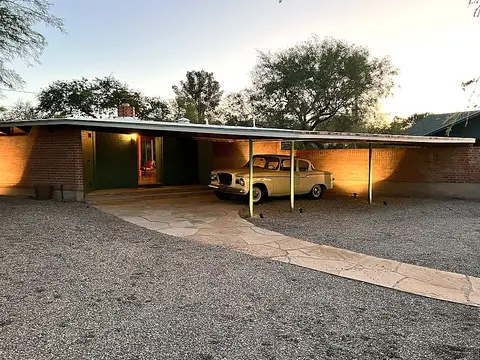
Around the university you'll find the West University neighborhood with its bungalows and Fourth Avenue, packed with bars and secondhand shops; Sam Hughes with its quiet streets; and Pie Allen and Campus Farm. West of the river lies Menlo Park at the foot of Sentinel Peak, known as "A Mountain" for the big letter on its slope. The Sun Link Streetcar connects these areas with downtown and the Mercado San Agustín. The Arizona State Museum, the Center for Creative Photography with works by Ansel Adams, and the Tucson Museum of Art provide culture. In February, the Gem, Mineral & Fossil Showcase turns the city into the largest gem market in the world.
In 2015, Tucson became the first city in the U.S. to be named a UNESCO City of Gastronomy. Restaurants in Tucson showcase Sonoran cuisine: carne seca (air-dried beef), huge wheat tortillas, chimichangas, and the Sonoran hot dog wrapped in bacon and topped with beans and salsa. Mesquite flour, cactus fruit, and tepary beans from Indigenous traditions turn up in creative dishes. South 12th Avenue is lined with taquerías and food trucks.
Getting Around, When to Go, and Day Trips
Tucson International Airport is about 15 minutes south of downtown, and a rental car is essential for the national park and surrounding area. The best time to visit is between October and April; in summer temperatures often top 100°F (40°C), and from July to September the monsoon brings dramatic thunderstorms. Day trips lead to Mount Lemmon, with pine forests at over 8,800 feet (2,700 meters), to the observatory at Kitt Peak, to the Western town of Tombstone, and to the caves in Kartchner Caverns State Park.