Discover El Paso: Borderland, Mountains and Chile
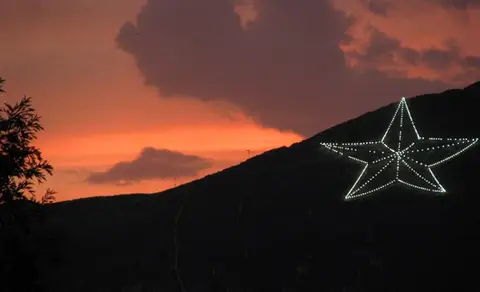
Travel guide · editorialFrom Scenic Drive on the slopes of the Franklin Mountains, you can watch two seas of lights merge into one at night: El Paso, Texas, and Ciudad Juárez, Mexico, separated only by the Rio Grande. A trip to El Paso takes you to a border city with Spanish missions, desert mountains and some of the most authentic Mexican food in the U.S. For a vacation in the far west of Texas, this sunny city is an exciting destination off the beaten path.
The Pass of the North
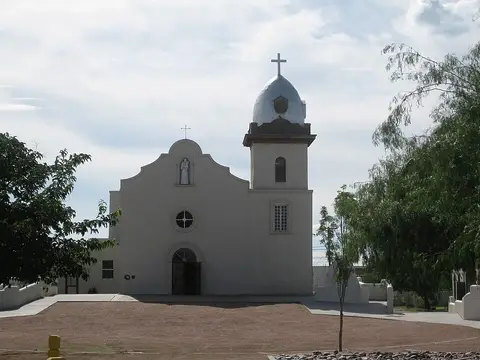
In 1581 and 1598, Spanish expeditions traveled through the pass between the mountains, which they called "El Paso del Norte." This was the route of the Camino Real de Tierra Adentro, the royal road from Mexico City to Santa Fe. After the Pueblo Revolt of 1680, Spaniards and Tigua Indians fled south and founded the Ysleta and Socorro missions, which are among the oldest churches in Texas. With the Treaty of Guadalupe Hidalgo in 1848, the Rio Grande became the border; the settlement on the north bank grew with the arrival of the railroad and became notorious in the late 19th century for gunslingers such as John Wesley Hardin. Today, El Paso and its sister city Juárez form one of the largest binational metropolitan areas in the world, with a major military base at Fort Bliss.
Things to See in El Paso
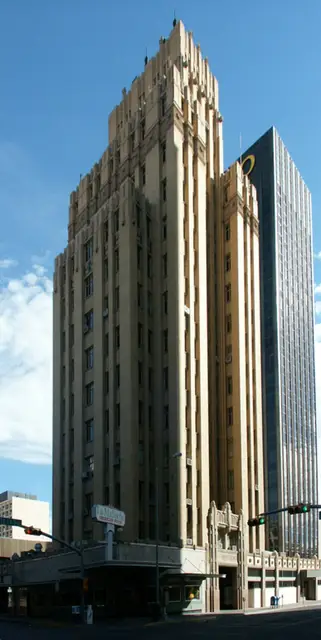
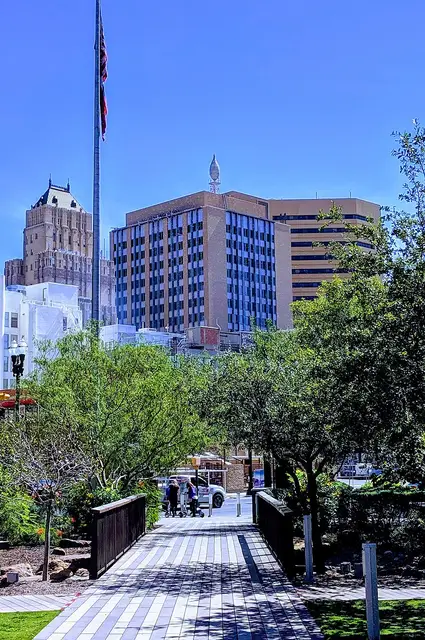
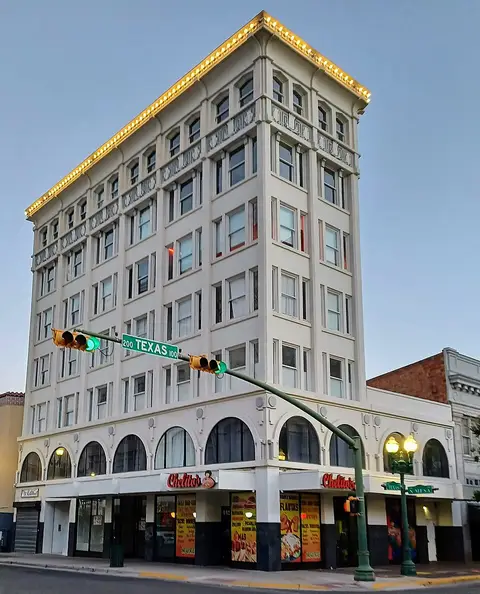
The Franklin Mountains, a state park in their own right within the city limits, offer hiking trails, mountain biking routes and climbing opportunities. By car, Scenic Drive leads to a viewpoint above the city. The Mission Trail in the southeast connects the Ysleta Mission, the Socorro Mission and the San Elizario chapel with its whitewashed adobe walls. Downtown, you'll find San Jacinto Plaza with its alligator sculptures, a tribute to the animals that once lived here in a pond, the Plaza Theatre in Spanish Colonial style and Union Depot. Hueco Tanks State Park east of the city is world-famous among boulderers and preserves rock paintings by Native peoples.
Museums and Culture
The El Paso Museum of Art, which offers free admission, holds a significant collection of European and Mexican art. The El Paso Holocaust Museum and the National Border Patrol Museum explore unusual topics, while the Centennial Museum at the University of Texas at El Paso is devoted to the desert region. UTEP itself stands out for its architecture in the style of the Kingdom of Bhutan. At the Healing Garden memorial in Ascarate Park, visitors remember the victims of the racially motivated attack of 2019. The Five Points neighborhood and Sunset Heights, with its Victorian houses, reveal the city's older history.
Eating in El Paso
The restaurants in El Paso showcase a cuisine all their own, somewhere between Texas, New Mexico and Chihuahua. Typical dishes include enchiladas montadas, stacked rather than rolled and topped with a fried egg, chile con queso, carne asada and Juárez-style burritos with just a single filling. Green and red chiles from nearby Hatch Valley in New Mexico season almost everything. In family-run places in the Five Points neighborhood and in the northeast around Marty Robbins North and Stonehaven, you'll find traditional Mexican breakfast dishes; in the west near Las Palmas and Normandy Park, steakhouses and breweries. In the evening, locals gather in the bars of Downtown and the Cincinnati Entertainment District.
A Border City with Two Faces
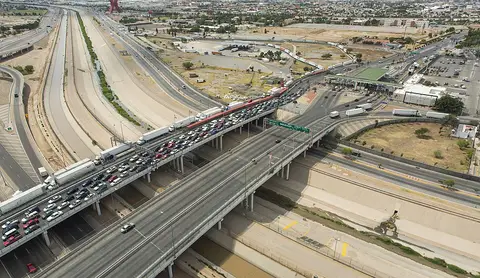
Life in El Paso is closely intertwined with Ciudad Juárez: many families have relatives on both sides, and tens of thousands of people commute across the bridges every day. You'll hear Spanish everywhere, and festivals such as Día de los Muertos are celebrated in a big way. If you're considering a side trip to Mexico, check the latest travel advisories and bring valid documents; most visitors stay on the Texas side and enjoy the view of the neighboring city from there.
Getting Around, When to Go and Day Trips
El Paso International Airport is just ten minutes northeast of Downtown, near the Planeport business district. A modern streetcar runs through Downtown and out to the university; otherwise, a car is practical. The desert city gets around 300 days of sunshine a year, and the best time to visit is between October and April, when daytime temperatures are pleasantly warm; summers get very hot. Day trips lead to the white gypsum dunes of White Sands National Park in New Mexico, to Carlsbad Caverns and to Guadalupe Mountains National Park, home to the highest peak in Texas.