Discover Honolulu: Waikiki, Pearl Harbor, and Poke
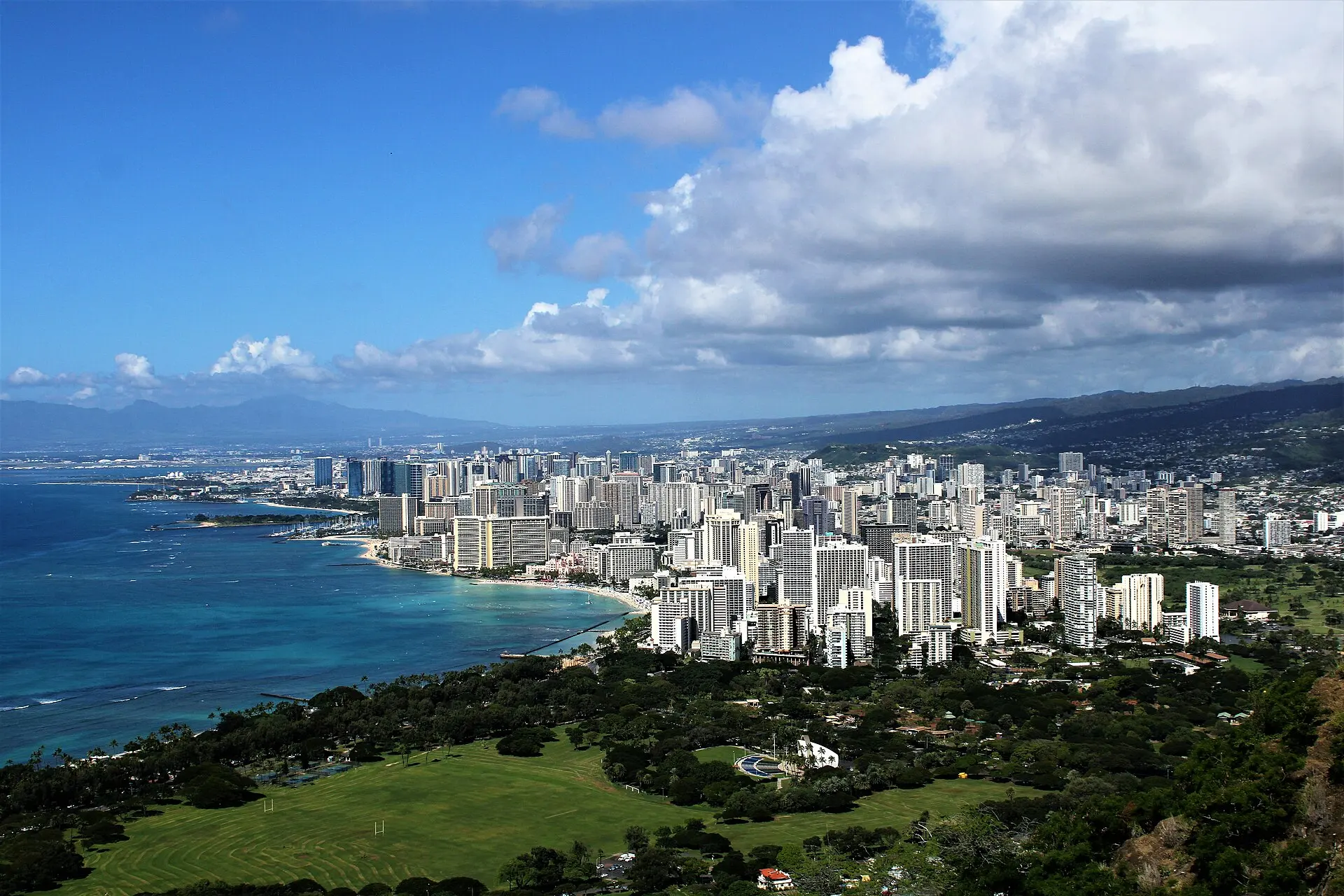
Travel guide · editorialSurfers paddle into the waves off the Diamond Head volcanic crater while the sun sinks into the Pacific at Waikiki Beach – for many, Honolulu is the very picture of a South Seas dream. A trip to Honolulu combines a beach vacation with history, from the only royal palace on U.S. soil to Pearl Harbor. For a vacation on Oʻahu, Hawaii's capital is the ideal home base.
Kingdom, Plantations, and Pearl Harbor
Polynesian seafarers settled the islands around a thousand years ago. In 1795, King Kamehameha I united Oʻahu with the other islands, and Honolulu, meaning "sheltered bay," became a port for whalers and merchants. American sugar barons brought workers from China, Japan, the Philippines, Portugal, and Korea to the plantations and shaped the diverse population that still defines Hawaii today. In 1893, American businessmen overthrew Queen Liliʻuokalani, in 1898 the United States annexed the islands, and in 1959 Hawaii became the 50th state. The Japanese attack on Pearl Harbor on December 7, 1941, drew the United States into World War II.
Sights in Honolulu
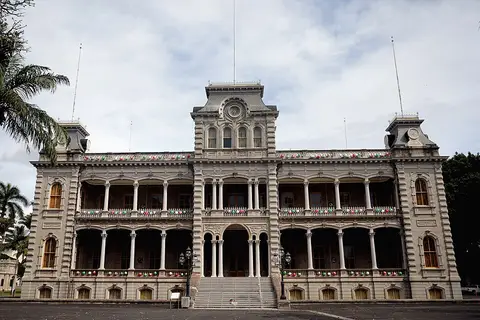
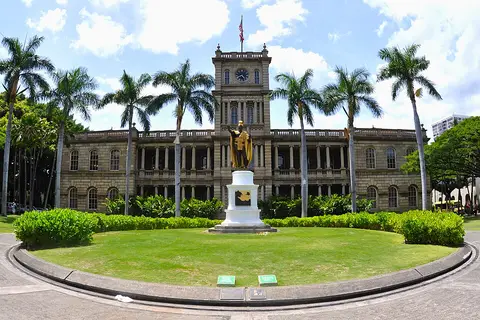
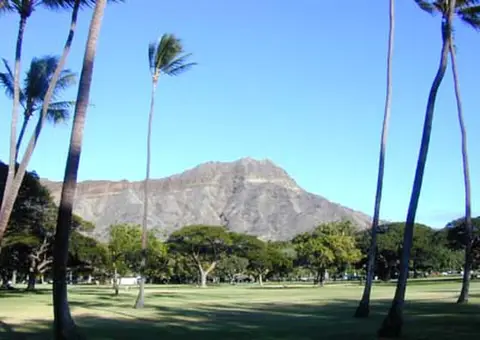
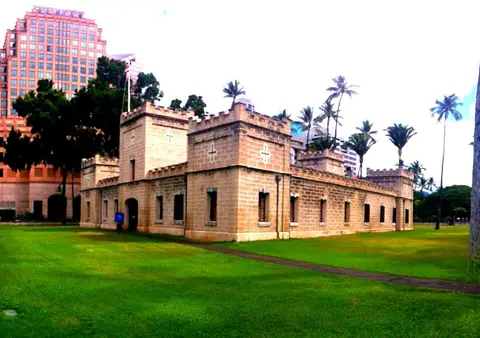
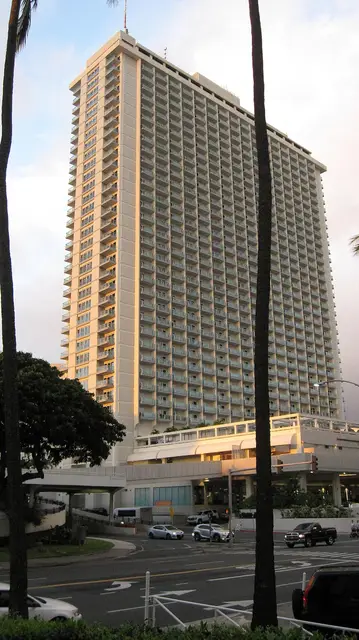
Waikiki, with its long sandy beach, surf schools, and hotels, is the tourist center; the statue of surfing pioneer Duke Kahanamoku honors the man who made the sport world famous. A hiking trail leads to the rim of Diamond Head, an extinct tuff crater, with views over the coast – you should reserve tickets in advance. The Pearl Harbor National Memorial includes the USS Arizona Memorial above the sunken battleship, the battleship USS Missouri, on which Japan surrendered in 1945, and a submarine museum. Downtown is home to ʻIolani Palace, the residence of Hawaii's last monarchs, with the golden statue of Kamehameha I across the street. A trip to Hanauma Bay in the east, a nature preserve for snorkeling in a volcanic crater, is a highlight; kayak and boat tours depart from nearby Hawaii Kai.
Museums, Culture, and Neighborhoods
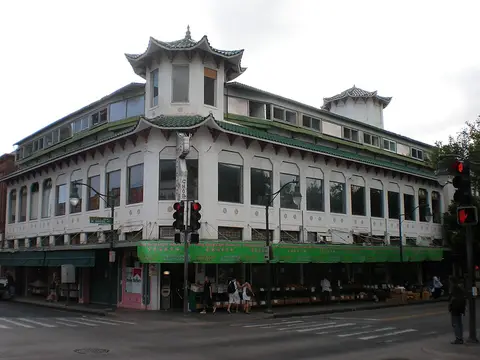
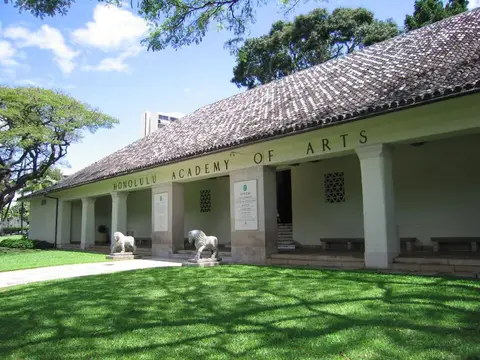
The Bishop Museum is considered the foremost museum of Polynesian culture and natural history, with the kings' feather cloaks and a planetarium. The Honolulu Museum of Art shows Asian and Hawaiian art in a building with courtyards. Chinatown, one of the oldest neighborhoods, draws visitors with markets, lei stands, galleries, and bars. Kakaʻako, between Downtown and Waikiki, is a young neighborhood with large-scale murals, breweries, and food trucks. The upscale Waialae-Kahala behind Diamond Head offers quiet beaches and elegant villas. Hula performances, ukulele music, and the "Aloha Friday" tradition of wearing colorful shirts are part of everyday life.
Eating in Honolulu
Hawaiian cuisine reflects the islands' immigration history. Poke, raw marinated tuna or octopus with soy sauce, sesame, and seaweed, is available fresh at fish shops and supermarkets. The plate lunch, with two scoops of rice, macaroni salad, and meat such as kalua pig or teriyaki chicken, is the island's midday meal, and Spam musubi is a popular snack. Shave ice with colorful syrups cools you down on hot days, and malasadas, Portuguese doughnuts, are a sweet temptation. Restaurants in Honolulu range from food trucks to Hawaii Regional Cuisine, which combines local ingredients with Asian techniques. In the evening, you can sip a mai tai at a beach bar.
Aloha Culture and Festivals
Hawaiian traditions are kept vibrantly alive in Honolulu. On June 11, the islands celebrate King Kamehameha Day with parades and flower leis draped on the king's statue, and in September the Aloha Festival follows with hula and music. Free hula performances take place in the evening on Waikiki Beach, and in classes you can learn to make leis or play the ukulele. If you want to travel respectfully, pay attention to sacred sites, reef protection, and the advice of locals.
Getting Around, When to Go, and Day Trips
Daniel K. Inouye International Airport is about 9 miles west of Waikiki. TheBus is an affordable, well-developed bus network covering the whole island, and the new Skyline light rail is gradually connecting the west side with downtown. A rental car is handy for the North Shore. Honolulu has a warm climate year-round, with temperatures of 77 to 86 degrees Fahrenheit; the best times to visit are spring and fall, when there are fewer tourists. In winter, the North Shore gets huge waves for professional surfers, and humpback whales pass by. Day trips lead to the North Shore with Haleʻiwa and Waimea Bay, along the hiking trail to Makapuʻu Lighthouse, to Kualoa Ranch with its movie sets, and to Kailua with its turquoise bays.