Montana: Glaciers, Bison, and Big Sky
Travel guide · editorialMontana is nicknamed "Big Sky Country," and beneath that sky there's room for grizzly bears, glacial lakes, and ranches larger than some European small towns. A vacation in Montana pairs two of North America's most impressive national parks with Western culture and trout rivers made famous by literature and film.
Landscape and Location
Montana is the fourth-largest state in the U.S. but has only a little over one million residents. The Rocky Mountains dominate the western third, with more than a hundred mountain ranges, dense conifer forests, and clear rivers such as the Flathead, Clark Fork, Gallatin, and Madison. To the east, the land opens onto the Great Plains, a vast expanse of prairie, wheat fields, and badlands through which the Missouri and Yellowstone Rivers flow. The Continental Divide crosses the state, so raindrops here end up in either the Pacific Ocean or the Gulf of Mexico.
Sights in Montana
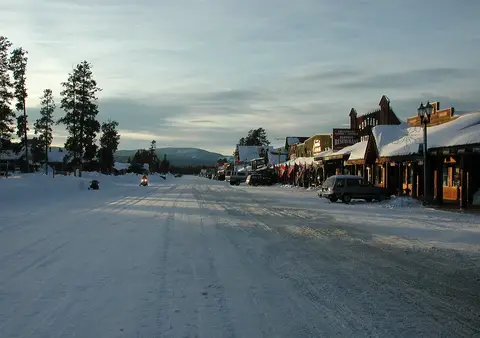
Glacier National Park on the Canadian border ranks among the most beautiful national parks in the world. The Going-to-the-Sun Road winds past waterfalls and steep slopes up to Logan Pass; in summer, a timed-entry reservation is usually required. Lakes such as Lake McDonald and the Many Glacier area offer hikes with chances to spot mountain goats and grizzlies. In the south, Montana is a gateway to Yellowstone National Park: Gardiner sits at the historic north entrance, West Yellowstone at the west entrance, and the spectacular Beartooth Highway climbs over a pass of more than 10,900 feet to Cooke City. In the east, Little Bighorn Battlefield National Monument commemorates the 1876 battle in which the Lakota, Cheyenne, and Arapaho defeated the troops of George A. Custer. Flathead Lake is the largest natural freshwater lake west of the Mississippi in the contiguous U.S.
Cities: From Billings to Whitefish
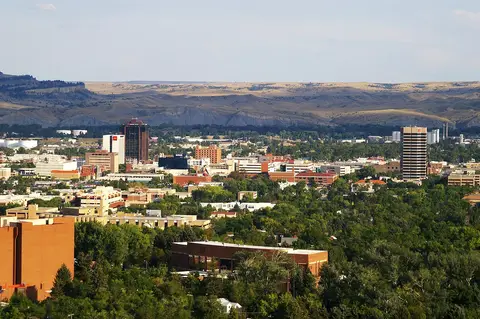
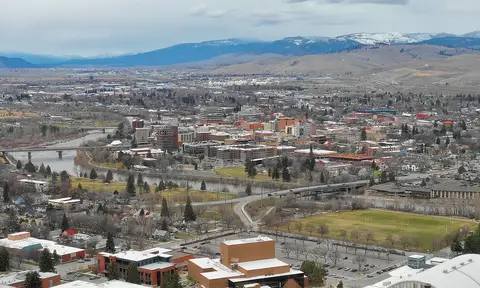
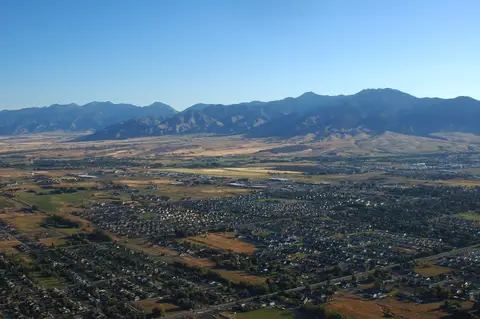
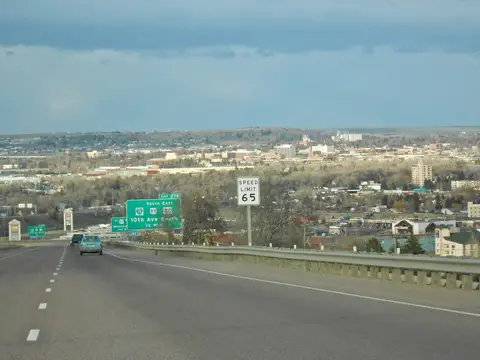
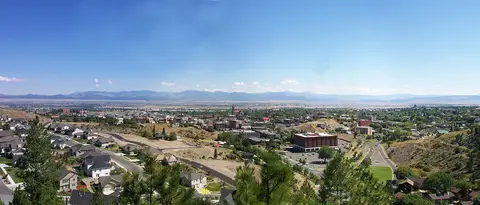
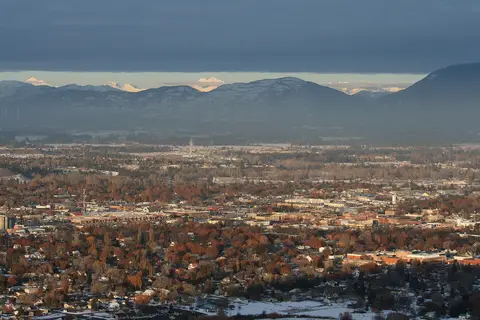
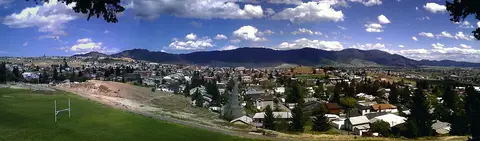
Billings, the largest city, lies beneath sandstone cliffs on the Yellowstone River and is the economic hub of the east. Missoula is a laid-back college town where you can surf on the Clark Fork right in the city center; Norman Maclean's "A River Runs Through It" is set in the surrounding area. Bozeman has grown rapidly; visitors come for the Museum of the Rockies, home to one of the most important dinosaur collections, and for its proximity to the Big Sky ski resort. Helena, the state capital, grew out of a gold rush camp, and its main street is still called Last Chance Gulch. Butte was once the center of copper mining; the huge open-pit Berkeley Pit, filled with acidic water, has become an attraction. Great Falls has a Lewis and Clark interpretive center on the Missouri, and Kalispell and Whitefish are gateways to Glacier National Park.
History and Culture
The Crow, Blackfeet, Salish, Cheyenne, and other peoples still live in Montana, which includes seven Indian reservations. Lewis and Clark crossed the region in 1805 and 1806. In the 19th century, gold and copper discoveries brought miners, and cattle drives brought cowboys; Montana became a state in 1889. Rodeos, powwows, and small Western bars are part of the summer, such as at Crow Fair in August, one of the largest powwows in North America.
Food and Drink
Bison burgers and steaks from grass-fed beef are on almost every menu. Wild huckleberries are turned into ice cream, lemonade, and jam. In Butte, pasties, pastry pockets filled with meat and potatoes, recall the miners from Cornwall, and at local fairs the brave try "Rocky Mountain oysters," deep-fried bull testicles. A growing scene of small breweries and distilleries rounds things out. On Flathead Lake in July, roadside stands sell dark sweet cherries that are considered especially flavorful.
Getting There and Best Time to Visit
The main airports are Bozeman, Billings, Missoula, and Glacier Park International (FCA) near Kalispell, with connections via Denver, Salt Lake City, or Seattle. Amtrak's Empire Builder runs along the southern edge of Glacier National Park. The Going-to-the-Sun Road is usually not open all the way through until late June or July, so the best time to visit is July through September. Winter is long and cold but offers excellent ski areas such as Big Sky and Whitefish Mountain. In Glacier and around Yellowstone, bear spray is essential gear on every hike.