Discover Columbus: Short North, Markets, and Buckeyes
Travel guide · editorialColumbus, Ohio, is often underrated – yet the state capital is one of the youngest, liveliest big cities in the Midwest. A trip to Columbus takes you to a German brick-built neighborhood, along a mile of galleries lined with glowing arches, and into a huge university town that turns scarlet and gray on football weekends. For a city break with good food and a relaxed atmosphere, it's a pleasant surprise.
A Capital Out of Nothing
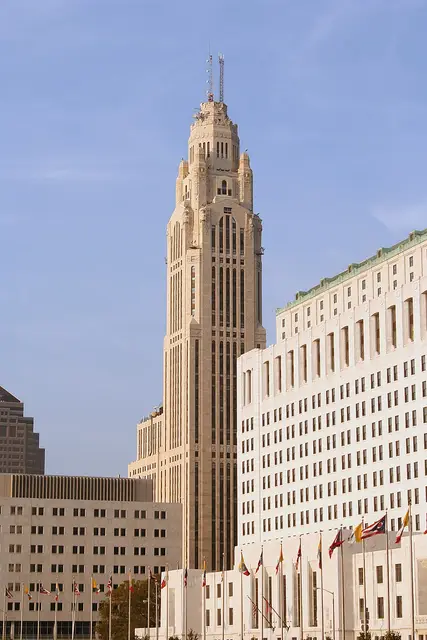
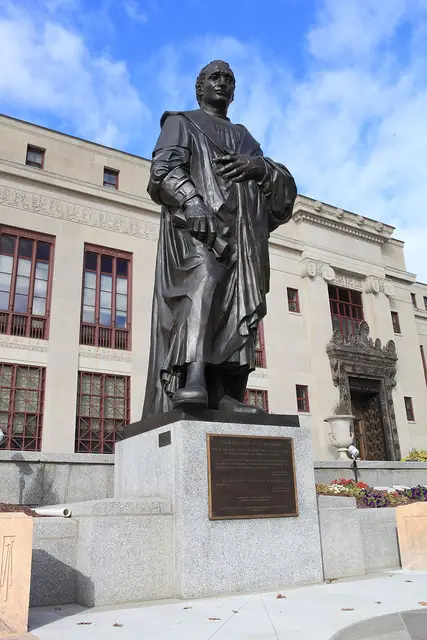
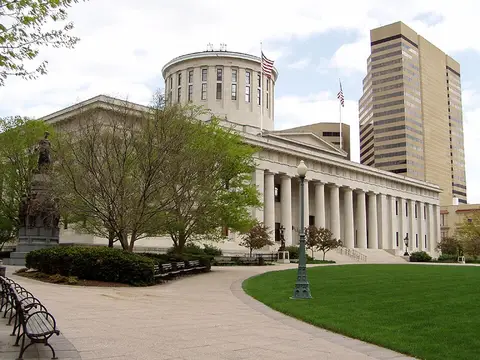
In 1812, the Ohio legislature decided to build the new capital on the banks of the Scioto River, across from the settlement of Franklinton, and named it after Christopher Columbus. The Greek Revival-style Ohio Statehouse was completed in 1861. In the 19th century, many German immigrants settled in the south of the city, which still gives German Village its character today. The Ohio State University was founded in 1870 and is now one of the largest universities in the United States. Columbus grew steadily through annexation and is now Ohio's largest city, home to insurance companies, fashion and retail corporations, and a growing tech scene. A large chip plant in nearby New Albany is expected to transform the region even further.
Sights in Columbus
German Village, just south of Downtown, delights with cobblestone streets, brick houses, and gardens; in the labyrinth of the Book Loft, a bookstore with more than 30 rooms, you can easily spend hours. Along the riverfront runs the Scioto Mile, a park with fountains and bike paths, complemented by Bicentennial Park. The Franklin Park Conservatory shows plants from around the world and glass art by Dale Chihuly. The Columbus Zoo in the north is considered one of the best in the U.S., shaped by longtime director Jack Hanna. You can join free tours at the Statehouse, and in the fall, an Ohio State Buckeyes football game in the enormous Ohio Stadium is an experience with more than 100,000 fans.
Neighborhoods and Culture
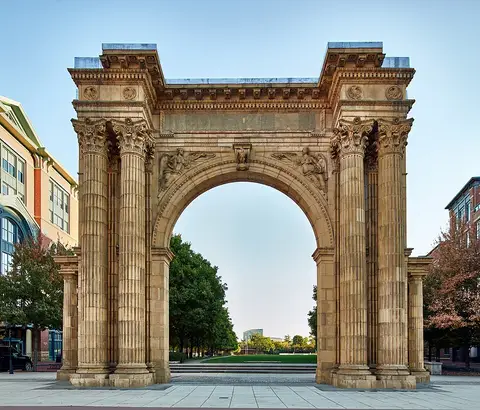
The Short North Arts District north of Downtown is the city's mile of galleries and restaurants; illuminated arches span High Street, and the Gallery Hop takes place on the first Saturday of every month. In the university area around Weinland Park, Indianola Terrace, and Tuttle Park, students and families live in old wooden houses, with cafés and pubs within walking distance. The Park Street District on the edge of the Short North is a nightlife area with bars and clubs. In the north and east, for example in Forest Park, Eastland, and Crosswoods, you'll find residential areas with shopping centers and international restaurants. Culturally, the Columbus Museum of Art, the Wexner Center for the Arts on campus with its avant-garde architecture by Peter Eisenman, and COSI, a large science museum, offer plenty of variety.
Eating in Columbus
Columbus is known as a test market for new restaurant chains because its population is considered especially representative of the U.S. – but its real strengths lie elsewhere. North Market, a market hall since 1876, is ideal for sampling local specialties. In German Village you'll find bratwurst, schnitzel, and giant cream puffs, and in the city's eateries the sweet buckeyes, peanut butter balls dipped in chocolate. Ohio-style "Columbus-style" pizza with a thin crust and square cut is everywhere. The large Somali community, one of the largest in the U.S., enriches Columbus's restaurant scene just as much as eateries from Nepal, Bhutan, and Mexico. Ice cream from the local maker Jeni's is a must.
Green Columbus
The Metro Parks around Columbus encompass sprawling forests, prairies, and river valleys, such as Highbanks Metro Park with its Native American earthworks. Long bike paths run through the city along the Olentangy River and the Scioto River. In summer, boat trips on Hoover Reservoir are popular, and Schiller Park in German Village hosts outdoor theater with Shakespeare productions.
Getting Around, When to Go, and Day Trips
John Glenn Columbus International Airport, named after the astronaut from Ohio, is about 15 minutes east of downtown. Within the city, COTA buses operate, and downtown, the Short North, and German Village are easy to explore on foot, by bike, or by e-scooter. The best time to visit is between May and October; in summer, numerous festivals take place, including the Columbus Arts Festival on the riverfront and Comfest. Day trips lead to Hocking Hills, with gorges, waterfalls, and caves, about an hour southeast, and to Amish Country in Holmes County.