Discover Portland: Roses, Books, and Food Carts
Travel guide · editorialA bookstore that fills an entire city block, hundreds of food carts, and a rose garden with a view of the volcano Mount Hood: Portland, Oregon, is laid-back, quirky, and green. A trip to Portland takes you to breweries, coffee roasters, and neighborhoods lined with Victorian wooden houses. The city on the Willamette River is ideal for a city break with a dose of nature, because waterfalls and forests lie right outside town.
A Coin Toss Decided the Name
Portland was founded in the 1840s at the confluence of the Willamette and Columbia Rivers, when the end of the Oregon Trail brought settlers to the Northwest. The founders, Asa Lovejoy of Boston and Francis Pettygrove of Portland, Maine, flipped a coin to settle the name, and Pettygrove won. Timber, wheat, and the port helped the city grow. In the 1970s, Portland set standards in urban planning: an urban growth boundary protects the surrounding countryside from sprawl, and Tom McCall Waterfront Park took the place of a riverfront freeway. The city became a symbol of cyclists, organic grocers, and alternative lifestyles, as the series "Portlandia" portrayed with a wink.
Portland Attractions
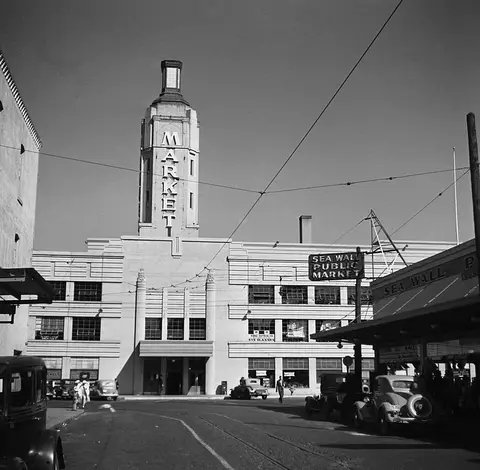
Washington Park, above the city, is home to the International Rose Test Garden with thousands of rosebushes, the Japanese Garden, considered one of the most beautiful outside Japan, as well as the zoo and arboretum. Powell's City of Books in the Pearl District is the largest independent bookstore in the world, with color-coded rooms and millions of books. The Lan Su Chinese Garden in Old Town is a tranquil garden in the style of the Ming Dynasty. On weekends, the Portland Saturday Market under the Burnside Bridge draws visitors with handicrafts. Forest Park on the edge of the Northwest District is one of the largest urban forests in the US, with more than 75 miles of hiking trails. Pittock Mansion, a villa from 1914, is visited above all for its view of Mount Hood and Mount St. Helens.
Neighborhoods with Their Own Character
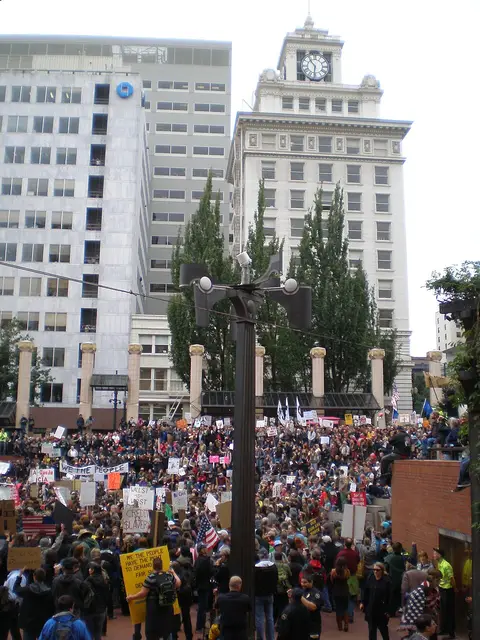
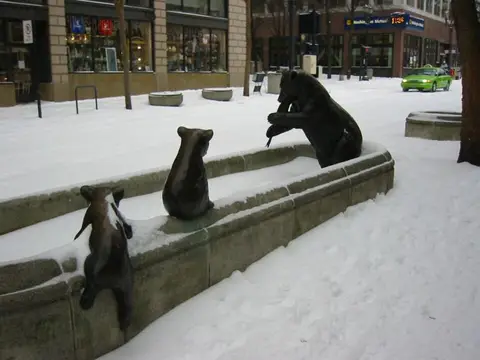
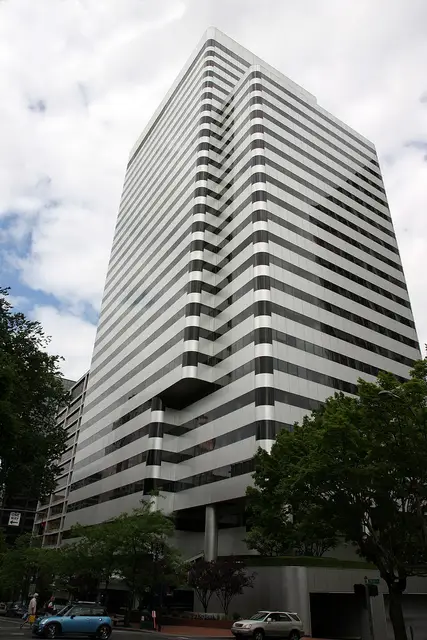
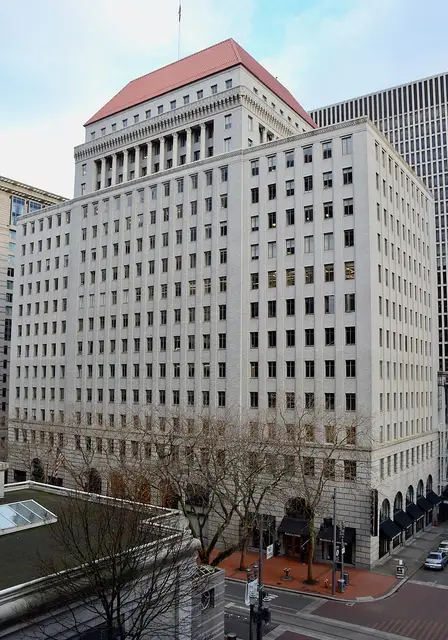
Downtown, with Pioneer Courthouse Square, the city's "living room," is compact and easy to explore on foot. The Pearl District, a former warehouse district, is now full of galleries, lofts, and restaurants; the Northwest District around 23rd Avenue draws visitors with boutiques in Victorian houses. On the east side of the river lie the neighborhoods where Portland feels most authentic: Buckman and Kerns with breweries, cafés, and the industrial area along the river, where wine bars and roasteries have sprung up, Richmond along Division Street with one of the best restaurant strips in the city, and Boise on Mississippi Avenue with vintage shops and bars.
Eating and Drinking in Portland
Food carts are Portland's best-known contribution to food culture: small trucks that gather in so-called pods and serve everything from Thai chicken and rice to Georgian cheese bread. Portland's restaurants rely heavily on regional ingredients from Oregon: salmon, hazelnuts, mushrooms, berries. The city is one of the craft beer capitals of the US, and the nearby Willamette Valley is famous for Pinot Noir. Breakfast means donuts in quirky varieties, and in the afternoon it's coffee from one of the many roasteries. Because Oregon has no sales tax, shopping here is cheaper than in neighboring states.
Biking, Nature, and Markets
Portland is considered one of the most bike-friendly cities in the US; on Biketown rental bikes, you can explore the bridges over the Willamette, including the car-free Tilikum Crossing. At the Eastbank Esplanade, your eyes glide over the river and skyline. Every Saturday, a large farmers market takes place on the Portland State University campus, and in summer, open-air movies and street fairs draw crowds in the neighborhoods.
Getting Around, When to Go, and Day Trips
Portland International Airport, whose new terminal impresses with an enormous timber roof, is connected to Downtown by the MAX light rail in a little over half an hour. The MAX network, the streetcar, and numerous bike paths make a car largely unnecessary in the city. The best time to visit is the dry, warm months from June to September; in June, the city celebrates the Rose Festival. In winter, it often rains. Day trips lead to the Columbia River Gorge with Multnomah Falls, to Mount Hood with its year-round ski area, to the Pacific coast at Cannon Beach with Haystack Rock, and to the wineries in the Willamette Valley.