
Discover Indianapolis: Racetrack, Canal, and Culture
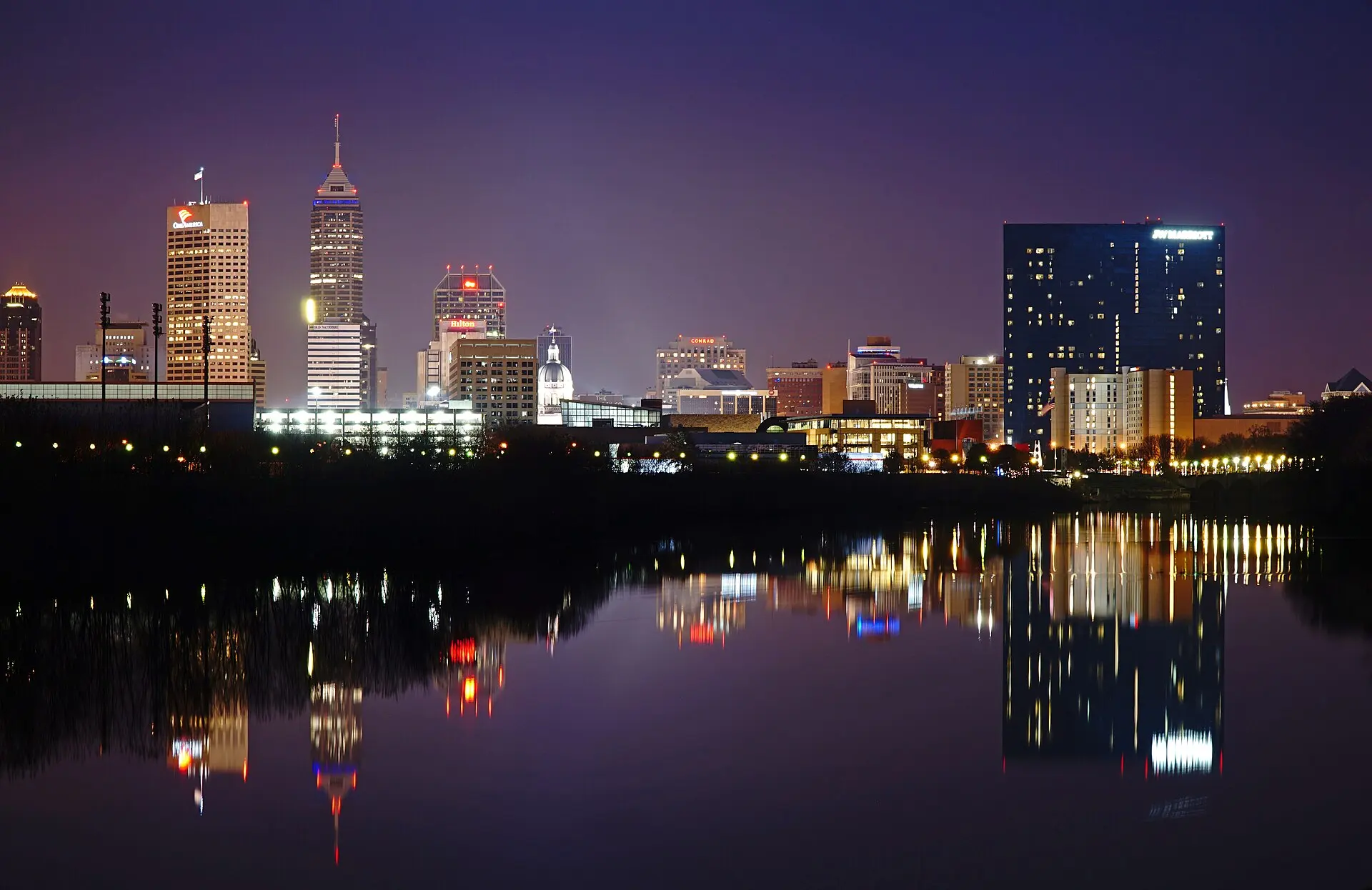
Travel guide · editorialAt the end of May, Indianapolis becomes the capital of motorsports, when more than 300,000 spectators cheer on the fastest race cars in the world at the Indy 500. But a trip to Indianapolis has plenty to offer even if you're not caught up in racing fever: a canal in the middle of the city, one of the largest children's museums in the world, and neighborhoods full of art and craft beer. For a relaxed city break in the Midwest, "Indy" is an easy-to-reach choice.
A Capital with a Plan
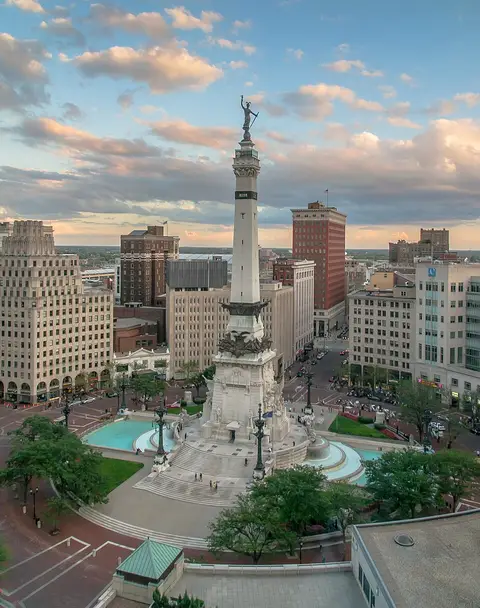
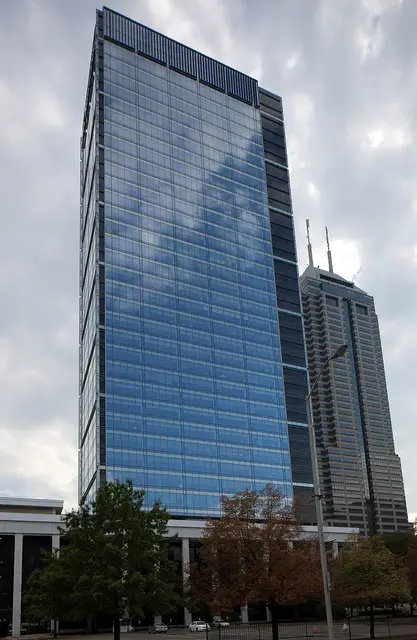
Indianapolis was laid out in 1821 as the new capital of Indiana, in the middle of what was then undeveloped land. The planner Alexander Ralston, who had previously worked on the design of Washington, D.C., drew up a grid with a circular plaza at the center and diagonal streets. Monument Circle, with the Soldiers' and Sailors' Monument, is still the heart of the city today. With the arrival of the railroad, Indianapolis became a transportation hub, hence the nickname "Crossroads of America." The Indianapolis Motor Speedway was built in 1909, and the first 500-mile race was held two years later. Later, the city reinvented itself as a sports center and became home to the NCAA, the governing body of college sports.
Sights in Indianapolis
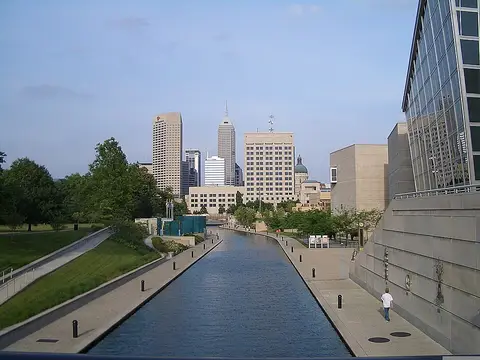
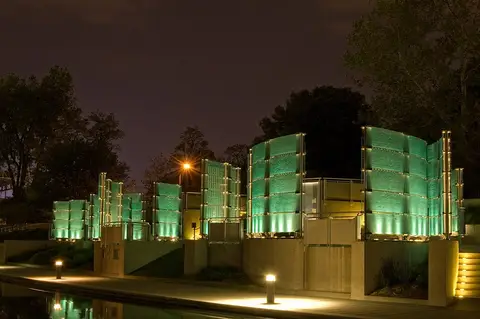
The Indianapolis Motor Speedway in the suburb of Speedway is the largest sports facility in the world with permanent seating. A museum displays historic winning cars, bus tours take you around the track, and if you like, you can kiss the "Yard of Bricks," a strip of bricks from the original track surface. The Central Canal runs through the middle of the city, where you can rent paddle boats and stroll along the banks. Along the canal you'll find White River State Park with a zoo, gardens, and museums. From the Soldiers' and Sailors' Monument, an observation deck offers views over downtown. The Cultural Trail, a bike and pedestrian path, connects the downtown neighborhoods.
Museums and Neighborhoods
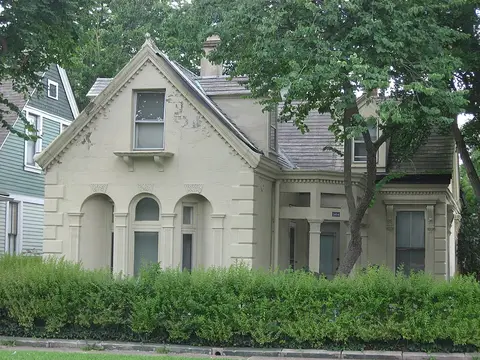
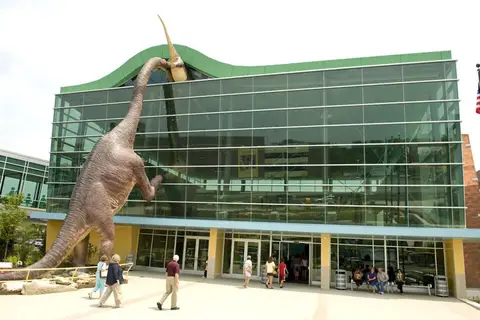
The Children's Museum of Indianapolis is considered the largest children's museum in the world, with life-size dinosaurs, a glass sculpture by Dale Chihuly, and interactive exhibits. The Eiteljorg Museum is devoted to the art of Native Americans and the American West, while Newfields, home to the Indianapolis Museum of Art, sits in a large park and is known for Robert Indiana's "LOVE" sculpture. In the Massachusetts Avenue Commercial District, or Mass Ave for short, you'll find theaters, bars, galleries, and the Kurt Vonnegut Museum, dedicated to the city's famous son. Fountain Square in the southeast draws visitors with duckpin bowling and retro clubs. Irvington in the east is a historic neighborhood with Victorian houses that hosts a big Halloween festival in October. Meridian Kessler in the north charms with elegant mansions and cozy cafés.
Eating in Indianapolis
The pork tenderloin sandwich is Indiana's unofficial dish: a giant, pounded-flat, breaded pork cutlet that extends far beyond the bun. Sugar cream pie, a simple pie with a sugar-and-cream filling, rounds out the meal. Since 1902, a long-established steakhouse on Monument Circle has been serving its spicy shrimp cocktail with horseradish. Restaurants in Indianapolis have made impressive strides in recent years, especially on Mass Ave, in Fletcher Place, and in Fountain Square. Craft breweries are plentiful, and City Market, a market hall dating from 1886, is a good spot for a quick lunch.
Indianapolis, a Sports City
Few cities in the U.S. have devoted themselves to sports as wholeheartedly. The Colts play at Lucas Oil Stadium, the Pacers at Gainbridge Fieldhouse, and major college championships are held here regularly. Many hotels are connected to the convention center by skywalks. If you love motorsports, you can catch the practice days at the Speedway in May, when drivers qualify for the race.
Getting Around, When to Go, and Day Trips
Indianapolis International Airport is about 25 minutes southwest of downtown and is considered one of the most customer-friendly airports in the U.S. The city center is compact and easy to explore on foot, and IndyGo's rapid bus lines run along several routes. The best time to visit is between May and October; in May everything revolves around the Indy 500, with parades and festivities, and in summer there are numerous concerts and the Indiana State Fair. Day trips take you to Bloomington, home of Indiana University, to Brown County State Park with its colorful fall foliage, and to Amish Country in the northern part of the state.