Discover Los Angeles: Beaches, Studios, and Tacos
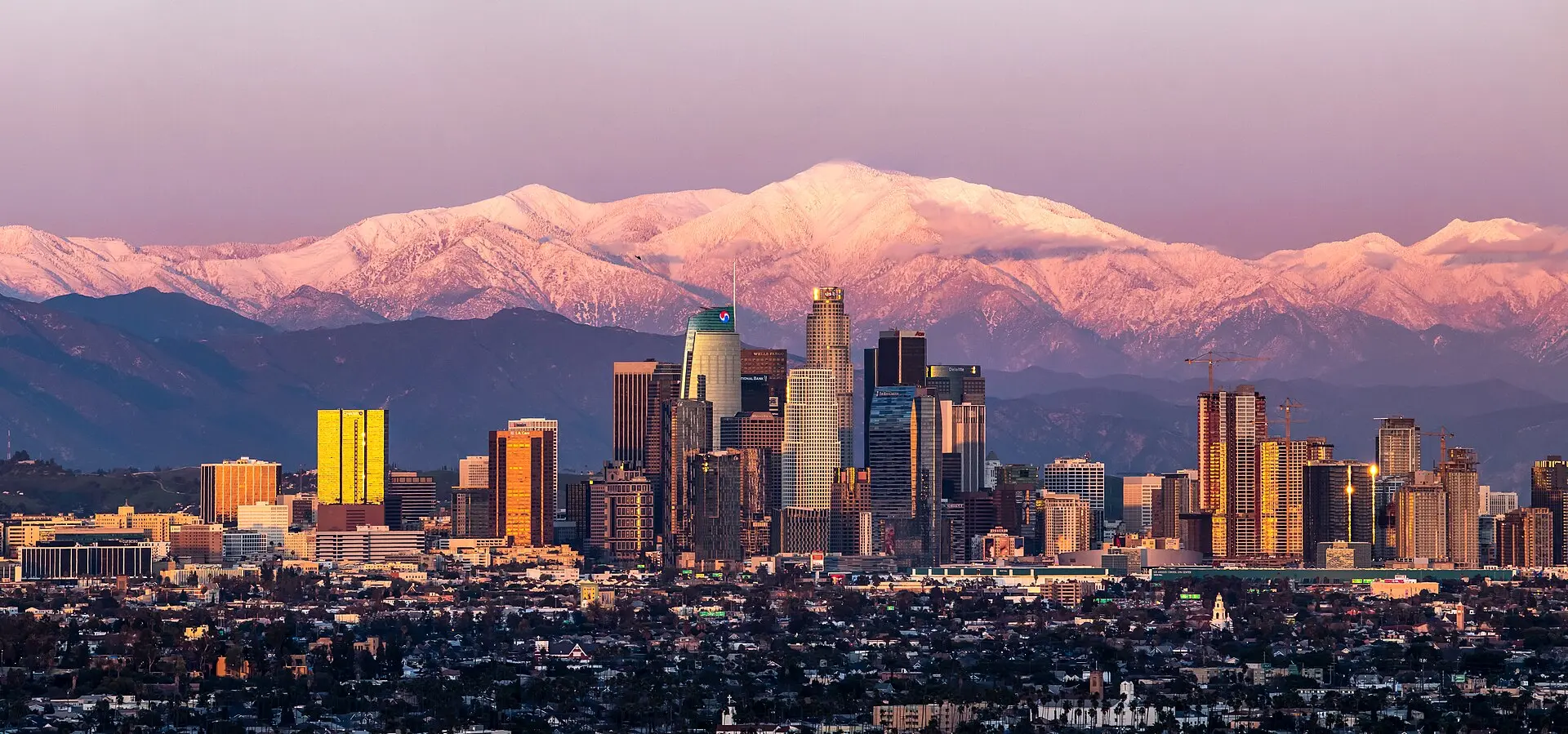
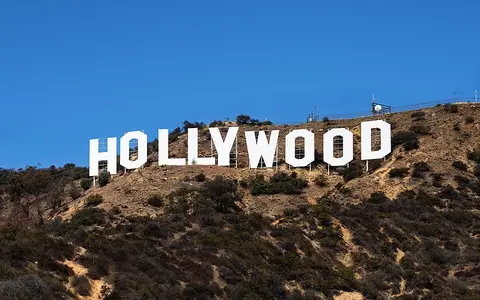
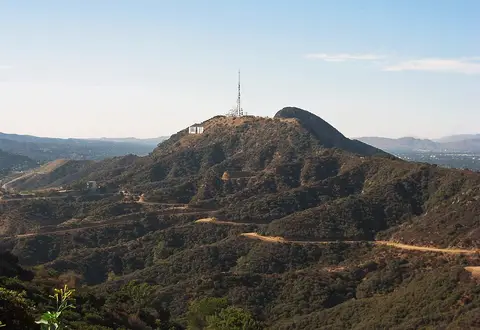
Travel guide · editorialPalm trees against a pink evening sky, surfers by the Santa Monica Pier, and above it all the white letters on Mount Lee: A trip to Los Angeles usually begins with images you know from the movies. But if you're planning a vacation in Los Angeles, you'll discover a vast, multifaceted metropolis behind them, made up of dozens of neighborhoods that have more to do with tacos, art, and hiking trails than with the red carpet. A city break here takes time – and a good plan.
From Spanish Pueblo to Dream Factory
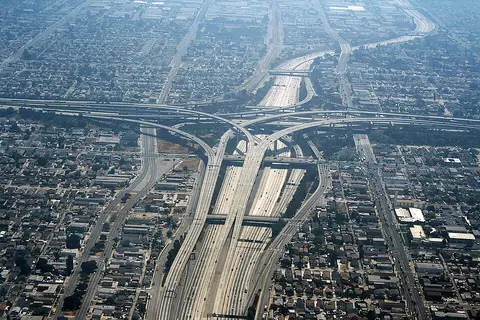
In 1781, Spanish settlers founded the small Pueblo de Nuestra Señora la Reina de los Ángeles on the Los Angeles River; on Olvera Street, the city's oldest surviving adobe houses still recall that era. After Mexican rule, the region became American in 1848. The city's real rise came with the railroad, oil, and orange groves, and then, from the 1910s on, with the movies: the sunny climate and the variety of landscapes lured studios from the East Coast to Hollywood. Aqueducts from the Sierra Nevada made explosive growth possible, and freeways shaped a city with no clear center. Today L.A. is the center of the entertainment industry, home to one of the largest port complexes in the world, and home to large Mexican, Korean, Armenian, and Iranian communities. In 2028, the city will host the Summer Olympics for the third time.
Neighborhoods Between the Valley and the Pacific
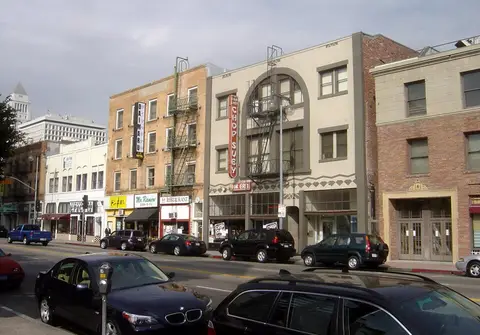
Los Angeles is a patchwork. Hollywood itself is touristy and a bit garish; Silver Lake and Echo Park, with their cafés and vintage shops, are more interesting. Downtown has reinvented itself with the Arts District, Grand Central Market, and restored movie palaces on Broadway. Along the coast you'll find Santa Monica, colorful Venice with its canals and boardwalk, and Malibu. North of the hills lies the San Fernando Valley, where a large share of everyday life takes place: Studio City with the CBS studios and restaurants on Ventura Boulevard, Sherman Oaks and Encino with shopping streets and sushi bars, North Hollywood with its NoHo Arts District full of small theaters, plus Van Nuys, Canoga Park, and Woodland Hills, where families live and taquerías and Thai restaurants are cheaper than at the beach.
Sights in Los Angeles
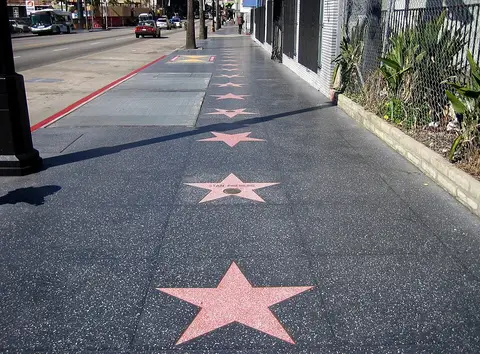
Griffith Observatory offers the best view of the Hollywood Sign and the city's glittering night lights; the surrounding Griffith Park is one of the largest urban parks in North America, with hiking trails all the way up to the sign. Visitors crowd the Hollywood Walk of Fame and the TCL Chinese Theatre with its hand- and footprints. If you want to go behind the scenes, book a tour of Warner Bros. Studios in Burbank or visit Universal Studios and its theme park. The Santa Monica Pier with its Ferris wheel marks the end of the legendary Route 66, and from there a bike path runs along the beach to Venice and Marina del Rey. In Downtown, Frank Gehry's silvery, curving Walt Disney Concert Hall and Union Station with its Art Deco hall stand out. For many visitors, a side trip to Beverly Hills and Rodeo Drive is a must.
Museums and Culture
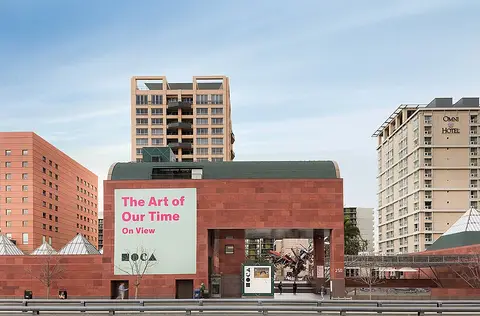
The art scene is first-rate and, surprisingly often, free. The Getty Center sits on a hilltop above Brentwood; Richard Meier's architecture, the gardens, and the views alone make the visit worthwhile, while the Getty Villa in Malibu is devoted to antiquity. The Broad in Downtown shows contemporary art from Koons to Kusama, and LACMA on Wilshire Boulevard impresses with "Urban Light," an installation of vintage street lamps. Right next door are the La Brea Tar Pits, where fossils of mammoths and saber-toothed cats are still being recovered from the asphalt pits. The Academy Museum of Motion Pictures tells the story of cinema, and in summer the Hollywood Bowl is the city's most atmospheric open-air venue.
Eating in Los Angeles
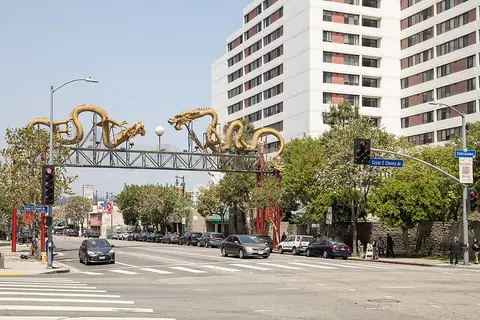
Los Angeles restaurants reflect the city's immigrant history. Tacos are practically a religion – from food trucks in East L.A. to longtime favorites in Boyle Heights, often with al pastor or Baja-style fish. Koreatown is famous for barbecue and late nights, the San Gabriel Valley for regional Chinese cuisines, Little Tokyo for ramen and sushi, and Thai Town in East Hollywood for fiery curries. Fresh California cooking with avocado and farmers market vegetables defines Santa Monica, where the Wednesday Farmers Market draws chefs from across the city. Grand Central Market in Downtown is a good place to sample a lot at once. A burger at the West Coast chain In-N-Out is a must for many visitors.
Getting Around Los Angeles
LAX is in the southwest; shuttles and the new automated People Mover connect to the Metro. The Metro network keeps growing: the B Line runs from Downtown to Hollywood and North Hollywood, the E Line goes all the way to Santa Monica, and since 2023 a tunnel under Downtown has connected the lines more directly. Even so, distances are huge, and if you want to explore several corners of the city, you'll usually want a rental car or ride-hailing. It's best to plan your days by region – one day at the beach, one in Hollywood and Griffith Park, one in Downtown – and to avoid rush hour on the freeways.
Best Time to Visit and Day Trips
Los Angeles has a mild climate with around 280 sunny days a year. The best times to visit are spring and fall; in May and June, coastal fog known as "June Gloom" often hangs over the beaches in the morning, and in late summer it gets very hot in the Valley. Winters are mild, with occasional rain. Worthwhile day trips lead to Malibu and farther up the coast, to Pasadena and the Huntington Library, to Disneyland in Anaheim, to Catalina Island, or to Joshua Tree National Park, a good two hours' drive east in the desert.