Discover Fort Worth: Stockyards, Art, and Cowboys
Travel guide · editorialTwice a day, Longhorn cattle with sweeping horns trudge down Exchange Avenue, escorted by cowboys on horseback – in Fort Worth, the Wild West lives on. But a trip to Fort Worth is full of surprises beyond the cattle drive, from a world-class museum district to a lively downtown. For a Texas vacation that combines cowboy culture and art, "Cowtown" is the perfect complement to neighboring Dallas.
Where the West Begins
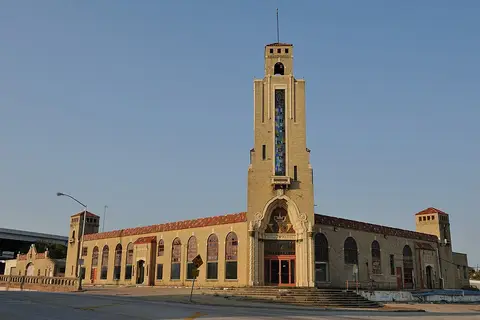
In 1849, the U.S. Army established a small military outpost on the Trinity River, named after General William Jenkins Worth. After the Civil War, the settlement became the last major stop on the Chisholm Trail, along which cowboys drove millions of cattle from Texas to Kansas. Saloons, gambling halls, and brothels in the notorious "Hell's Half Acre" made the town famous. The railroad arrived in 1876, bringing stockyards and, later, large meatpacking plants, and the Stockyards became the center of the cattle trade in the Southwest. Oil discoveries and later the aviation industry fueled further growth. Today Fort Worth has around one million residents and is among the fastest-growing big cities in the U.S. Its motto fits perfectly: "Where the West Begins."
Sights in Fort Worth
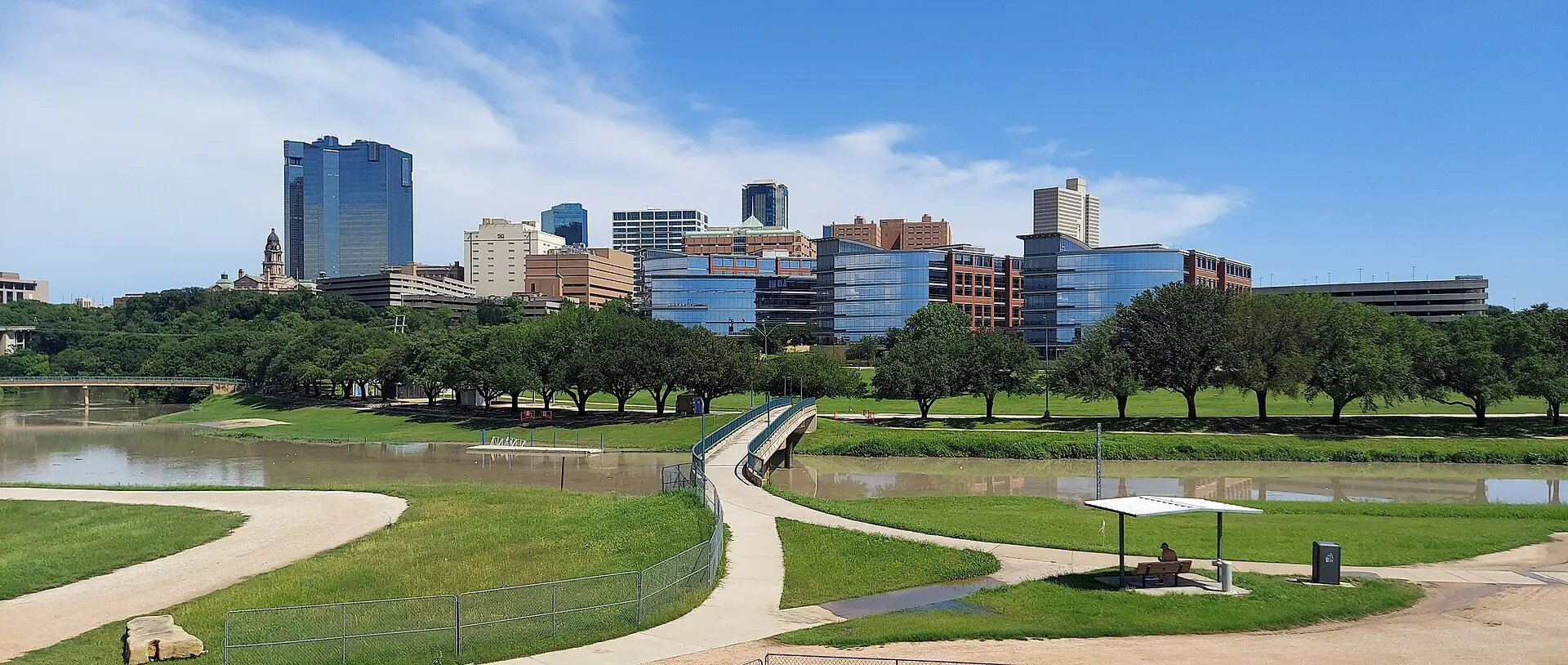
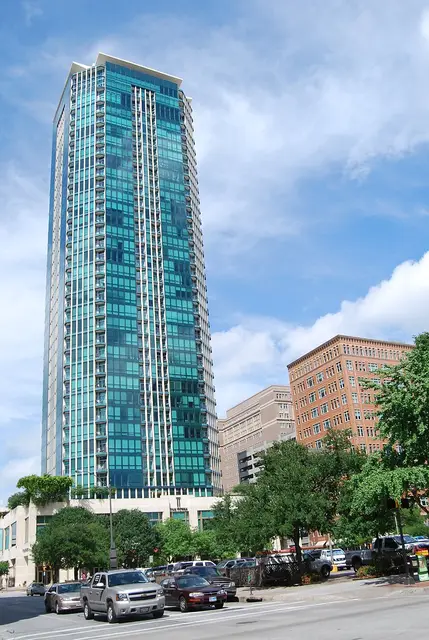
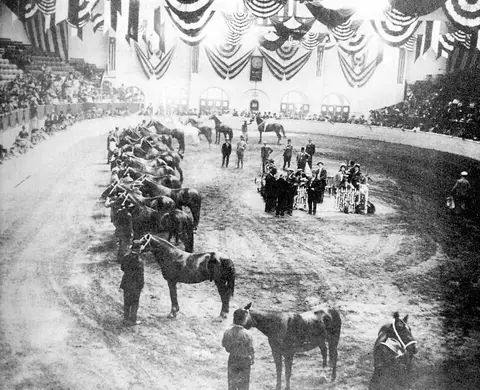
The Fort Worth Stockyards National Historic District is the heart of cowboy culture. The Fort Worth Herd takes place at 11:30 a.m. and 4 p.m. – the only twice-daily cattle drive in the world. On Fridays and Saturdays, the Cowtown Coliseum hosts rodeos; the world's first indoor rodeo was held here in 1918. In the shops along Exchange Avenue, you can buy boots, hats, and belt buckles, and in the evening, Billy Bob's Texas, one of the largest honky-tonks in the world, offers dancing and even bull riding. In Downtown Fort Worth, Sundance Square draws visitors with its plazas, theaters, and murals, while the Fort Worth Water Gardens, designed by Philip Johnson, are an oasis of cascades and pools.
Museums in the Cultural District
The Cultural District is home to first-rate museums clustered close together. The Kimbell Art Museum is famous for its architecture alone, designed by Louis Kahn with vaulted concrete roofs and skylights; its collection ranges from Michelangelo's first painting to Picasso. Across the street, the Modern Art Museum of Fort Worth, housed in a building by Tadao Ando, shows works from Rothko to Warhol above a reflecting pool. The Amon Carter Museum of American Art is devoted to Frederic Remington and Charles Russell, whose paintings captured the Wild West, and the National Cowgirl Museum honors the women of the pioneer era. Admission to many of the museums is free.
Eating in Fort Worth
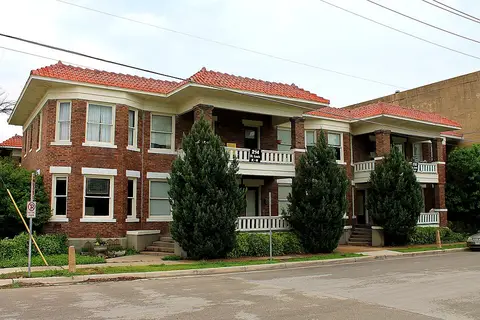
Beef is a point of honor here. Restaurants in Fort Worth serve grilled steaks, Texas barbecue with brisket and ribs, and chicken fried steak with white pepper gravy. In the Stockyards, steakhouses serve enormous ribeyes, and Tex-Mex has a long tradition in Fort Worth, with enchiladas and queso. The Near Southside neighborhood along Magnolia Avenue is considered the most creative restaurant strip, with breweries and cafés, and the historic Fairmount neighborhood with its bungalows is ideal for a stroll. In the south of the city lies Wedgwood, a quiet residential area with parks.
Neighborhoods for Strolling
Besides the Stockyards and Downtown, the West 7th District between downtown and the Cultural District is worth a visit, with bars, restaurants, and residential developments. A long network of bike and hiking trails runs along the Trinity River, and the Fort Worth Botanic Garden, with its Japanese garden, is a place to find some peace. In December, Sundance Square is decorated with a giant Christmas tree, and in summer it hosts concerts. If you're looking for Western wear, you'll find it in the city's long-established shops.
Getting Around, When to Go, and Day Trips
Dallas/Fort Worth Airport lies between the two cities, and the TEXRail train runs directly from there to Downtown Fort Worth. The Trinity Railway Express takes you to Dallas, and Trinity Metro buses run within the city; for the Stockyards, a car or ride service is practical. The best times to visit are spring and fall; in January and February, the Fort Worth Stock Show & Rodeo, one of the oldest livestock shows in the country, draws crowds. Summers are very hot. Day trips lead to Dallas, to the Texas Motor Speedway racetrack, to Dinosaur Valley State Park with its fossilized dinosaur tracks, and to Granbury with its historic lakeside square.