


Discover Charlotte: NASCAR, Uptown and Southern Cooking
Travel guide · editorialGleaming bank towers in Uptown, race cars topping 190 mph on the speedway, and shady streets lined with old oaks: Charlotte blends the New South with the Old. A trip to Charlotte is a great fit for motorsports fans, whitewater adventurers, and anyone who wants to taste Southern food beyond the clichés. For a city break with a side trip into the Blue Ridge Mountains, North Carolina's largest city makes an excellent base.
From Gold Rush Town to Financial Hub
The city was named in 1768 for Charlotte of Mecklenburg-Strelitz, the German-born wife of Britain's King George III – hence the nickname "Queen City" and the crown in the city logo. Ironically, the region was considered especially rebellious during the Revolutionary War, and the British general Cornwallis is said to have called it a "hornet's nest," which gave the Hornets basketball team its name. In 1799, a boy found a gold nugget nearby and set off the first gold rush in the United States, and a mint was even opened. In the 20th century, Charlotte grew on the strength of textiles and banking; today the city is the second-largest banking center in the U.S. after New York and home to Bank of America.
Sights in Charlotte
The NASCAR Hall of Fame museum in Uptown lets you climb into racing simulators and tells the story of the sport's beginnings, which trace back to the fast cars of whiskey runners in the region's mountains. For the live racing atmosphere, head to Charlotte Motor Speedway in Concord, home of the Coca-Cola 600 in May. The U.S. National Whitewater Center on the west side of the city is an artificial whitewater course where Olympic teams also train; it also offers climbing walls, ziplines, and mountain bike trails. Romare Bearden Park, with its view of the skyline, and Freedom Park in the Myers Park neighborhood are inviting spots for a stroll. For history, the Levine Museum of the New South is a good choice.
Neighborhoods Between Uptown and South End
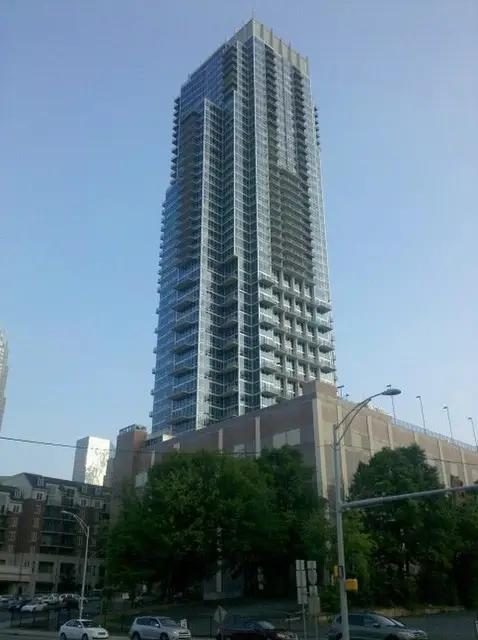
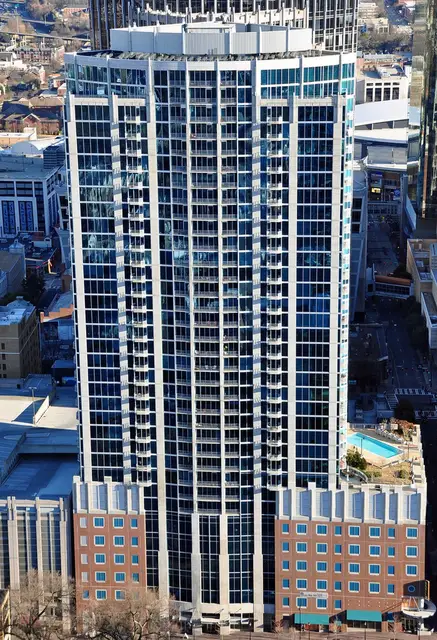
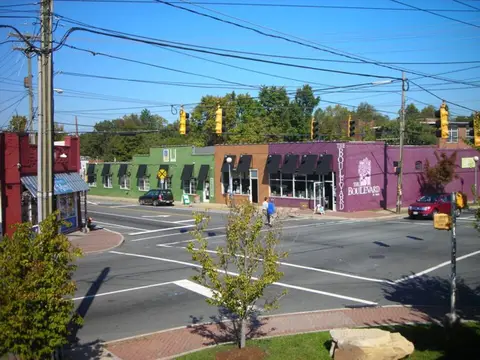
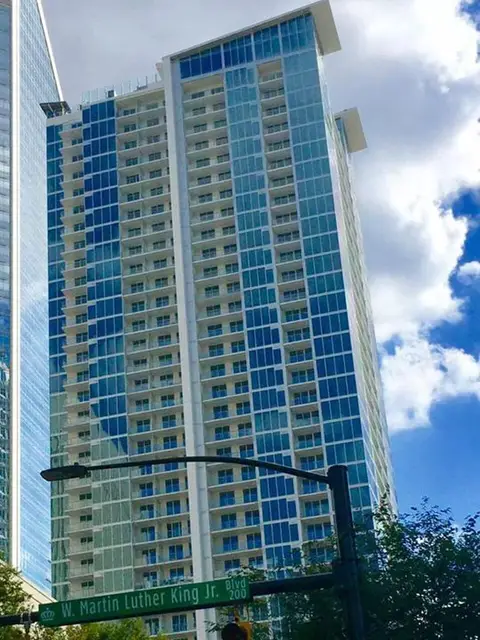
Uptown is the compact center, with high-rises, museums, and the stadium of the NFL's Carolina Panthers. Just to the south lies South End, a former factory district that has grown into a lively neighborhood of breweries, cafés, and restaurants along the Rail Trail, a former railroad corridor. Wesley Heights, west of Uptown, is a quiet, historic neighborhood with bungalows from the 1920s. NoDa, the North Davidson Arts District, draws visitors with murals, galleries, and small music clubs. In the northeast, around University City and Mallard, the UNC Charlotte campus and shopping centers dominate the landscape, while Northlake to the north, Starmount, and Mineral Springs are typical residential areas with plenty of international restaurants.
Museums and Culture
The Mint Museum, North Carolina's oldest art museum, was originally founded in the gold rush–era mint and now has a modern location in Uptown focusing on craft and design. The Bechtler Museum of Modern Art shows works by Giacometti, Miró, and Warhol, and Niki de Saint Phalle's mosaic-covered Firebird stands outside the building. The Harvey B. Gantt Center is dedicated to African American art and culture. The Billy Graham Library commemorates the famous preacher, who grew up near Charlotte.
Eating in Charlotte
North Carolina is proud of its barbecue: pulled pork with a vinegar-pepper sauce in the eastern part of the state, or with a tomato-based touch in the west, served with hush puppies, fried cornmeal balls, and coleslaw. Charlotte's restaurants also serve fried chicken, biscuits with gravy for breakfast, and shrimp and grits. Cheerwine, a cherry-red soda from North Carolina, is part of the experience. South End and NoDa are the neighborhoods for craft beer, and along Central Avenue you'll find Vietnamese, Ethiopian, and Latin American restaurants.
Getting Around, When to Go, and Day Trips
Charlotte Douglas is a major American Airlines hub and also offers nonstop flights from Europe. The LYNX Blue Line connects University City with South End and points south via Uptown, and the Gold Line streetcar runs through Uptown. For day trips, a car is a good idea. The best times to visit are spring and fall, with mild temperatures and blooming azaleas or colorful foliage, respectively; summers are hot and humid. Day trips lead to Lake Norman, to Asheville in the Blue Ridge Mountains with the Biltmore Estate, a good two hours to the west, and to Charleston on the coast.