

Discover New Orleans: Jazz, Creole Cuisine, and Mardi Gras
Travel guide · editorialA trumpet drifts out of an open doorway on Frenchmen Street, a brass band marches past in the street, and ferns hang from wrought-iron balconies—New Orleans feels like no other city in the United States. A trip to New Orleans is a journey to the birthplace of jazz, to a one-of-a-kind Creole cuisine, and to a way of life summed up as "laissez les bons temps rouler" (let the good times roll). For a city break filled with music, history, and great food, "NOLA" is unbeatable.
French, Spanish, African, American
The French founded the city in 1718 in a bend of the Mississippi River and named it after the Duke of Orléans. Spain took over in 1763, and Napoleon sold Louisiana to the United States in 1803. The mix of French and Spanish colonists, enslaved Africans, free people of color, Acadians from Canada, and later Irish, Germans, and Italians created a unique Creole culture. Around 1900, jazz was born here, with musicians like Buddy Bolden and Louis Armstrong. In 2005, Hurricane Katrina devastated the city, with about 80 percent of it under water. Rebuilding took years, but the city's culture has proven resilient.
Sights in New Orleans
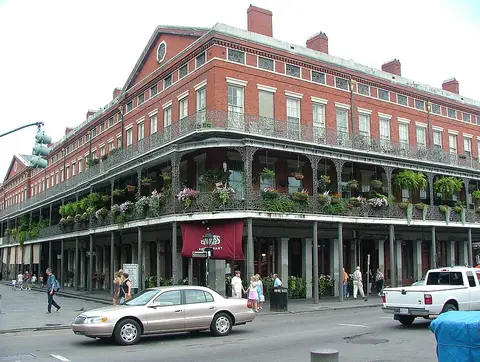
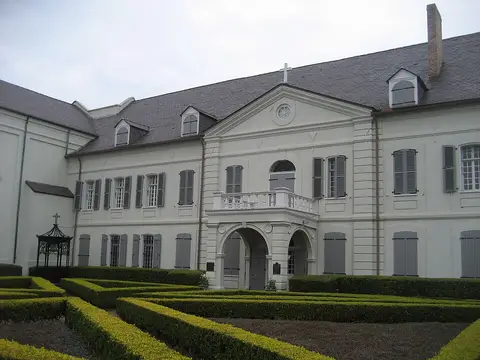
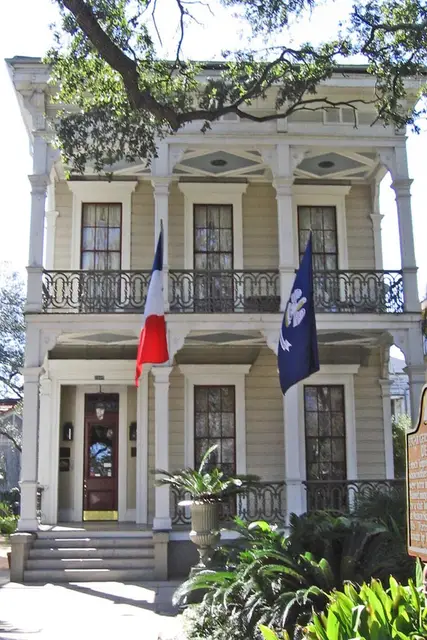
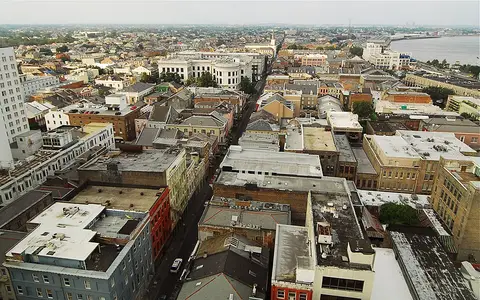
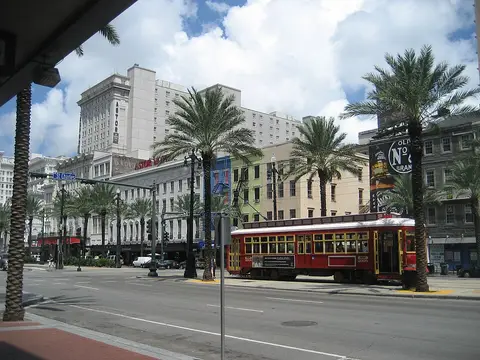
The French Quarter, the oldest neighborhood, is more Spanish than French in character, with its colonial buildings, courtyards, and balconies, since it was rebuilt after fires in the late 18th century. At Jackson Square you'll find St. Louis Cathedral, the Cabildo, and street performers, while paddlewheel steamboats depart from the Moonwalk riverfront promenade. Bourbon Street is loud and party-minded, while parallel Royal Street, with its antiques shops and galleries, is quieter. The St. Charles streetcar, the oldest continuously operating streetcar line in the world, takes you through the Garden District with its mansions and to Lafayette Cemetery with its aboveground tombs. City Park, with its ancient oaks and the sculpture garden of the New Orleans Museum of Art, invites you to stroll.
Music, Museums, and Neighborhoods
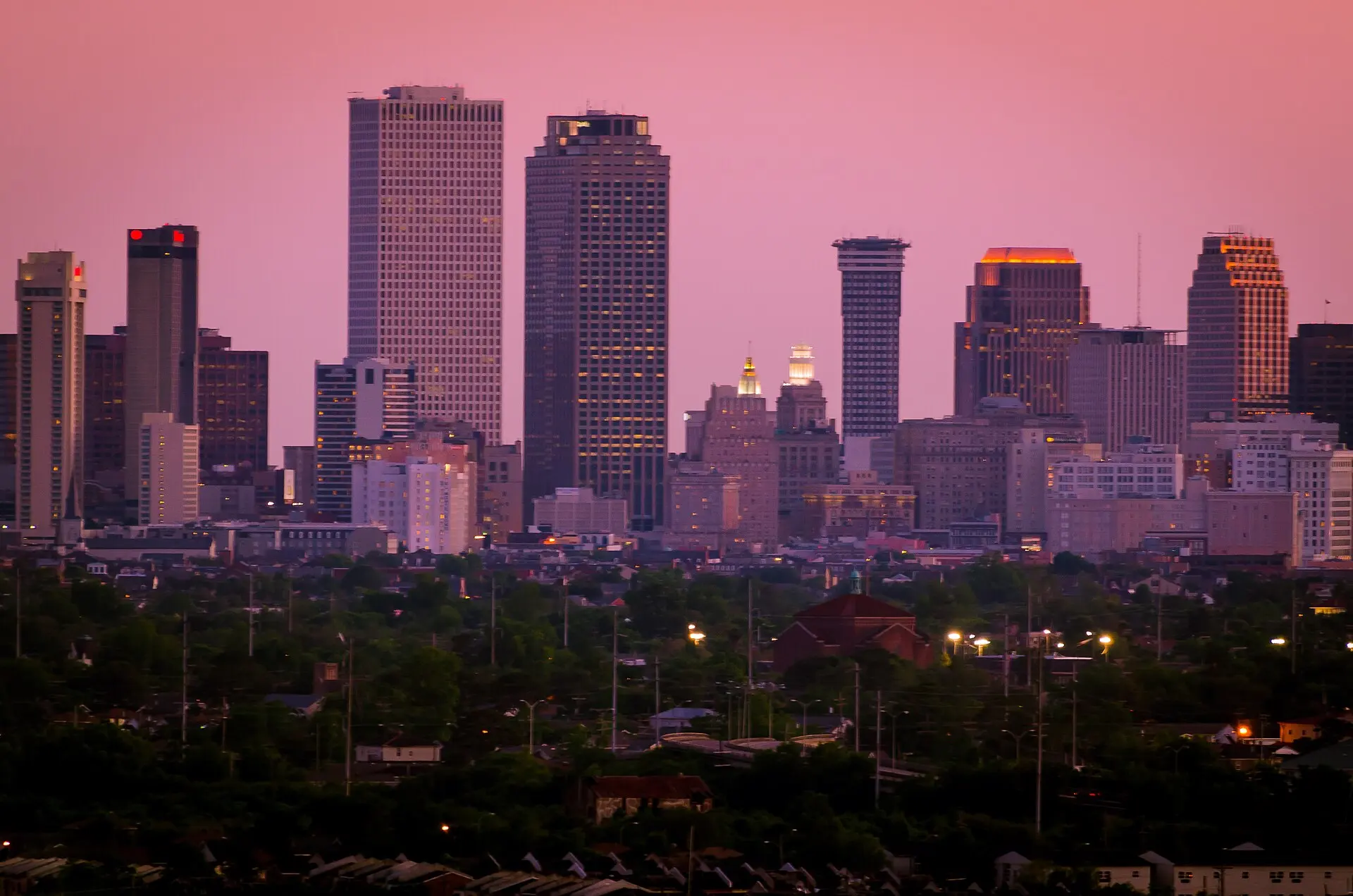
Frenchmen Street in the Marigny neighborhood is the address for live music, with clubs that play jazz, funk, and blues every night. Preservation Hall in the French Quarter keeps traditional jazz alive in a small, simple room. The National WWII Museum is one of the best museums in the country, while the Historic New Orleans Collection and the New Orleans Jazz Museum in the former U.S. Mint tell the story of the city. Tremé, one of the oldest African American neighborhoods in the United States, is home to brass bands and second-line parades. Bywater, with its colorful wooden houses and street art, and Uptown along Magazine Street, with its boutiques, round out the picture; in the river bend to the west lie quiet residential streets such as the Leonidas neighborhood near Carrollton, where the St. Charles streetcar line ends.
Eating in New Orleans
Restaurants in New Orleans blend French, African, Spanish, and Caribbean influences. Gumbo, a thick stew made with okra or filé; jambalaya with rice, sausage, and seafood; red beans and rice on Mondays; and crawfish étouffée are classics of Creole and Cajun cooking. Po'boys, baguette sandwiches filled with fried oysters or shrimp, and the muffuletta, a round sandwich with olive salad, are available on every corner. Breakfast means beignets dusted with powdered sugar and café au lait with chicory at Café du Monde. In the evening, have a Sazerac or a Hurricane—both cocktails originated in the city.
Getting Around, When to Go, and Day Trips
Louis Armstrong New Orleans International Airport is about 15 miles west of downtown, with buses and taxis running into the center. In the city, the historic streetcars and walking are ideal, and a ferry crosses to Algiers. In some neighborhoods, you should stay alert at night. The best time to visit is between February and May: highlights include Mardi Gras with its parades and costumes and the New Orleans Jazz & Heritage Festival in late April and early May. Summer is hot and humid and falls within hurricane season. Day trips lead to the plantations along River Road, such as Whitney, which focuses on the history of slavery, on swamp tours into the bayous, and to Lafayette in Cajun Country.