Louisiana: Jazz, Bayous, and Creole Cuisine
Travel guide · editorialIn Louisiana, brass bands play in the streets, alligators doze in the swamp, and in some villages you can still hear French spoken. A vacation in Louisiana is a journey into perhaps the most distinctive culture in the United States: the nightlife of New Orleans, the Cajun prairie around Lafayette, plantations along the Mississippi, and a cuisine that is worth the trip all by itself.
A Land of Water
Louisiana lies where the Mississippi empties into the Gulf of Mexico after more than 2,300 miles. The south is a mosaic of bayous (slow-moving side channels), marshes, cypress swamps, and river deltas. The Atchafalaya Basin is the largest river swamp in the United States, home to alligators, herons, and crawfish. The coast loses land to the sea every year, a result of canal building, erosion, and rising sea levels. The north, by contrast, is hilly and characterized by pine forests, resembling Arkansas or Mississippi more than the Gulf Coast. Incidentally, Louisiana's administrative divisions are called parishes rather than counties, a legacy of the Catholic colonial era.
New Orleans
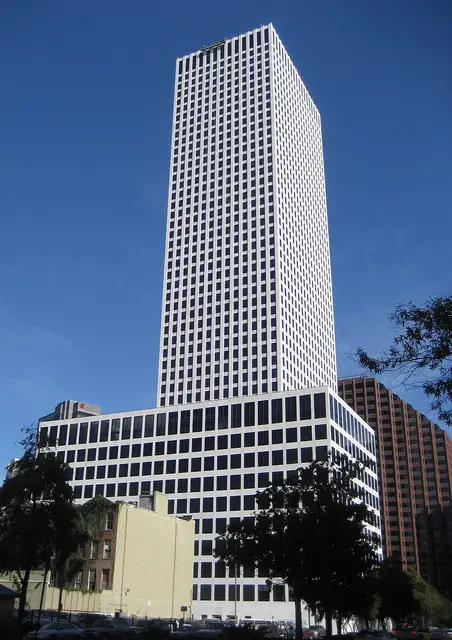
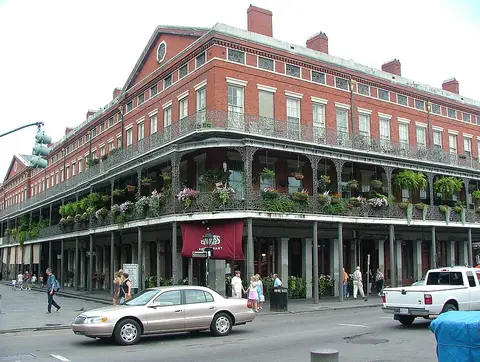
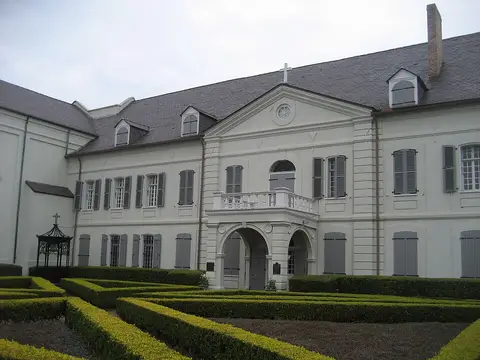
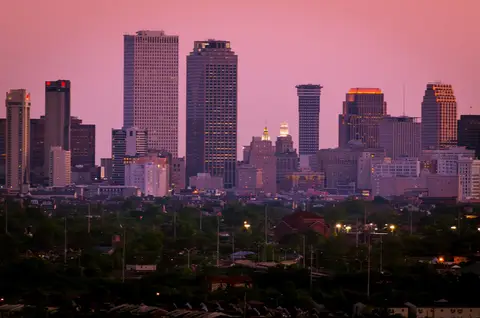
The French Quarter, with its wrought-iron balconies, is the oldest part of New Orleans, founded in 1718. St. Louis Cathedral stands on Jackson Square, and Café du Monde serves beignets with powdered sugar and chicory coffee around the clock. Bourbon Street is loud and touristy; for real jazz, head to Preservation Hall or the clubs on Frenchmen Street in the Marigny neighborhood. The historic streetcar takes you through the Garden District with its antebellum mansions, and in cemeteries such as St. Louis Cemetery No. 1, the dead rest in aboveground tombs because of the high water table. The National WWII Museum is among the best museums in the country. Hurricane Katrina flooded large parts of the city in 2005; the scars are still visible in some neighborhoods today. Metairie and Kenner are the big suburbs.
Sights in Louisiana Beyond the Big City
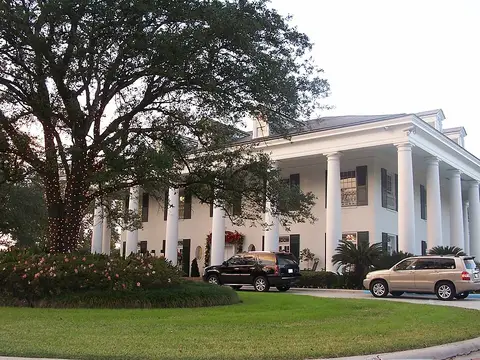
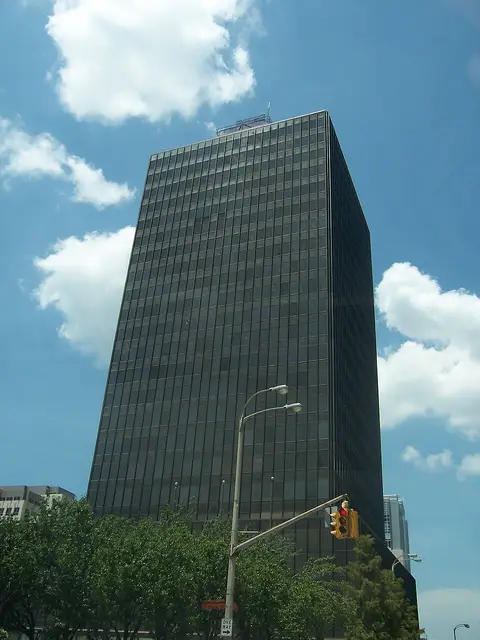
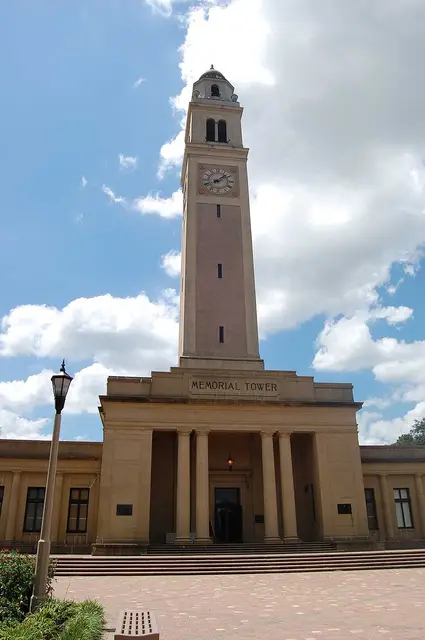
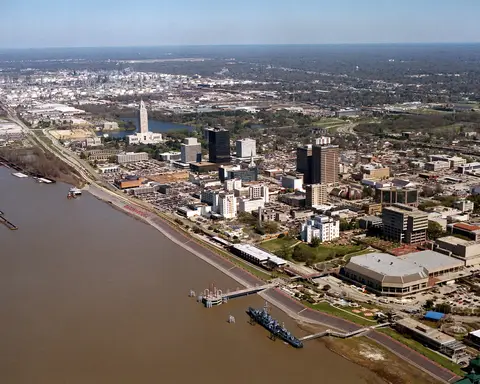
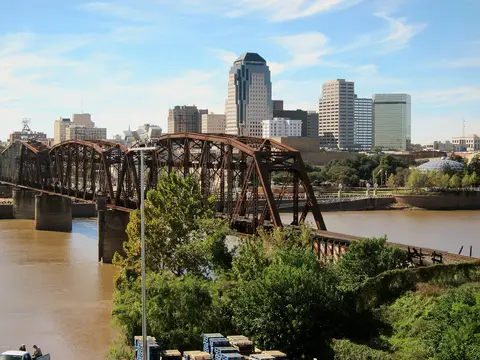
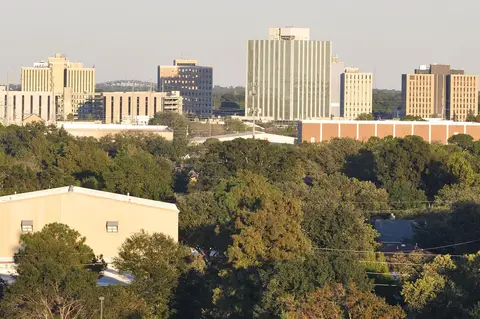
The River Road between New Orleans and Baton Rouge is lined with plantation houses. Oak Alley is famous for its avenue of 300-year-old oaks, while the Whitney Plantation deliberately puts the history of enslaved people at the center. Baton Rouge, the capital, has the tallest state capitol in the United States at 34 stories, built under Governor Huey Long. Lafayette is the center of Acadiana, the land of the Cajuns, descendants of French settlers who were expelled from Canada in the 18th century. There and in Breaux Bridge, bands play zydeco and Cajun music with breakfast on Saturday mornings. Tabasco sauce has been made on Avery Island since 1868. Swamp tours in flat-bottomed boats depart from Lake Martin and the Atchafalaya Basin, among other places. In the north lie Shreveport, with its casinos on the Red River, and Bossier City across the water; in the west, Lake Charles is another casino destination.
Festivals and Culture
Mardi Gras, the carnival season, is the highlight of the year: for weeks, parades with floats from the "krewes" roll through New Orleans, tossing colorful plastic beads to the crowds. The Mardi Gras Indians wear hand-sewn feathered costumes. In spring come the French Quarter Festival and the New Orleans Jazz & Heritage Festival. In the rural Cajun areas, carnival is celebrated as the Courir de Mardi Gras, in which costumed riders go from farm to farm. Spanish, French, African, and Caribbean influences created the culture from which jazz emerged; Louis Armstrong was born in New Orleans.
Food and Drink
Gumbo, a thick stew made with okra or filé powder, jambalaya with rice, sausage, and chicken, étouffée with crawfish, and red beans and rice, traditionally cooked on Mondays, are must-try dishes. Po'boys are baguette sandwiches filled with fried oysters or shrimp, and the muffuletta is a round loaf of bread stuffed with olive salad and cold cuts. In spring, crawfish boils are the order of the day. The Sazerac is considered one of America's oldest cocktails.
Best Time to Visit and Getting There
The best time to visit is between February and May, and in October and November. Summers are very humid, and hurricane season runs from June to November. Louis Armstrong New Orleans International Airport (MSY) is the main gateway; Baton Rouge is about an hour's drive away, and Lafayette just under two hours.