Discover Baton Rouge: The Capitol, the Mississippi and Cajun Country
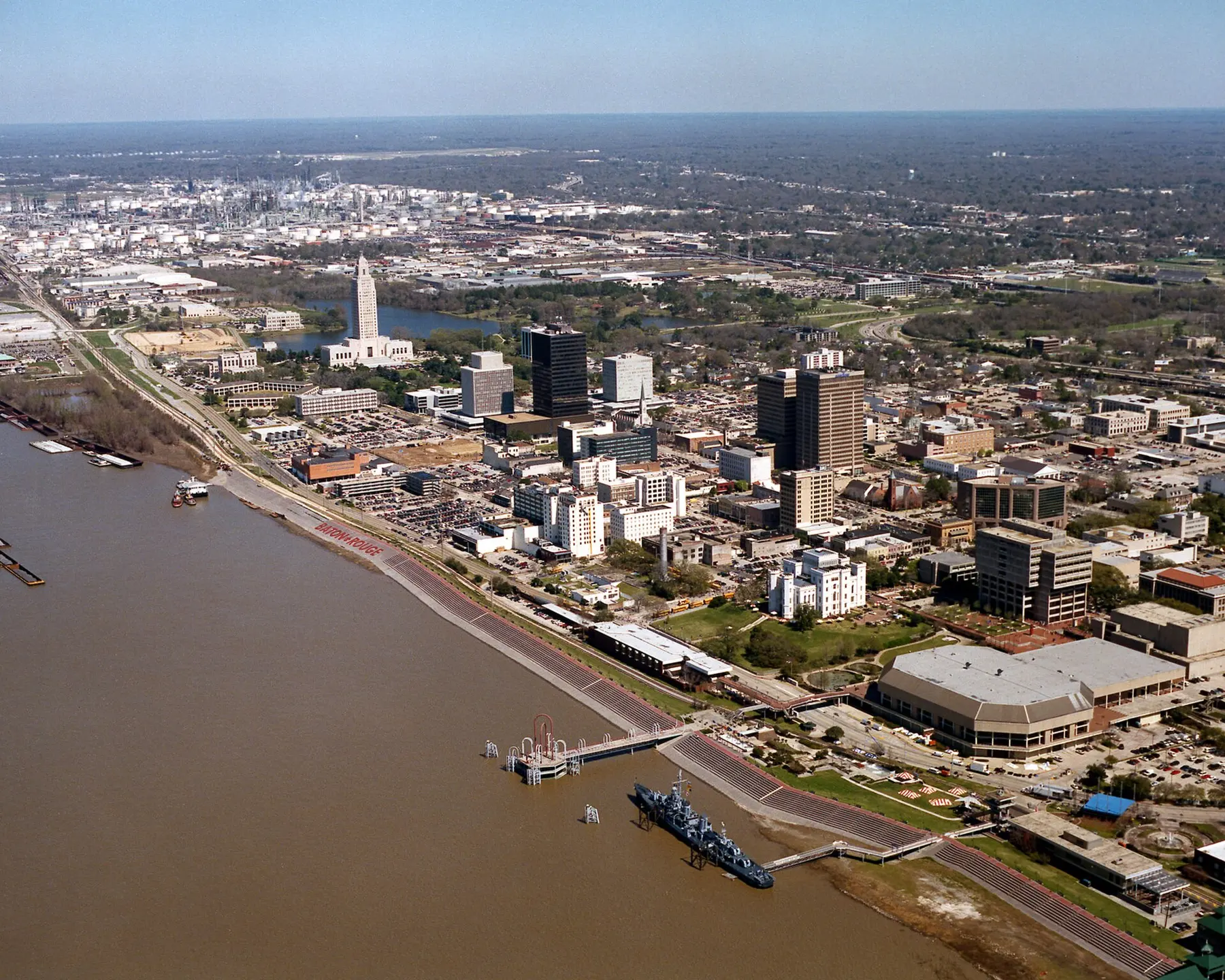
Travel guide · editorialIn 1699, French explorers spotted a red-painted pole here that marked the boundary between the hunting grounds of two Native American tribes – the "bâton rouge." A trip to Baton Rouge takes you to Louisiana's state capital on the Mississippi, where the tallest state capitol in the U.S., college sports and the cooking of the Cajuns and Creoles all come together.
Under Seven Flags
Few cities have changed hands as often: the French, British and Spanish, the short-lived independent Republic of West Florida, then the U.S. and the Confederacy. In 1849, Baton Rouge became the capital of Louisiana. The populist governor Huey Long had the new Capitol built in the early 1930s – and was shot in that very building in 1935. Later, oil refineries and chemical plants along the river turned the city into an industrial center, while Louisiana State University shapes its cultural life.
Sights in Baton Rouge
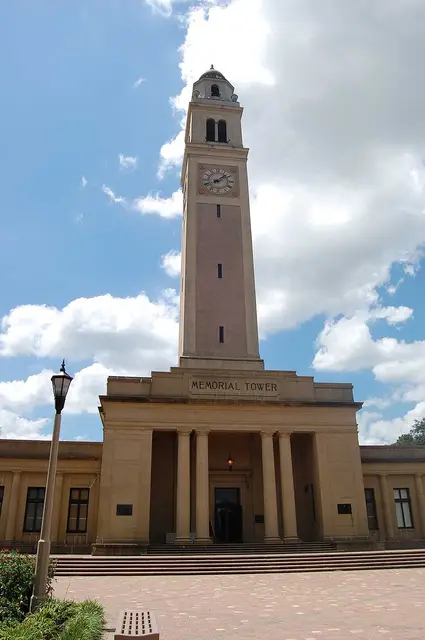
The Art Deco Louisiana State Capitol is about 460 feet (140 meters) tall; the observation deck on the 27th floor offers wide views over the Mississippi, and bullet holes from 1935 can still be seen in the corridors. The Old State Capitol, a Gothic Revival castle with a stained-glass dome, houses a museum of political history. On the riverfront you'll find the USS Kidd, a World War II destroyer. The LSU Rural Life Museum shows rural life in the 19th century, and the Shaw Center for the Arts presents contemporary art. On the LSU campus, a live tiger, Mike the Tiger, lives as the mascot in his own habitat.
Eating and Going Out in Baton Rouge
Gumbo, jambalaya, étouffée and boudin – the cooking of South Louisiana is spicy and hearty. In spring it's crawfish boil season, with boiled crawfish, corn and potatoes eaten with your hands at long tables. Po'boys with fried shrimp or oysters are available on nearly every corner. In the evening, people gather in the bars of the Downtown Development District along Third Street or around the campus in Tigerland. On football Saturdays, the tailgate parties outside Tiger Stadium are among the loudest events in college sports.
Festivals and Music in Baton Rouge
Baton Rouge celebrates Mardi Gras a bit more quietly than New Orleans, with its own parades such as the Spanish Town Parade, known for its satirical floats and pink flamingos. In spring, the Baton Rouge Blues Festival draws fans, as the city has its own swamp blues tradition with musicians like Slim Harpo. During the Christmas season, light installations brighten Downtown. The pubs and bars on Government Street and in Mid City offer live music all year round, from blues to zydeco.
Getting Around Baton Rouge and the Best Time to Visit
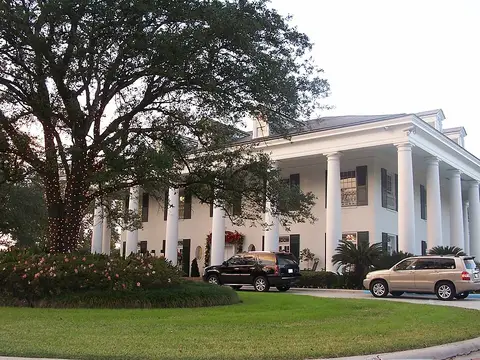
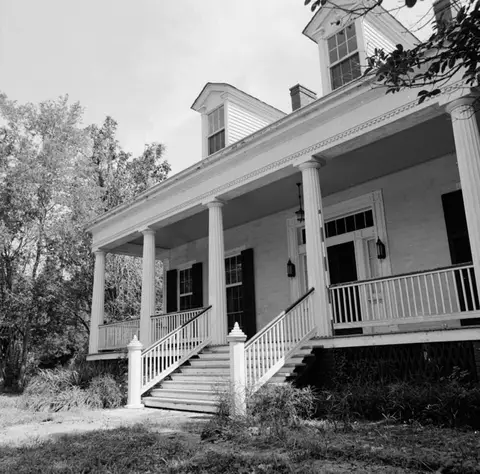
Baton Rouge Metropolitan Airport lies north of the city; New Orleans' international airport is about an hour away by car. Buses run within the city, but a rental car is still recommended. The best time to visit is from fall through spring – summers are muggy, and hurricane season runs from June to November. Day trips lead to the plantations along River Road, such as Oak Alley or the Whitney Plantation, which focuses on the history of slavery, as well as to the Atchafalaya Basin, the largest river swamp in the U.S.