
Nevada: Las Vegas, Desert and Lake Tahoe
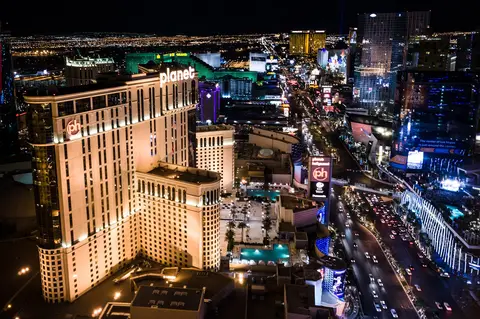
Travel guide · editorialAt night, the Las Vegas Strip is one of the brightest places on Earth, yet just a few hours' drive away lies one of the loneliest roads in America. A vacation in Nevada swings between these extremes: casinos and shows, rocky deserts with red sandstone formations, ghost towns from the silver-mining era, and the deep blue waters of Lake Tahoe on the California border.
The Great Basin and the Mojave
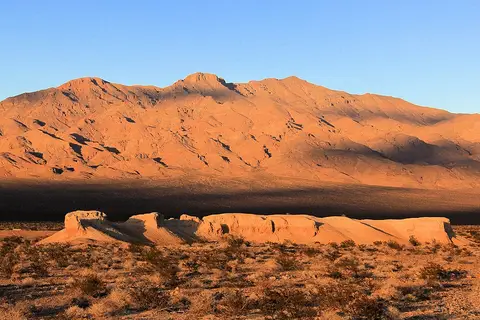
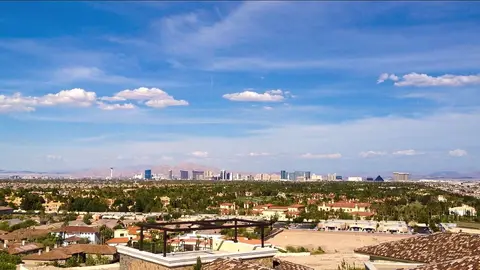
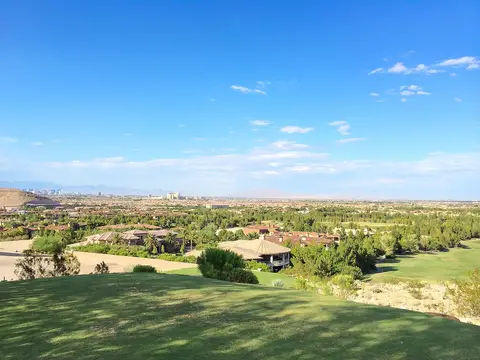
Almost all of Nevada lies within the Great Basin, a vast watershed with no outlet to the sea, where rivers drain into salt lakes or simply vanish into the desert sand. More than 300 mountain ranges run parallel from north to south, separated by broad valleys – more than in any other U.S. state. The south around Las Vegas lies in the hotter Mojave Desert, with its Joshua trees and creosote bushes. In the west, the Sierra Nevada forms the border, and Lake Tahoe sits at an elevation of about 6,200 feet. Nevada is the driest state in the country, and much of its land is owned by the federal government, which leaves vast stretches almost completely uninhabited.
Las Vegas and Around
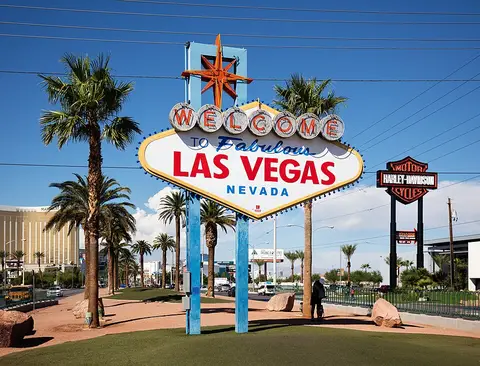
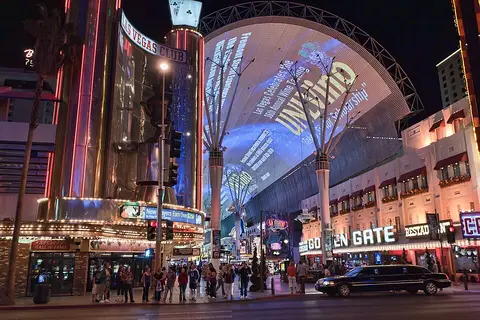
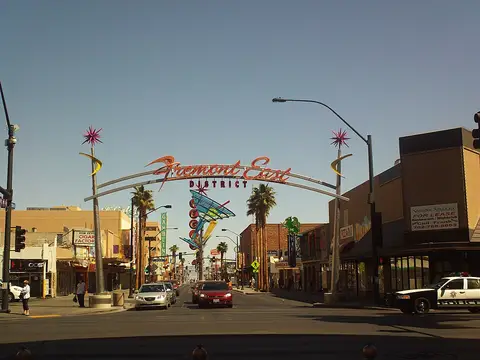
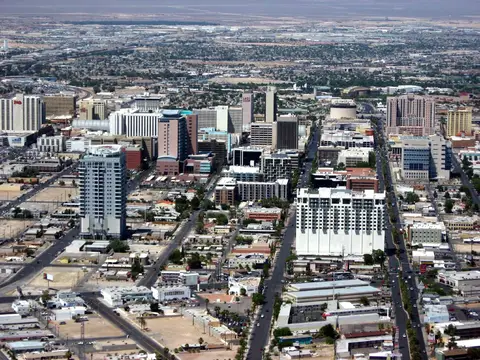
The famous Las Vegas Strip actually lies outside the city limits, in the unincorporated towns of Paradise and Winchester; Spring Valley and Enterprise are also part of this sprawling urban area, while Henderson and North Las Vegas are cities in their own right. Along the Strip you'll find themed resorts such as the Bellagio with its fountain show, the Venetian with its canals and gondolas, and the Egyptian-themed Luxor. In the evening, you can catch Cirque du Soleil shows, residency concerts by major stars, and the Sphere, a spherical arena wrapped in a giant LED screen that opened in 2023. Downtown, around Fremont Street, the old Las Vegas lives on with neon signs and a canopy light show; the Neon Museum collects retired illuminated signs. With the Raiders and the Golden Knights, the city now has professional sports teams as well.
Attractions in Nevada Beyond the Strip
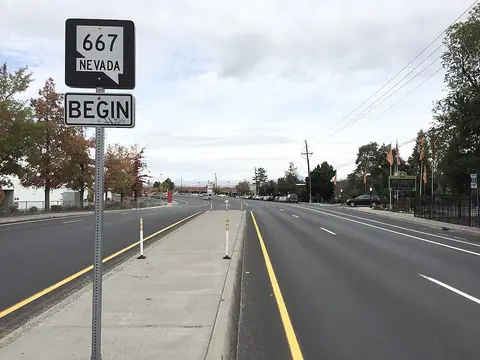
Just half an hour from Las Vegas, Red Rock Canyon National Conservation Area offers climbing cliffs and hiking trails. Valley of Fire State Park impresses with blazing red sandstone and petroglyphs. Hoover Dam, on the Arizona border, holds back the Colorado River to form Lake Mead and was an engineering marvel when it was completed in 1936. In the east, Great Basin National Park protects ancient bristlecone pines, which can live more than 4,000 years, as well as Lehman Caves. Highway 50 through the interior is known as the "Loneliest Road in America"; old mining towns such as Austin and Eureka lie along it. Virginia City, where the Comstock silver lode was discovered in 1859, has preserved its wooden sidewalks and saloons. Every summer, the Burning Man festival takes place in the Black Rock Desert.
Reno and Lake Tahoe
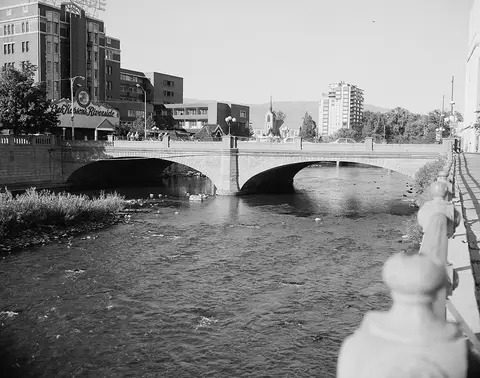
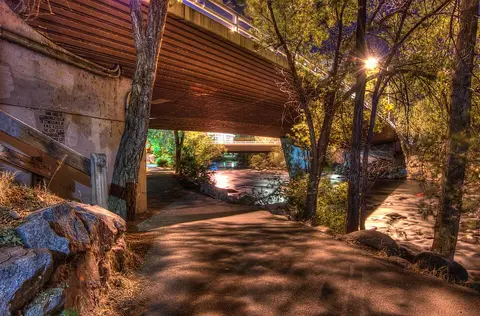
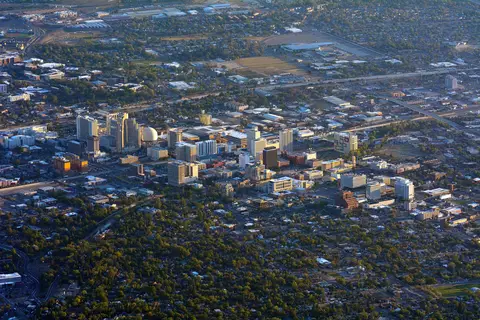
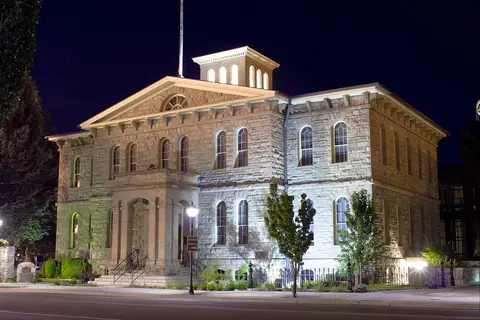
Reno calls itself "The Biggest Little City in the World" and was long Nevada's gambling capital before Las Vegas overtook it. Today the city is much more diverse, with a riverside park along the Truckee River and festivals such as Hot August Nights. Just under an hour away is Lake Tahoe, whose clear water offers visibility of more than 65 feet. In summer, people swim and sail there; in winter, they ski. Carson City, the small state capital, was named after the frontiersman Kit Carson.
Food and Drink
Las Vegas has grown into a culinary hub with restaurants from numerous top chefs, though the casinos' all-you-can-eat buffets are famous too. The north has a surprising Basque tradition: sheepherders from the Basque Country arrived in the 19th century, and restaurants in Elko, Winnemucca and Reno still serve lamb dishes at long family-style tables, along with the Picon Punch.
Best Time to Visit and Getting There
Spring and fall are the best times to visit; in summer, temperatures in Las Vegas often climb above 100°F, while nights in the desert can turn bitterly cold. Harry Reid International Airport (LAS) in Las Vegas is one of the busiest in the U.S., and Reno-Tahoe (RNO) serves the north. You'll need a car for excursions; on long desert stretches, make sure to carry plenty of water and gas.