Discover Tampa: Riverwalk, Ybor City, and the Cubano
Travel guide · editorialSilver minarets above the Hillsborough River, roosters strolling freely through the streets of Ybor City, and pirates who "conquer" the city once a year – Tampa has more character than many people expect. A trip to Tampa combines Florida's Gulf Coast with Cuban-Spanish history, a lively waterfront promenade, and short distances to white-sand beaches. Mild winters and plenty of sunshine make Tampa a great vacation destination.
Cigars, Railroads, and Pirates
In the late 19th century, the entrepreneur Henry B. Plant brought the railroad to Tampa and built the magnificent Tampa Bay Hotel with its Moorish domes, now part of the University of Tampa. In 1886, Vicente Martinez Ybor moved his cigar factory here from Key West, followed by Cuban, Spanish, and Italian workers, who made Tampa the "Cigar Capital of the World." The independence fighter José Martí came here to rally support for Cuba's freedom. Every January, the Gasparilla Pirate Festival commemorates a legendary pirate: a fleet sails into the harbor, followed by a huge parade.
Things to See in Tampa
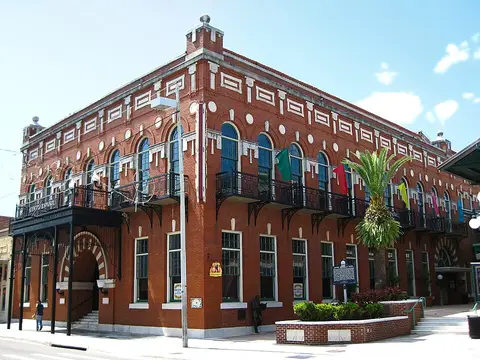
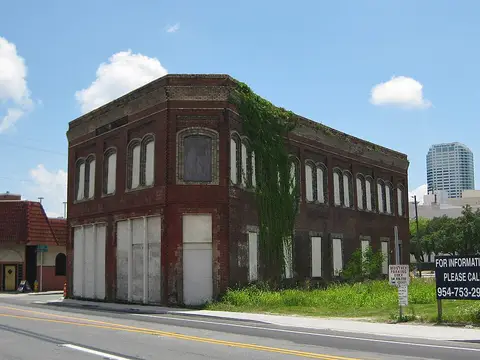
The Tampa Riverwalk stretches for several miles along the river, past parks, museums, and restaurants; at the Henry B. Plant Museum in the old hotel, you can experience the luxury of the turn of the century. Ybor City, a National Historic Landmark District, draws visitors with its brick factories, wrought-iron balconies, cigar rollers, and the Ybor City Museum State Park. The promenade along Bayshore Boulevard is considered one of the longest continuous sidewalks in the world. The Florida Aquarium, ZooTampa at Lowry Park, and the Busch Gardens theme park with its roller coasters and African animals are popular with families. The Tampa Museum of Art and the Glazer Children's Museum are right on the Riverwalk.
Eating and Going Out in Tampa
Tampa claims the Cuban sandwich as its invention – unlike in Miami, the version here includes Genoa salami, a legacy of Italian immigrants. At Florida's oldest restaurant, the Columbia Restaurant in Ybor City, founded in 1905, you'll find Spanish and Cuban cuisine along with flamenco shows. Deviled crab, fried crab croquettes, is a local specialty. Tampa's restaurant scene has recently developed most notably at Armature Works, a food hall in a former streetcar depot, and in the Seminole Heights neighborhood. In the evening, the bars on 7th Avenue in Ybor City and in the SoHo district on South Howard Avenue are popular, and Tampa craft beer has a great reputation nationwide.
Neighborhoods for Strolling
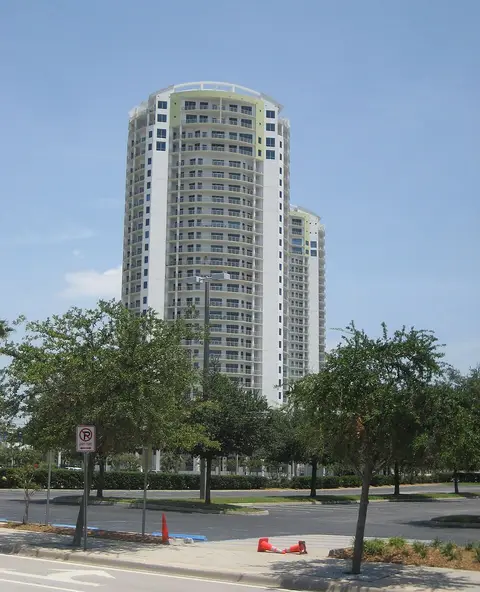
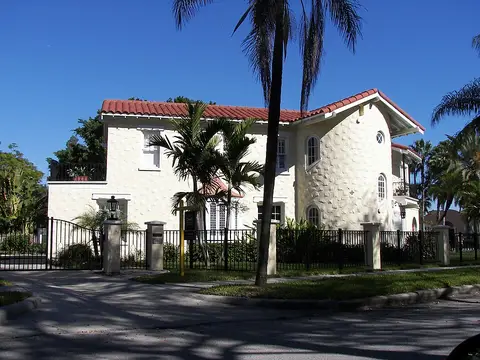
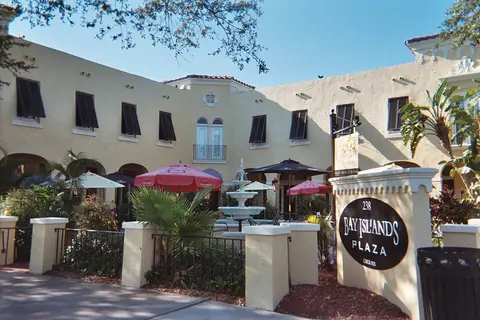
Hyde Park, with its bungalows and the Hyde Park Village shopping district arranged around well-kept squares, is one of the loveliest residential neighborhoods, while Seminole Heights to the north draws visitors with Craftsman houses, cafés, and restaurants in converted bungalows. The Channel District around the aquarium and the new Water Street Tampa neighborhood on the harbor show the modern face of the city, with high-rises, hotels, and green spaces. Davis Islands, just off Downtown, has a small airport, marinas, and a dog beach. For sunset, a walk along the Riverwalk to Curtis Hixon Waterfront Park is well worth it.
Getting Around, When to Go, and Day Trips
Tampa International Airport is considered one of the best-loved airports in the U.S. and is only about 15 minutes from Downtown. The free TECO Line Streetcar connects Downtown with Ybor City; for the beaches, you'll need a car. The best time to visit is between October and May; summer is hot and stormy, and hurricane season runs from June through November. Day trips lead to St. Petersburg with the Dalí Museum, to the beaches of Clearwater and St. Pete Beach, and to the manatees at Crystal River.