Discover Nashville: Honky-Tonks, the Opry and Hot Chicken
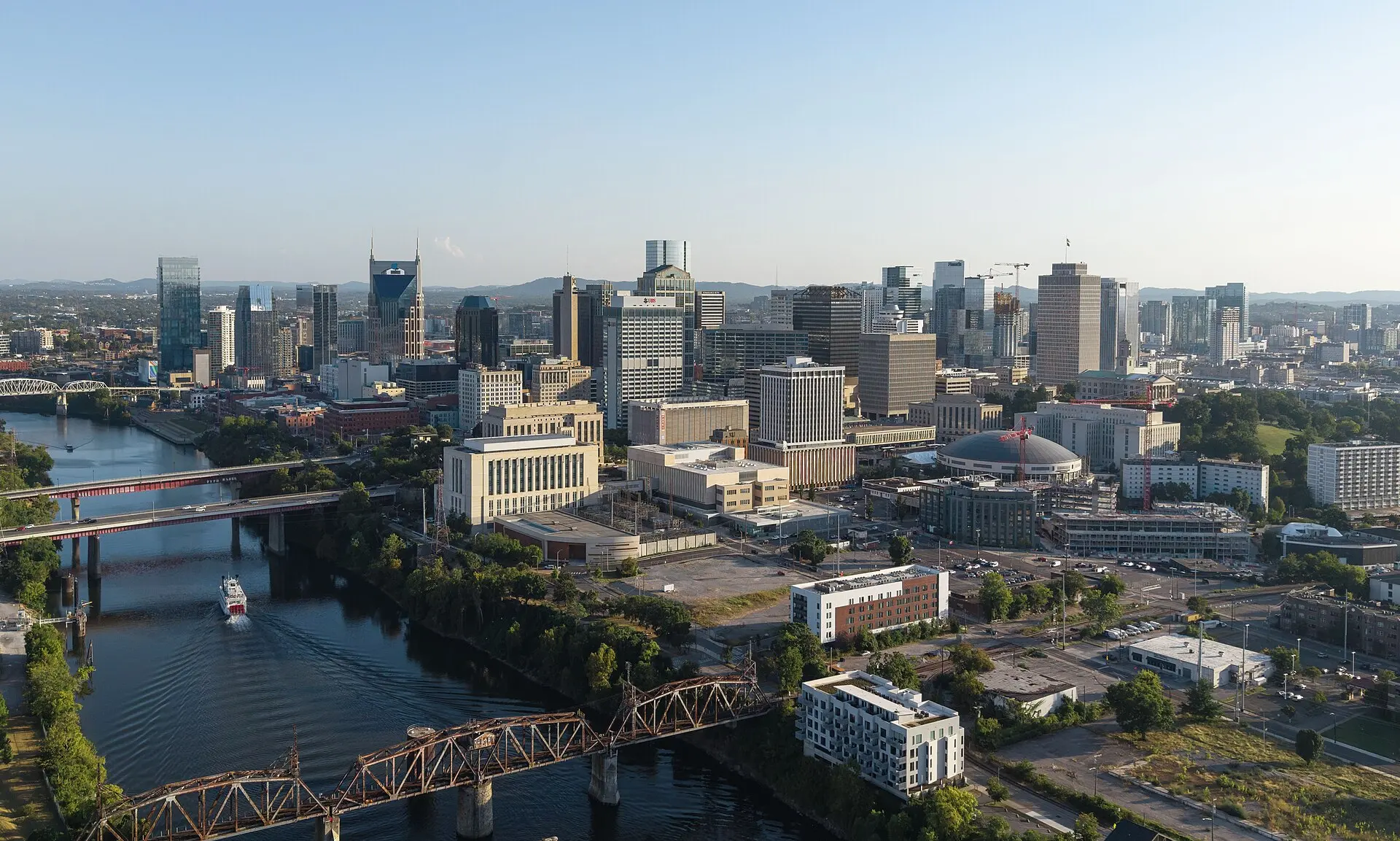
Travel guide · editorialBy lunchtime, guitar riffs and fiddle melodies are already blasting out of the honky-tonks on Lower Broadway, and by night nearly every bar has a band hoping to make it big one day. A trip to Nashville is a pilgrimage to the capital of country music – but also an excursion to a growing Southern city with fiery fried chicken and elegant neighborhoods. For a city break with music from morning to night, there are few better destinations.
How Nashville Became Music City
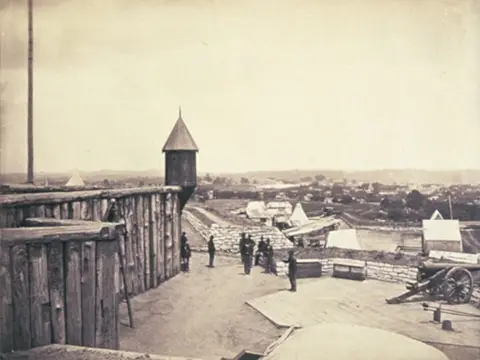
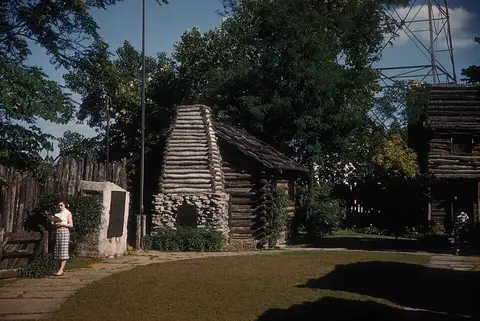
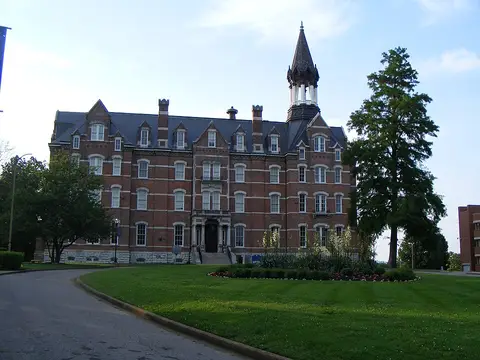
In 1779, settlers on the Cumberland River founded Fort Nashborough, named after a general of the Revolutionary War. The city became the capital of Tennessee in 1843 and was occupied early in the Civil War by Union troops. It owes the title "Music City" first of all to the Fisk Jubilee Singers, an African American choir that toured Europe in the 19th century. In 1925, the radio show "Grand Ole Opry" went on the air; it is still running today and made Nashville the center of country music. In the 1950s and 1960s, a network of studios and record labels grew up on Music Row, producing stars from Johnny Cash to Dolly Parton. Today Nashville is one of the fastest-growing cities in the U.S. and a popular destination for bachelorette and bachelor parties.
Things to See in Nashville
The Ryman Auditorium, a former brick church, was home to the Grand Ole Opry from 1943 to 1974 and is known as the "Mother Church of Country Music" thanks to its acoustics. Today the Opry plays at the Grand Ole Opry House east of the city, often returning to the Ryman in winter. Lower Broadway in Downtown Nashville is a mile of neon signs and honky-tonks with live music and no cover charge. In Centennial Park stands a full-scale replica of the Parthenon in Athens, complete with a 42-foot statue of Athena. The Tennessee State Capitol, Bicentennial Capitol Mall State Park and the John Seigenthaler Pedestrian Bridge with its view of the skyline round out the walking tour.
Museums and Music History
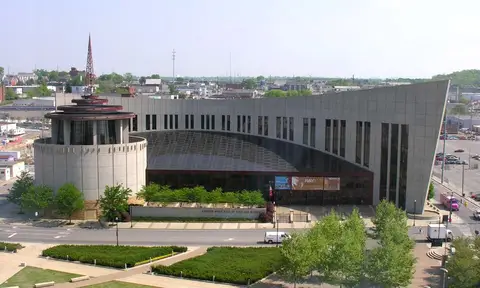
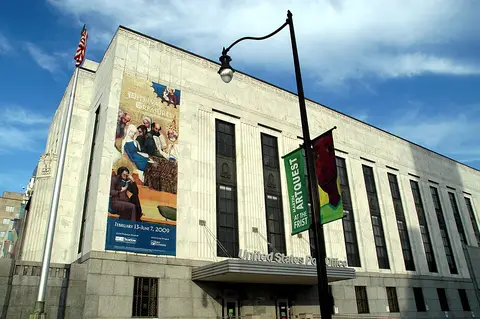
The Country Music Hall of Fame and Museum displays Elvis's golden Cadillac, guitars and stage costumes; tours depart from here to the historic RCA Studio B, where Elvis and the Everly Brothers recorded. The Johnny Cash Museum and the National Museum of African American Music, which tells the story of the Black roots of blues, gospel, jazz and hip-hop, are further highlights. At the Bluebird Cafe, a small venue in a strip mall, songwriters perform their songs in the round – many hits were first played here, and tickets go fast. The Frist Art Museum, housed in an Art Deco post office, offers rotating exhibitions.
Neighborhoods and Food in Nashville
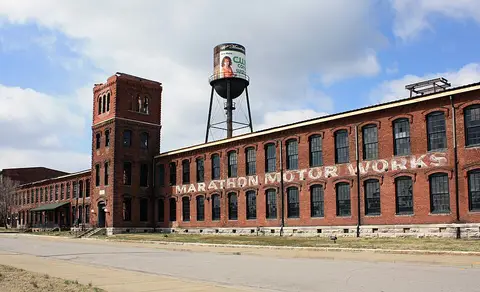
The Gulch, a former rail yard southwest of downtown, is now full of restaurants, boutiques and the famous angel wings mural. Germantown, founded by German immigrants, draws visitors with restored brick houses and some of the best restaurants in the city. East Nashville is considered the creative neighborhood, with bars and record stores; 12 South has boutiques and cafés; Wedgewood-Houston has galleries and breweries in old factories. The city's signature dish is Nashville hot chicken: fried chicken coated in a cayenne pepper paste, served on white bread with pickles – in heat levels from mild to barely edible. You'll also find meat-and-three restaurants, where you choose a meat dish with three sides such as mac and cheese, green beans or cornbread. Nashville's restaurants have evolved from simple Southern joints to fine dining.
Getting Around, When to Go and Day Trips
Nashville International Airport is about 15 minutes east of downtown, and buses and rideshares run to Downtown. WeGo buses cover the city, but many visitors get around on foot or by rideshare between Downtown, the Gulch and East Nashville. The best times to visit are spring and fall; in June the CMA Fest draws hundreds of thousands of country fans, and summer is hot and humid. Day trips lead to The Hermitage, President Andrew Jackson's plantation; to Franklin with its historic Main Street; to the Jack Daniel's distillery in Lynchburg; or to the Great Smoky Mountains.