Discover Jacksonville: Beaches, River, and Shrimp
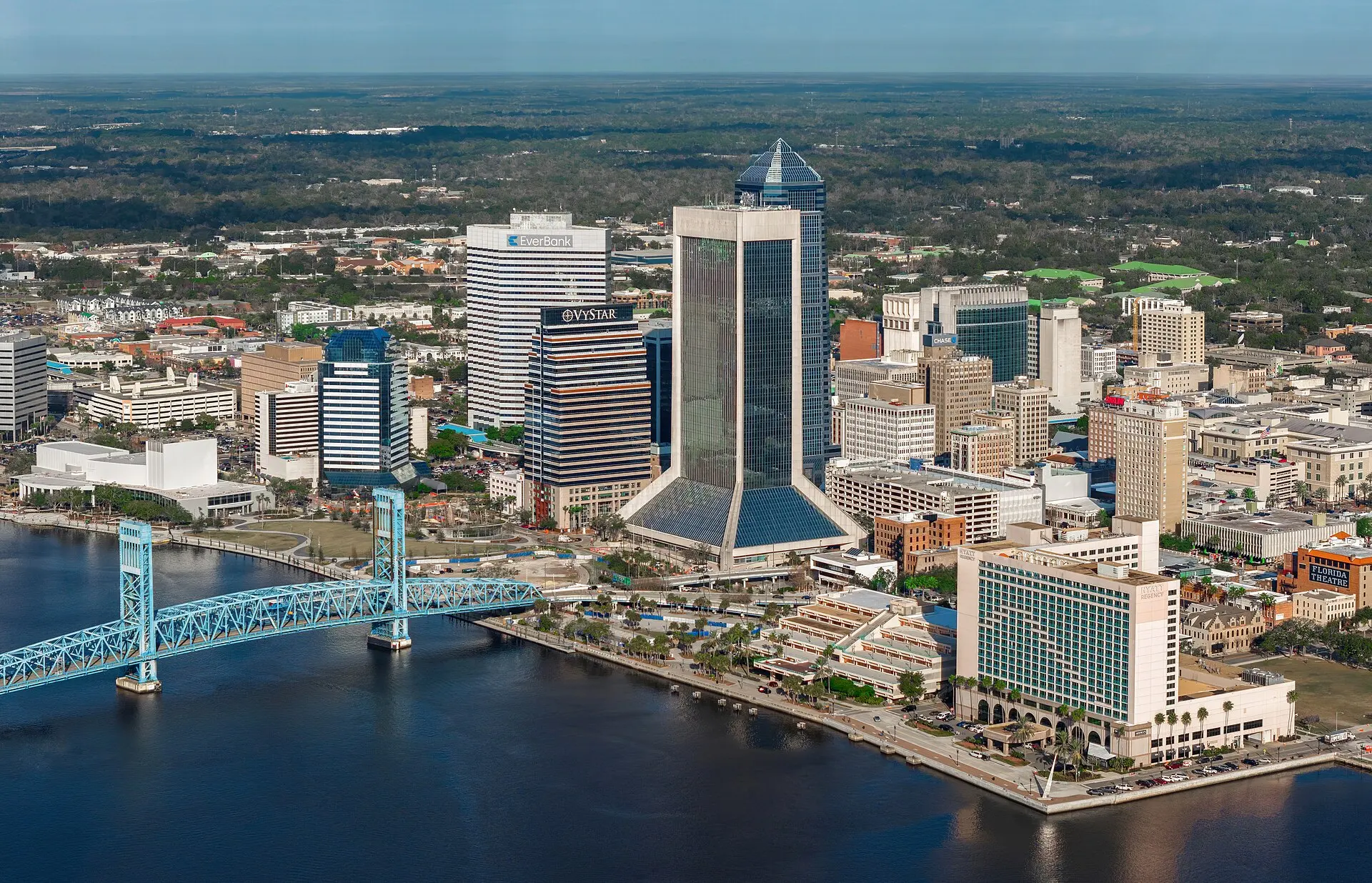
Travel guide · editorialBridges spanning the broad St. Johns River, miles of Atlantic beaches, and oaks draped in Spanish moss – Jacksonville is a big city that feels like a collection of small towns. A trip to Jacksonville takes you through historic neighborhoods, to fresh shrimp at the docks, and into a vast network of parks and nature preserves. A vacation in Jacksonville pairs perfectly with nearby St. Augustine, the oldest city in the U.S.
French, Spanish, and a Great Fire
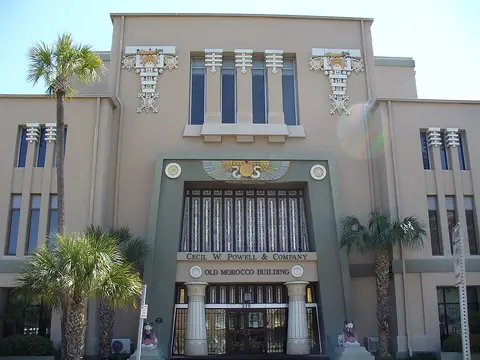
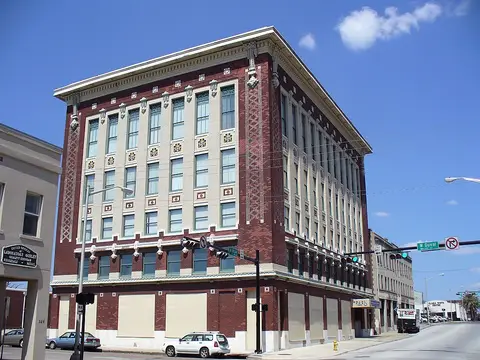
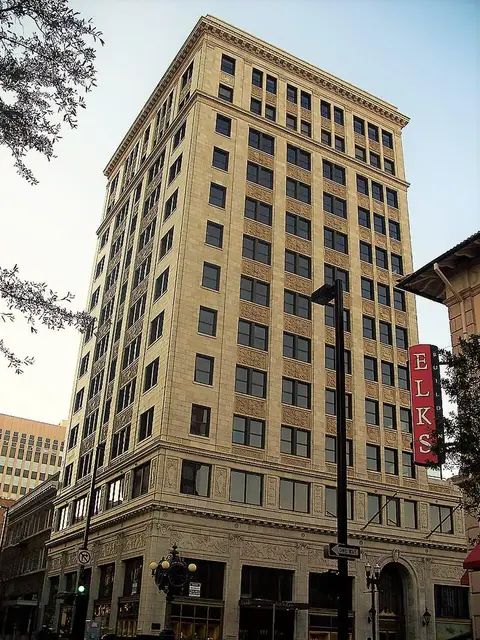
As early as 1564, French Huguenots built Fort Caroline on the St. Johns River before the Spanish drove them out. The present-day city was founded in 1822 and named after Andrew Jackson, the first military governor of Florida. At the end of the 19th century, Jacksonville was a popular winter resort, until the railroad carried the wealthy farther south. In 1901, a great fire destroyed large parts of downtown, and many buildings in the Prairie style went up during the rebuilding. In the 1910s, the city briefly served as a center of silent film production before Hollywood took over. In 1968, Jacksonville merged with Duval County, making it the largest city in the U.S. by area outside Alaska.
Sights in Jacksonville
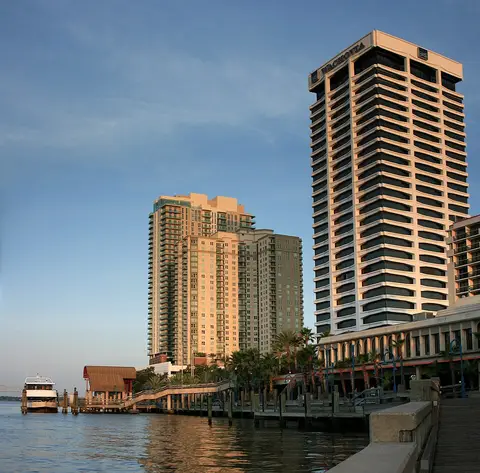
The Cummer Museum of Art and Gardens in the Riverside neighborhood shows European and American art and has magnificent gardens with ancient oaks along the river. The Riverwalk in Downtown and Southbank offers views of the bridges, especially the illuminated blue Main Street Bridge. The Timucuan Ecological and Historic Preserve includes salt marshes, a reconstruction of Fort Caroline, and Kingsley Plantation, one of the oldest surviving plantations in Florida, with the ruins of slave cabins. The Jacksonville Zoo and Gardens is one of the larger zoos in the Southeast. Football fans can catch a Jaguars home game, and the Museum of Science and History sits right on the Southbank Riverwalk.
Neighborhoods and Beaches
Riverside and Avondale, west of Downtown, are historic neighborhoods with bungalows, shops, and restaurants around the Five Points intersection; the Riverside Arts Market under the Fuller Warren Bridge is a popular Saturday gathering spot. San Marco on the south bank of the river draws visitors with Mediterranean architecture, a square with a lion fountain, and good restaurants. Brooklyn, on the edge of Downtown, has transformed from a working-class neighborhood into a modern district with cafés and apartments, while Brentwood, Englewood, and Loretto are quieter residential areas. On the Atlantic you'll find the beach towns of Atlantic Beach, Neptune Beach, and Jacksonville Beach, with a pier, surf schools, and beach bars. Hanna Park has dunes, lakes, and mountain bike trails just minutes from the ocean.
Eating in Jacksonville
Restaurants in Jacksonville thrive on seafood: Mayport shrimp, landed at the fishing harbor at the mouth of the St. Johns River, are considered especially sweet. Fried shrimp, fish tacos, and oysters at the bar are also typical. A local curiosity is the "Camel Rider," a pita sandwich with sausage and cheese that traces back to the city's large Arab American community. Datil pepper, a hot chili variety from nearby St. Augustine, spices sauces and stews. Craft breweries have settled in Riverside and at the beaches, which together form their own "Ale Trail."
Outdoors in Jacksonville
Jacksonville has one of the largest urban park systems in the U.S. Kayak tours through the salt marshes, dolphin watching on the St. Johns River, and fishing from the piers are part of everyday life. At Huguenot Memorial Park at the river mouth, you can drive your car onto the beach, and Little Talbot Island State Park offers pristine dunes and a beach strewn with weathered driftwood, known as Boneyard Beach.
Getting Around, When to Go, and Day Trips
Jacksonville International Airport is about 12 miles north of downtown. The city is very spread out, so a car is almost essential; the Skyway, a small elevated monorail in Downtown, and JTA buses only help in the center. The best times to visit are spring and fall. Summers are hot, humid, and stormy, and hurricane season runs from June through November. Day trips lead to St. Augustine with the Spanish Castillo de San Marcos, a good 40 minutes south, to Amelia Island with the Victorian town of Fernandina Beach, and to Cumberland Island National Seashore in Georgia, home to wild horses.