North Dakota: Wheat Fields, Badlands and the Missouri River
Travel guide · editorialHardly any state gets fewer visitors – and that's exactly what makes a trip to North Dakota so appealing: empty roads, an enormous sky and badlands you can have almost to yourself. Between the wheat fields in the east and the oil fields in the west lies a slice of unspoiled prairie America.
Landscape Between the Red River and the Little Missouri
In the east, the extremely flat Red River Valley forms one of the most fertile farming regions in the world; wheat, sunflowers, canola and sugar beets grow here. Heading west, the land rises across the Drift Prairie, with thousands of small lakes and wetlands that make up the "Prairie Pothole Region," one of the most important duck breeding areas in North America. The Missouri River is dammed to form the vast Lake Sakakawea. In the far west, the prairie breaks away into the badlands along the Little Missouri River.
Things to See in North Dakota
Theodore Roosevelt National Park commemorates the future president, who lived here as a rancher in the 1880s. You can watch bison, wild horses and prairie dog colonies from the Scenic Loop Drive; the Theodore Roosevelt Presidential Library is set to open in Medora in 2026. Near Washburn and Stanton, Fort Mandan and the Knife River Indian Villages recall the Lewis and Clark expedition and the earth lodge villages of the Mandan and Hidatsa. The International Peace Garden sits on the Canadian border. Along the Enchanted Highway toward the village of Regent, giant metal sculptures line the road, including a flock of geese and an angler with a fish, created by a local artist. The North Unit of Theodore Roosevelt National Park near Watford City is even more secluded than the South Unit and opens up sweeping views into the Little Missouri valley.
Cities and Towns
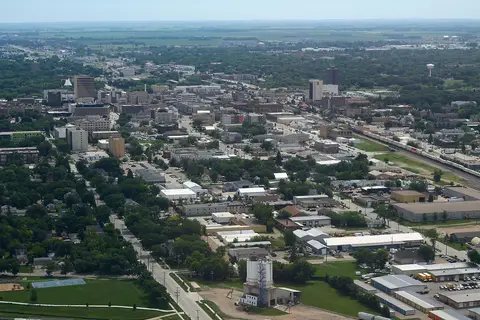
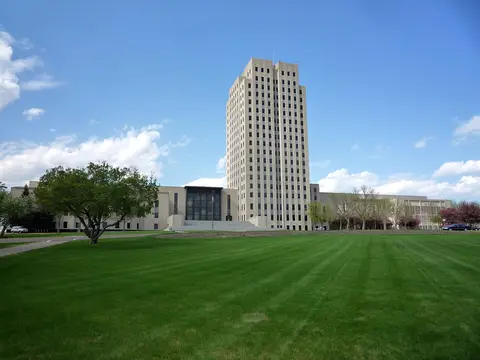
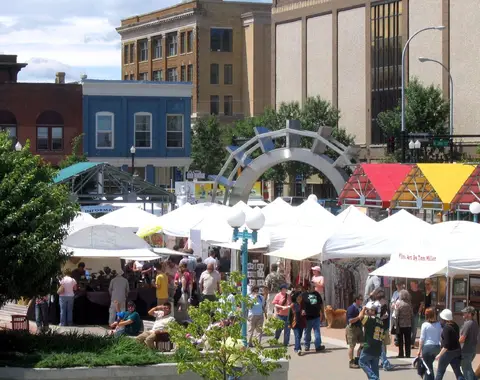
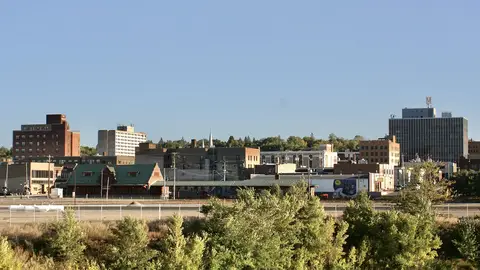
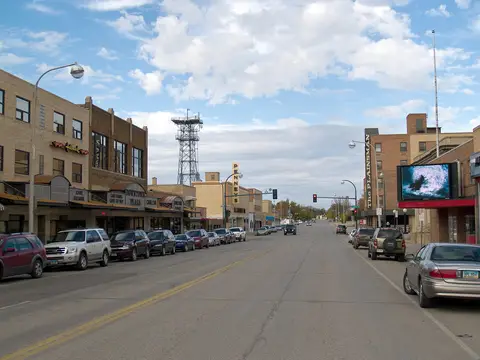
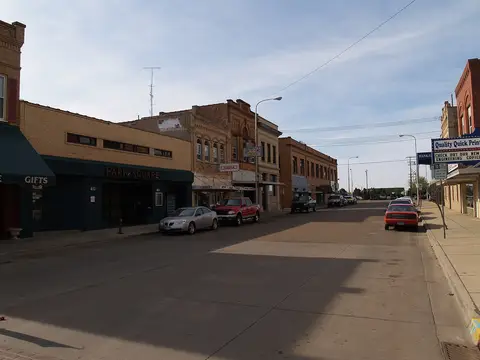
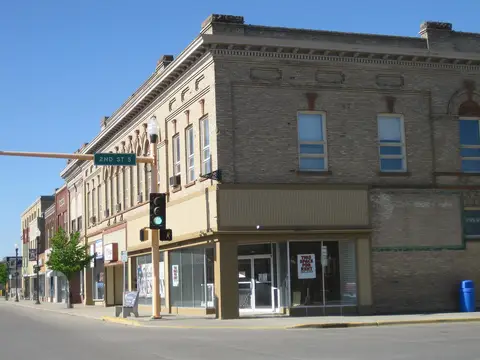
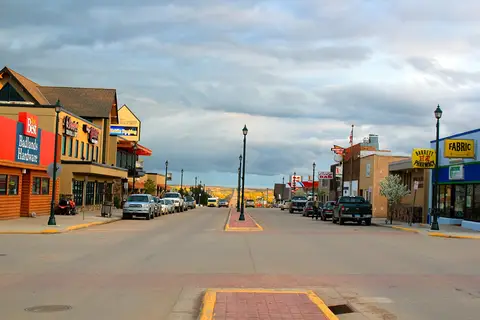
Fargo is the largest city, with a restored brick downtown, an arts scene and North Dakota State University; the Coen brothers' film of the same name, however, is set mostly in Minnesota. In the capital, Bismarck, the 19-story Art Deco Capitol towers over the plain, and the North Dakota Heritage Center displays dinosaurs and tribal history. Grand Forks on the Red River is a university town, and Minot celebrates the Scandinavian Norsk Høstfest every fall. Williston and Dickinson in the west grew rapidly with the oil boom in the Bakken Formation. In summer, Medora stages the open-air Medora Musical every evening; beforehand there's the "Pitchfork Steak Fondue," where steaks are cooked in hot oil on pitchforks.
Culture and Cuisine
Norwegian, German and German-Russian immigrants shaped the state; lefse, lutefisk and knoephla soup with potatoes and dumplings are on the menu at many diners. Add to that bison meat and "hotdish," a casserole served at community gatherings. The Lakota, Dakota, Mandan, Hidatsa, Arikara and Ojibwe nations hold powwows in summer, such as the large United Tribes Powwow in Bismarck in September.
Getting There and Best Time to Visit
Fargo and Bismarck have air connections via Minneapolis or Denver, and Interstate 94 crosses the state from east to west. The best time to visit is June through September; winters, with temperatures often below minus 13°F, are among the harshest in the U.S. In fall the badlands turn golden, and the night sky is exceptionally clear. If you have time, follow the Lewis and Clark Trail along the Missouri River north from Bismarck.