
Discover Washington, D.C.: Monuments, Museums, and Cherry Blossoms
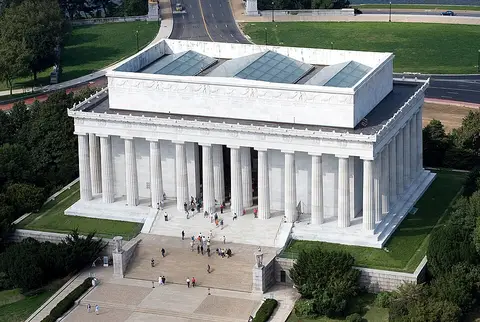
Travel guide · editorialOn the National Mall, American history lies open like a book: from the Capitol and the obelisk of the Washington Monument to the Lincoln Memorial, where Martin Luther King Jr. spoke of his dream in 1963. A trip to Washington is also worthwhile because most of the museums charge no admission. A city break in the U.S. capital combines high-stakes politics with lively neighborhoods, jazz, and international cuisine.<\/p>
A Capital Built from a Blueprint<\/h3>
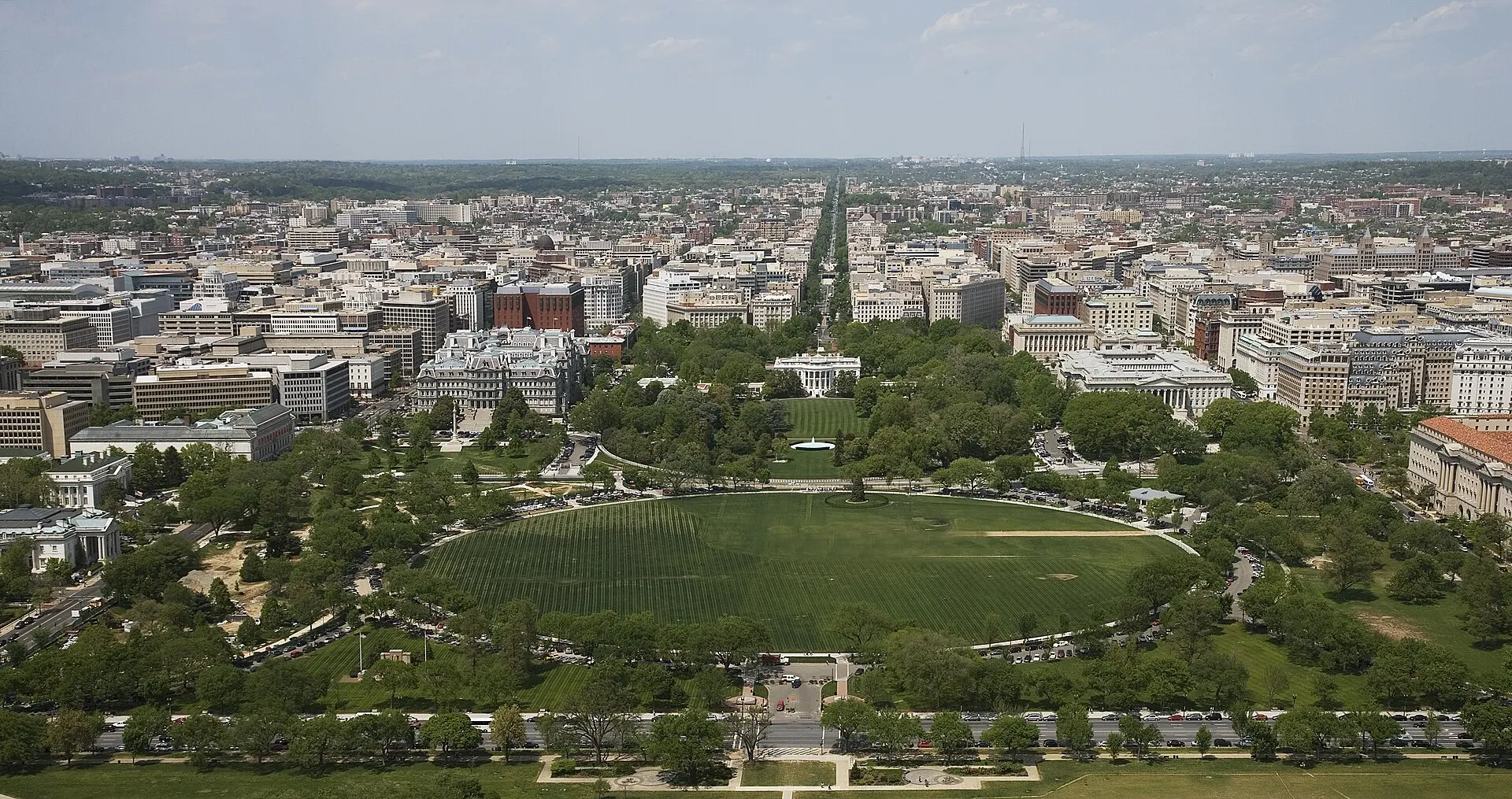
In 1790, Congress decided to build a new capital on the Potomac River, and George Washington himself chose the site. The French engineer Pierre L'Enfant drew up a plan with broad diagonal avenues, squares, and the grand axis of the Mall. In 1814, British troops burned down the Capitol and the White House, but both were rebuilt. The District of Columbia does not belong to any state, and its residents are still fighting for full representation in Congress. A building code limits building heights, which is why the skyline stays low and the Capitol remains visible from far away.<\/p>
Sights in Washington<\/h3>
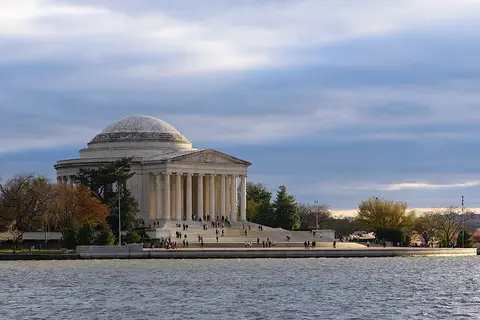
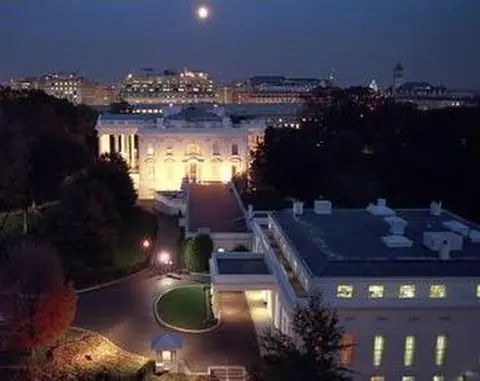
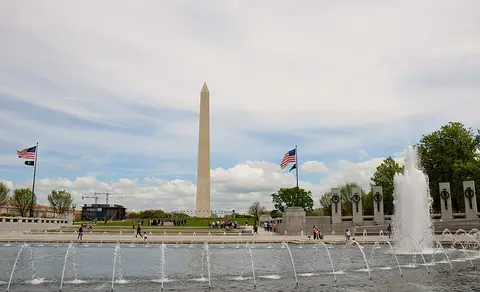
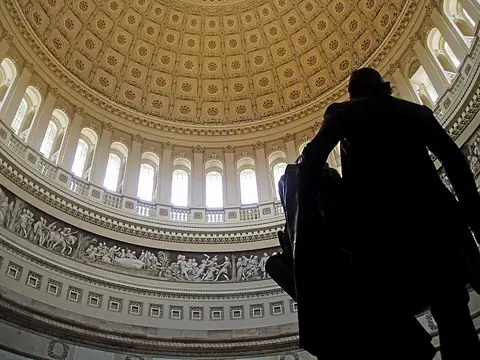
The National Mall stretches for three kilometers (about 1.9 miles) from the Capitol to the Lincoln Memorial. It's best to stroll it in the evening, when the monuments are lit up: the Washington Monument, the World War II Memorial, the black wall of the Vietnam Veterans Memorial with more than 58,000 names, the Martin Luther King Jr. Memorial, and the Jefferson Memorial on the Tidal Basin. You can tour the Capitol with a guide, as well as the Library of Congress with its magnificent reading room. The White House can usually only be seen from the outside; tours must be requested long in advance through a member of Congress or, for international visitors, through your embassy. Across the Potomac lies Arlington National Cemetery, with the grave of John F. Kennedy and the changing of the guard at the Tomb of the Unknown Soldier.<\/p>
Museums: The World of the Smithsonian
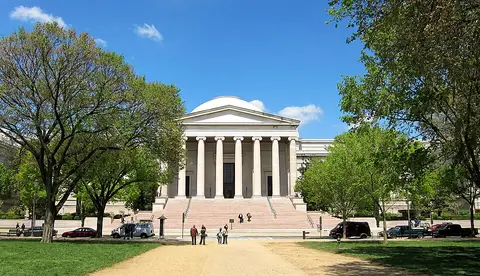
The Smithsonian Institution operates almost 20 museums around the Mall, all of them free. The National Air and Space Museum displays the Wright brothers' airplane and the Apollo 11 capsule, the Museum of Natural History shows the Hope Diamond and a huge mounted elephant, and the National Museum of African American History and Culture, with its bronze-colored facade, is among the most moving museums in the country. The National Gallery of Art houses the only painting by Leonardo da Vinci in the Americas. The United States Holocaust Memorial Museum is a powerful experience; a timed ticket is recommended for your visit.<\/p>
Neighborhoods Beyond the Mall
Georgetown, with its cobblestones, Federal-style houses, and the Chesapeake and Ohio Canal, is older than the capital itself. Dupont Circle is the neighborhood of embassies, bookstores, and the LGBTQ scene, with a farmers market on Sundays. On Capitol Hill, members of Congress and families live in row houses, and Eastern Market has been a popular gathering spot since 1873. Around U Street, once known as "Black Broadway" and where Duke Ellington grew up, as well as Logan Circle/Shaw, you'll find a concentration of jazz clubs, bars, and restaurants. Downtown and the Golden Triangle are dominated by offices and hotels, while the waterfront at The Wharf and Navy Yard is a new nightlife district on the river.<\/p>
Eating in Washington
Washington's restaurants reflect its international population. The Ethiopian community is one of the largest outside Africa, and you'll find injera with lentils and meat mainly around Shaw. A local classic is the half-smoke, a spicy sausage topped with chili, which people have been eating at Ben's Chili Bowl on U Street since 1958. Blue crabs and crab cakes from nearby Chesapeake Bay are part of the picture too. Union Market on the edge of NoMa is a popular food hall, and the cocktail bars around Logan Circle are busy in the evenings.<\/p>
Getting Around, When to Go, and Day Trips
Reagan National Airport is only a few Metro stops from downtown; international flights usually land at Dulles, which has been connected by the Silver Line since 2022, or at Baltimore-Washington. Metrorail is clean and reliable, and you can explore the Mall on foot or with rental bikes. The best time to visit is spring, when the cherry trees bloom around the Tidal Basin from late March to early April, a gift from Tokyo in 1912, or fall. Summer is hot and humid. Day trips lead to Mount Vernon, George Washington's estate, to Alexandria with its historic old town, to Annapolis, or to Shenandoah National Park.<\/p>