
Colorado: Rocky Mountains, Ski Towns, and the Mile High City
Travel guide · editorialColorado has more than 50 peaks above 14,000 feet, or about 4,270 meters, and no other U.S. state sits higher on average. A vacation in Colorado means powder snow in Aspen and Vail in winter, and in summer hiking trails above the tree line, hot springs, the cliff dwellings of the Ancestral Puebloans, and a state capital that sits exactly one mile above sea level.
Mountains, Plains, and Canyons
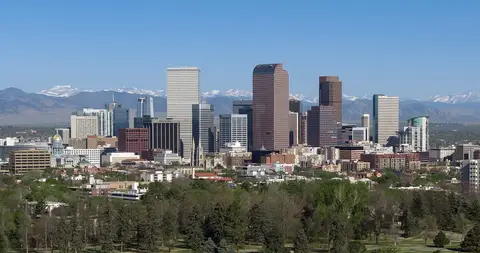
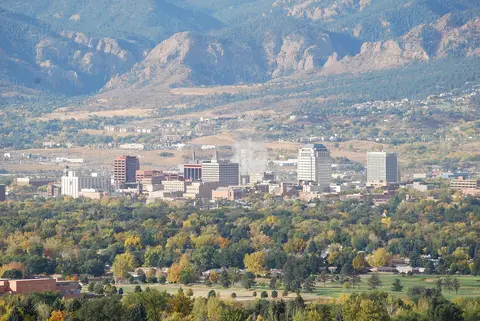
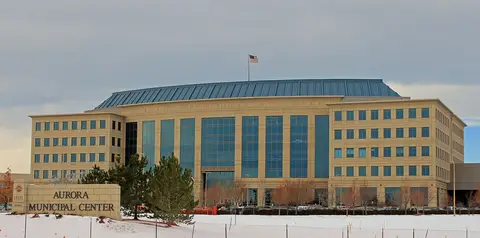
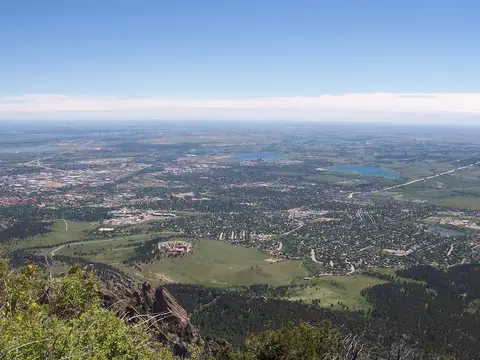
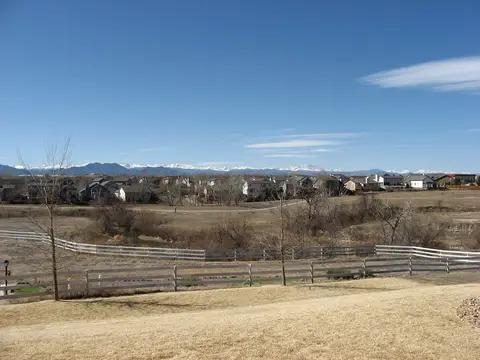
The Rocky Mountains divide Colorado from north to south. East of them, the Great Plains begin abruptly, flat farmland stretching all the way to Kansas, and along their edge lie the big cities. Denver, Aurora, Lakewood, Westminster, Boulder, Longmont, Fort Collins, and Colorado Springs line up along the so-called Front Range Urban Corridor. West of the Continental Divide, the Colorado River rises, and in the southwest the mountains give way to the red canyon country of the Colorado Plateau. In the San Luis Valley, the tallest sand dunes in North America tower against snow-capped peaks in Great Sand Dunes National Park.
Sights in Colorado
Rocky Mountain National Park near Estes Park is the classic: Trail Ridge Road climbs above 12,100 feet, making it one of the highest continuously paved roads in the U.S., and elk often graze right at the roadside. In Mesa Verde National Park in the southwest, cliff dwellings such as Cliff Palace stand in rock alcoves, built some 800 years ago. The Black Canyon of the Gunnison is so narrow and deep that some of its walls barely see the sun. Near Colorado Springs, the red sandstone spires of the Garden of the Gods rise from the ground, and a road and a cog railway lead up 14,115-foot Pikes Peak. The historic narrow-gauge railroad from Durango to Silverton follows the Animas River through the San Juan Mountains.
Denver, Boulder, and the Mountain Towns
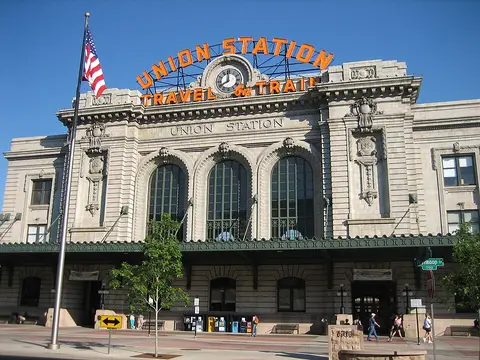
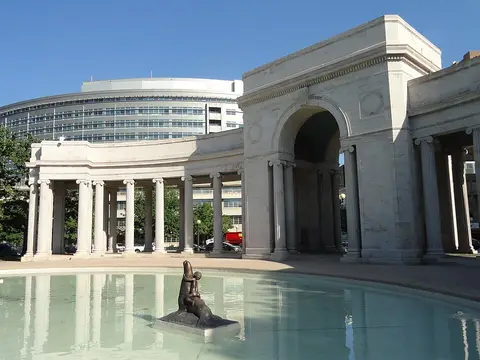
Denver has grown rapidly over the past two decades. The LoDo neighborhood around the restored Union Station, the RiNo arts district with its murals and breweries, and the Denver Art Museum with its jagged addition by Daniel Libeskind are good places to start. West of the city lies Red Rocks Amphitheatre, a concert venue set between two enormous sandstone monoliths. Boulder, a university town at the foot of the Flatirons, is considered one of the most athletic cities in the country. Fort Collins is known for its breweries, Colorado Springs for the Air Force Academy. In the mountains, former silver-mining towns such as Aspen, Breckenridge, Telluride, and Crested Butte have turned into ski and summer resorts, with their Victorian main streets preserved.
History Between the Gold Rush and the Ski Boom
The Ute, Cheyenne, and Arapaho lived here before the Pikes Peak Gold Rush of 1858 drew tens of thousands of fortune seekers. In 1876, the hundredth year of independence, Colorado became a state and earned the nickname "Centennial State." After the silver price collapsed in 1893, many mining towns fell into decline. Their revival began after World War II, when veterans of the 10th Mountain Division, who had been trained in mountain warfare, founded ski areas such as Vail.
Food and Drink
Colorado is one of the pioneers of the craft beer movement; Denver hosts the Great American Beer Festival every year, and Golden is home to one of the largest breweries in the world. Typical local fare includes bison burgers, trout from mountain streams, lamb from the western part of the state, peaches from Palisade, and green Pueblo chiles, which are roasted by the roadside in late summer. A diner classic is the Denver omelet with ham, bell peppers, and onions.
Best Time to Visit and Getting Around
For hiking and high mountain passes, the best time to visit is from late June through September, when the roads are free of snow; in July and August, thunderstorms often roll in during the afternoon, so it's best to start early. In fall, the aspen forests turn golden yellow in late September. The ski season usually runs from late November to April. Denver International Airport (DEN), with its tent-like roof, is one of the largest hubs in the U.S., including with nonstop flights from Europe. You'll need a car for the mountains; in winter, expect traffic jams on weekends on Interstate 70 heading toward the ski areas. To get used to the altitude, spend your first night in Denver and drink plenty of water.