
Discover San Antonio: The Alamo, the River Walk, and the Missions
Travel guide · editorialA narrow river winds beneath cypress trees, one level below the street, through the heart of downtown, lined with cafés, mariachi music, and sightseeing boats. A trip to San Antonio blends Texan history with Mexican culture like no other city in the United States. A relaxed vacation in San Antonio is made even more appealing by the mild winter climate, the 18th-century missions, and the outstanding food.
Missions, Battles, and Cultures
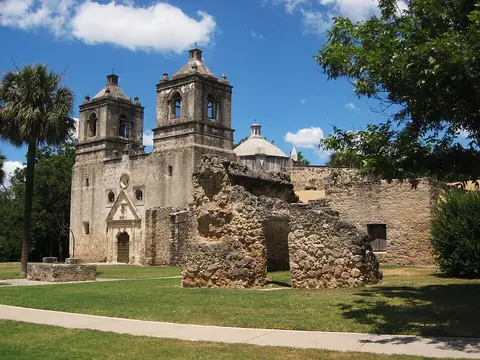
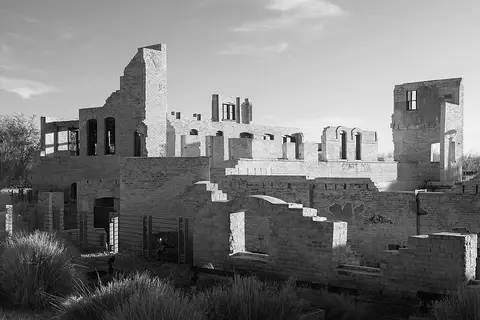
In 1718, Spanish Franciscans founded a mission and a presidio on the San Antonio River to secure the region for the Crown and convert the local population to Christianity. By 1731, four more missions had been built along the river, and together they are now a UNESCO World Heritage Site. The most famous of them, Mission San Antonio de Valero, became known as the Alamo: in 1836, Texan rebels, including Davy Crockett and Jim Bowie, defended the fortress here for 13 days against the Mexican army under Santa Anna. They all died, but "Remember the Alamo" became the battle cry with which Texas won its independence just weeks later. German immigrants shaped the King William District in the 19th century, and Mexican families have shaped the city ever since—more than half of the residents have Hispanic roots.
Sights in San Antonio
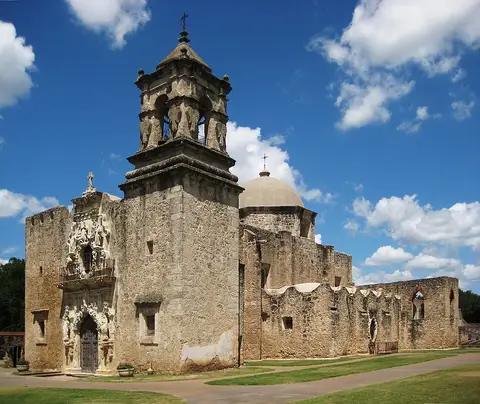
The Alamo in the middle of downtown is smaller than many people expect, but with its museum and the ongoing redesign of the plaza, it is a moving place to visit. Just a few steps away, the River Walk begins, a promenade built in the 1930s as a flood control and job creation project. Restaurants, hotels, and bridges line the downtown stretch, and you can easily cover the route on a Go Rio boat tour. To the north, the Museum Reach leads to the Pearl; to the south, the Mission Reach, a bike and walking path, leads to Missions Concepción, San José, San Juan, and Espada. San José in particular, the "Queen of the Missions," impresses with its rose window façade. Market Square, a Mexican market with handicrafts and live music, and San Fernando Cathedral, whose façade hosts an evening light show that tells the story of the city, round out your stroll.
Neighborhoods and Culture
The King William Historic District, with its magnificent mansions built by German merchants, borders Southtown, where galleries and breweries fill the artists' quarter around the Blue Star Arts Complex. The Pearl, a converted brewery, has become the city's favorite gathering spot, with food halls, a weekend farmers market, and the culinary school campus of the Culinary Institute of America. The San Antonio Museum of Art, housed in another old brewery, shows an important collection of Latin American art, and the McNay Art Museum presents modern art in a Spanish Colonial Revival mansion. Farther north, around Oak Park and Woodlawn Lake, you'll find quiet residential neighborhoods with parks, while to the northwest the South Texas Medical Center is practically a district of its own, with hospitals and hotels. In the south, Brooks, on the grounds of a former air force base, has developed into a new neighborhood.
Eating in San Antonio
San Antonio is considered one of the birthplaces of Tex-Mex cuisine. Puffy tacos, made with fried, puffed-up tortillas, are a local specialty, as are breakfast tacos with egg, chorizo, and potatoes, which you can get everywhere in the morning. Enchiladas, tamales, chili con carne—once sold here by the "Chili Queens" on the city's plazas—and barbecue are among the classics. The restaurants in San Antonio range from family-run taquerías on the West Side to creative cuisine at the Pearl; since 2021, the city has been a UNESCO City of Gastronomy. For dessert, try paletas, Mexican-style ice pops, or pan dulce from a panadería.
Getting Around, When to Go, and Day Trips
San Antonio International Airport is about 8 miles (13 kilometers) north of downtown. Downtown, with the Alamo, the River Walk, and King William, is easy to explore on foot; VIA buses and rental bikes widen your range, and for the missions, a bike along the river is ideal. The best times to visit are spring and fall; summer is very hot. In April, the city celebrates Fiesta San Antonio for ten days with parades and street festivals, and in December thousands of lights glow along the River Walk. Day trips lead into the Texas Hill Country, with German-influenced Fredericksburg and its wineries, to New Braunfels for tubing on the Guadalupe River, or to the caves of Natural Bridge Caverns.