Discover Philadelphia: Liberty, Murals, and Cheesesteak
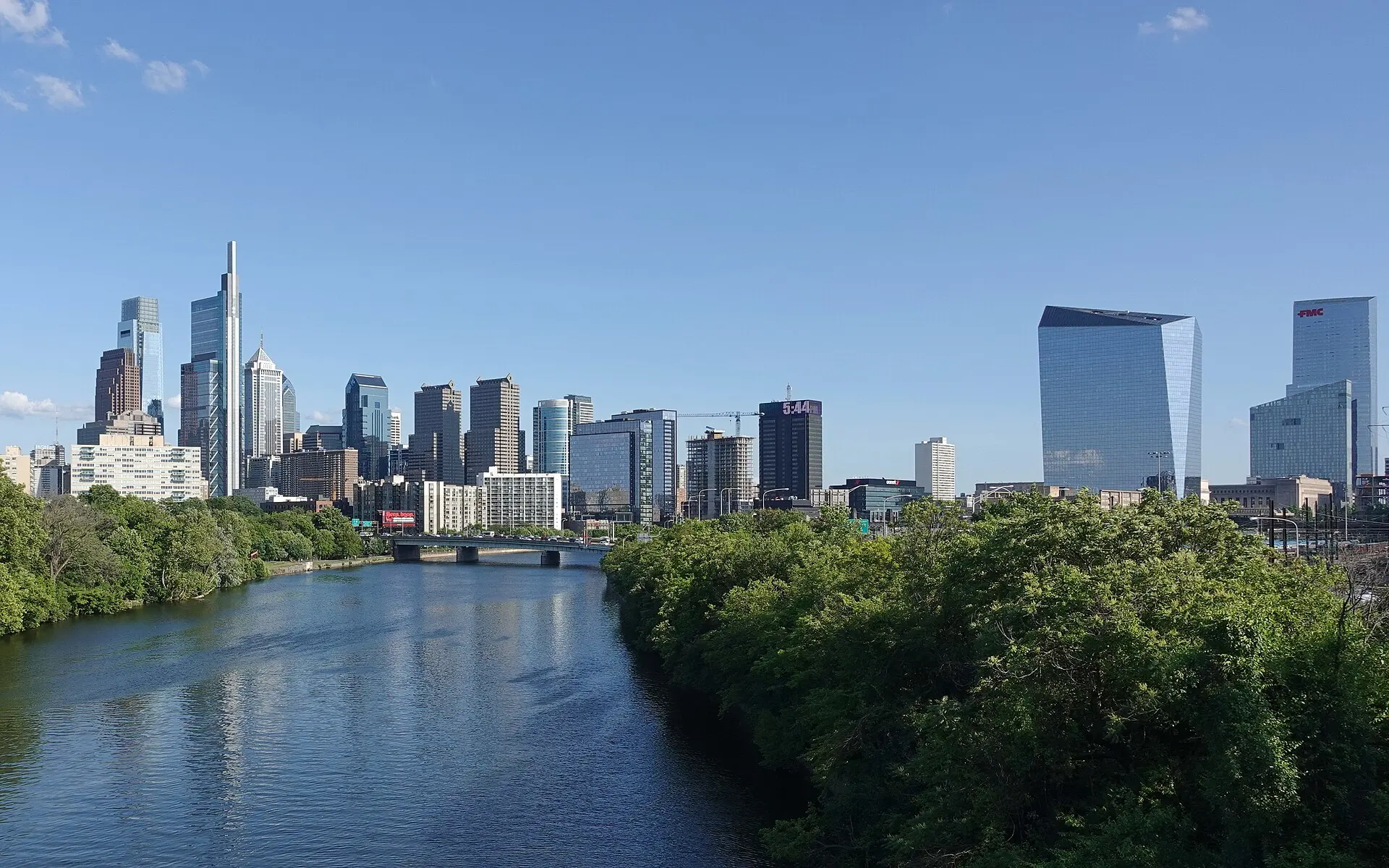
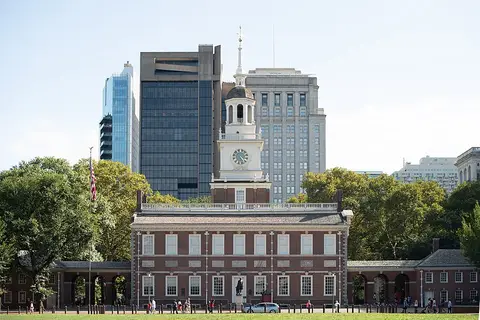
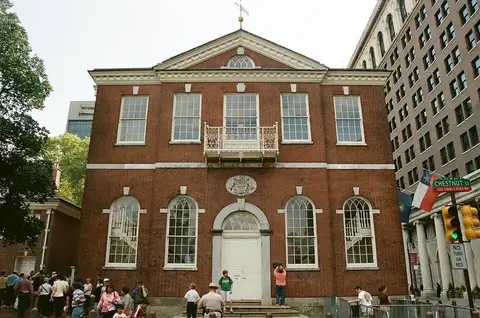
Travel guide · editorialIt was in a plain brick hall that the Declaration of Independence and the U.S. Constitution were adopted in 1776 and 1787 – Philadelphia is the birthplace of American democracy. But a trip to Philadelphia is more than a history lesson: the city has outstanding museums, thousands of murals, and a down-to-earth food culture. For a city break on the East Coast, perhaps combined with New York and Washington, "Philly" is ideal.
The City of Brotherly Love
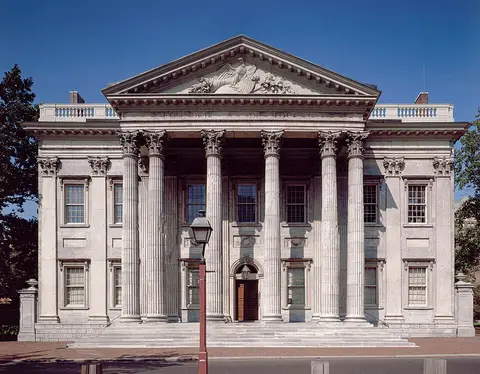
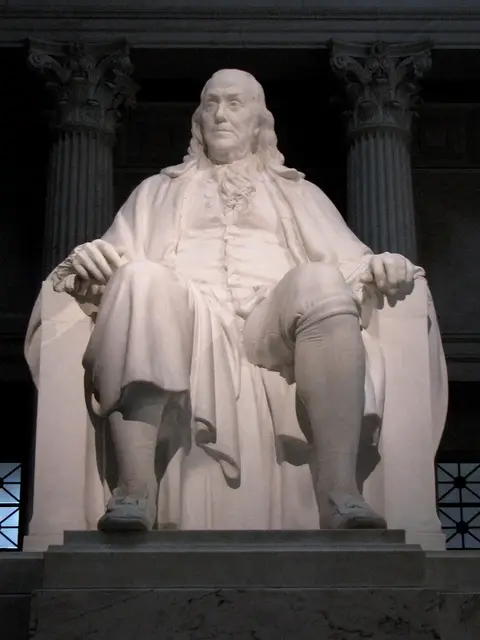
The Quaker William Penn founded Philadelphia in 1682 as a place of religious tolerance and gave it a Greek name meaning "brotherly love." His checkerboard city plan with five squares still shapes Center City today. In the 18th century, Philadelphia was the largest city in the colonies and the stage for the Revolution; Benjamin Franklin lived here, and for a time until 1800 it served as the capital of the United States. The 19th century brought its rise as an industrial center with textile, locomotive, and shipbuilding industries, and immigrants from Ireland, Italy, Germany, and Eastern Europe, along with African Americans from the South, filled the working-class neighborhoods. In 2026, the city was in the spotlight for the 250th anniversary of independence.
Sights in Philadelphia
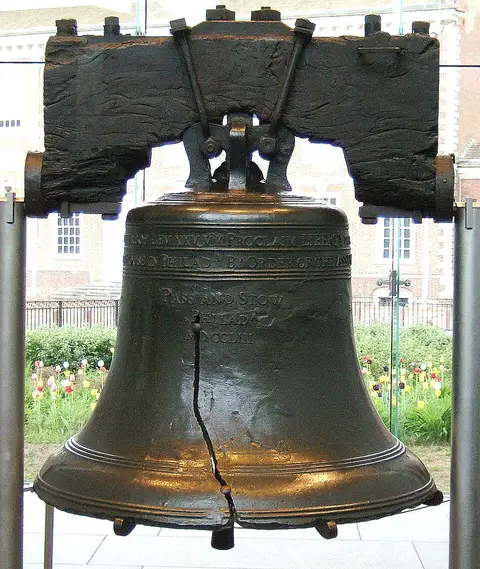
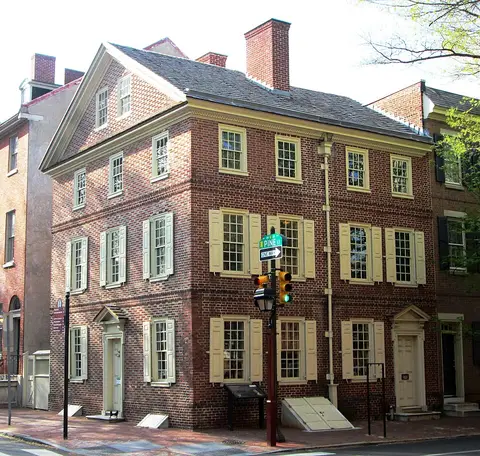
In Independence National Historical Park, the most important sites sit close together: Independence Hall, a UNESCO World Heritage Site, and across from it the Liberty Bell with its famous crack. The Museum of the American Revolution and the National Constitution Center bring the era vividly to life. Elfreth's Alley, one of the oldest continuously inhabited streets in the U.S., is lined with small 18th-century brick houses. City Hall, topped by a statue of William Penn, was once the tallest building in the world and has an observation deck. Reading Terminal Market, a food hall dating from 1893, is a must for every visitor, as is a stroll through Rittenhouse Square and along the Schuylkill River Trail.
Museums and Murals
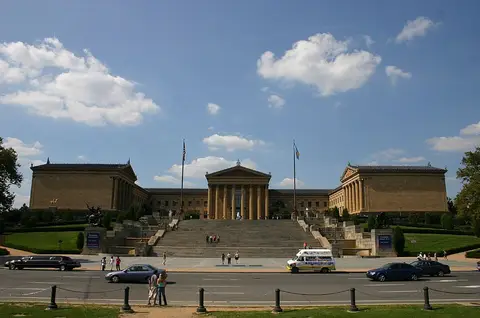
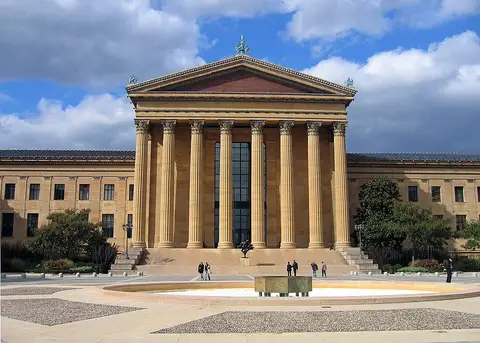
The Philadelphia Museum of Art – for some time now also called simply the "Philadelphia Art Museum" – is among the major art museums in the U.S.; even better known, however, are the steps out front that Sylvester Stallone ran up in "Rocky," along with the bronze statue at the bottom. Farther along the Benjamin Franklin Parkway you'll find the Barnes Foundation with its enormous collection of Renoir, Cézanne, and Matisse, the Rodin Museum, and the Franklin Institute. Eastern State Penitentiary, a Gothic Revival prison where Al Capone also served time, is now an impressive museum. With more than 4,000 murals, Philadelphia is considered the mural capital of the U.S.; the organization Mural Arts offers tours. Philadelphia's Magic Gardens on South Street, a labyrinth of mosaics, make a great photo stop.
Neighborhoods: From Center City to South Philly
Center City includes Old City with its galleries and bars, Rittenhouse with its elegant boutiques, and Washington Square West with the LGBTQ+ Gayborhood. South Philadelphia is the old Italian neighborhood, home to the Italian Market on 9th Street, one of the oldest open-air markets in the U.S., which now also has a strong Mexican and Vietnamese character. West Philadelphia is home to the University of Pennsylvania and Drexel, while in the River Wards such as Fishtown and Northern Liberties, breweries, cafés, and music clubs have set up shop. Manayunk in the northwest draws visitors with steep streets and pubs along the canal.
Eating in Philadelphia
The cheesesteak – thinly sliced beef with onions and cheese on a long roll – is the emblem of the local cuisine; the rivals Pat's and Geno's on Passyunk Avenue have been battling it out for decades. Many locals, though, swear by the roast pork sandwich with broccoli rabe and provolone. Soft pretzels, water ice in summer, and Tastykake pastries are part of everyday life. The restaurants in Philadelphia have grown into one of the most exciting scenes on the East Coast, especially on East Passyunk Avenue and in Fishtown. Reading Terminal Market also offers Amish specialties from the surrounding countryside.
Getting Around, When to Go, and Day Trips
Philadelphia International Airport is connected to Center City by regional rail in about 25 minutes. Amtrak trains stop at the magnificent 30th Street Station; New York is a little over an hour away, Washington about two. Within the city, SEPTA runs subways, trolleys, and buses, but downtown is easy to explore on foot. The best times to visit are spring and fall; summer is muggy. Day trips lead to Valley Forge, to the Brandywine Valley with Longwood Gardens, and to Amish Country in Lancaster County.