




Discover New York: Skyline, Bagels, and Broadway
Travel guide · editorialThe first time you gaze out the window of a yellow taxi at the bridges spanning the East River, you instantly understand why a trip to New York is a lifelong dream for so many. A vacation in New York combines world-class museums, evenings on Broadway, and neighborhoods that feel like small towns of their own. Five boroughs, countless cuisines from around the globe, and a subway that never sleeps make the city the quintessential urban getaway.
From New Amsterdam to Global Metropolis
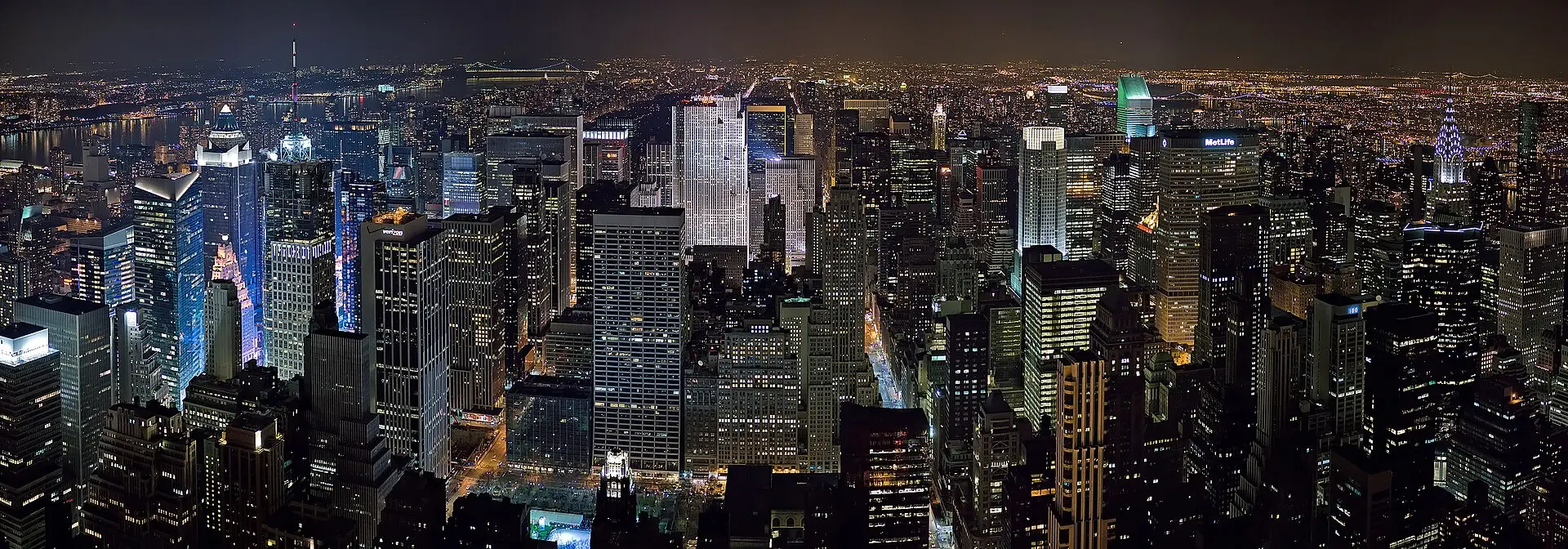
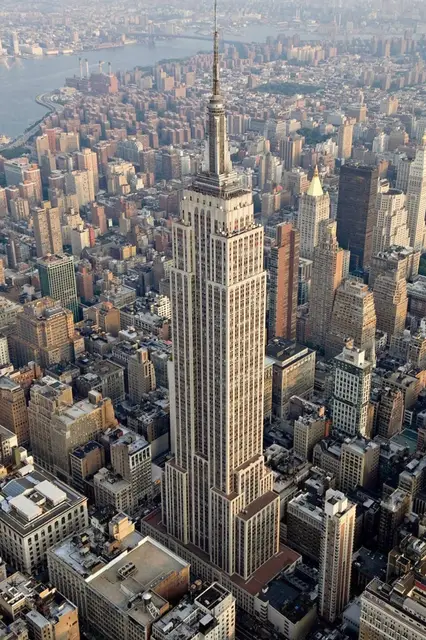
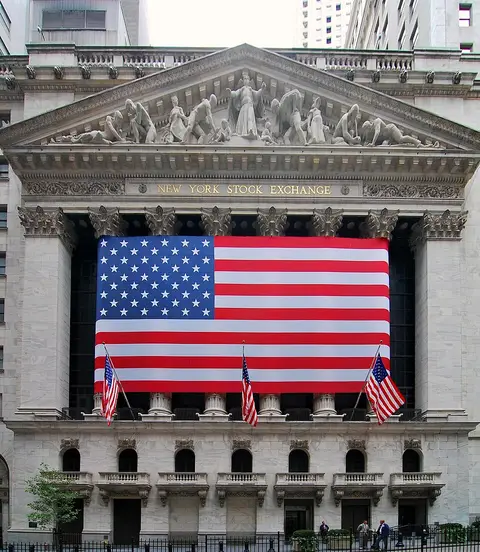
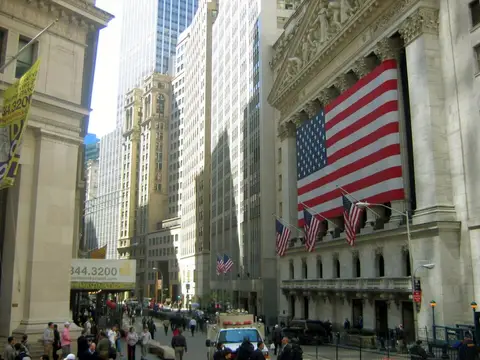
The story begins modestly: in 1624, Dutch merchants founded the trading settlement of New Amsterdam at the southern tip of Manhattan; in 1664 the English took over and renamed it after the Duke of York. Wall Street still recalls the wooden wall that protected the settlement. In the 19th century, millions of immigrants arrived via Ellis Island, and many stayed right here – the Irish, Italians, Germans, Eastern European Jews, and later Puerto Ricans, Chinese, and Dominicans. These layers still shape New York today. In 1898, Manhattan, Brooklyn, Queens, the Bronx, and Staten Island were united into a single city, and in the 20th century the skyline rose into the sky with the Chrysler Building and the Empire State Building. After the attacks of September 11, 2001, One World Trade Center was built at Ground Zero, today the tallest building in the Western Hemisphere, alongside the quiet memorial with its two reflecting pools.
Manhattan, Brooklyn, Queens: The Boroughs at a Glance
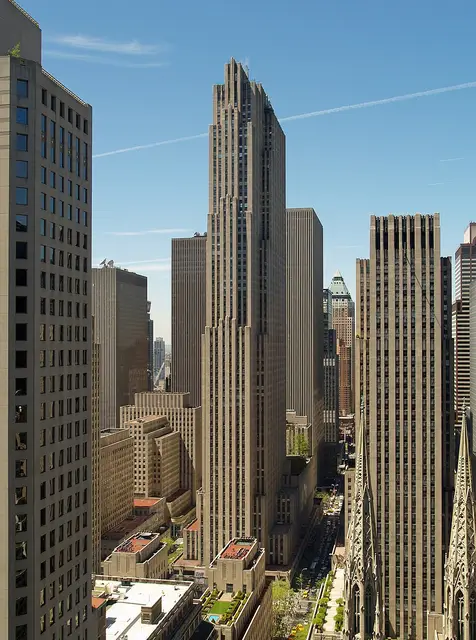
Manhattan is what most people picture: Midtown with Times Square and Rockefeller Center, the Upper East Side with its mansions, Greenwich Village with jazz cellars and brick townhouses, SoHo with cast-iron facades and boutiques, and the Lower East Side with bars in former tenements. Harlem to the north draws visitors with gospel services, soul food, and the legendary Apollo Theater. Brooklyn has long since grown from little brother to trendsetter: Williamsburg with rooftop bars and flea markets, DUMBO with its famous view of the Manhattan Bridge, and Park Slope with its brownstones and Prospect Park. Queens is considered one of the most diverse places in the world – in Flushing you can eat Chinese food as good as in Chengdu, in Jackson Heights Indian, Nepalese, and Colombian, and in Astoria Greek. The Bronx is home to Yankee Stadium, the Botanical Garden, and Arthur Avenue, probably the city's most authentic Little Italy. And you can reach Staten Island on the free ferry, which passes close by the Statue of Liberty along the way.
New York Sights and Attractions
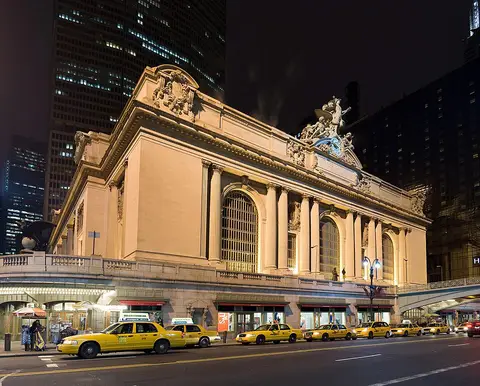
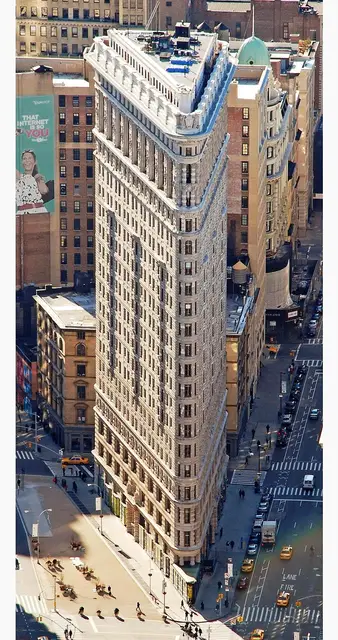
The classics are worth it if you plan them wisely. It's best to visit the Statue of Liberty and Ellis Island with its immigration museum early in the morning. For views from above, you can choose from the Empire State Building, Top of the Rock at Rockefeller Center, One World Observatory, and the glass-floored Edge at Hudson Yards. At a good 840 acres, Central Park is larger than many neighborhoods – Bethesda Terrace, Strawberry Fields, and the Reservoir are lovely destinations for a long stroll. Walking across the Brooklyn Bridge is a must, ideally heading toward Manhattan as the skyline grows before you. The High Line, an elevated railway turned park, leads through the Meatpacking District to Hudson Yards. Grand Central Terminal with its starry ceiling, St. Patrick's Cathedral, and the tip of the Flatiron Building round out the tour.
Museums and Broadway
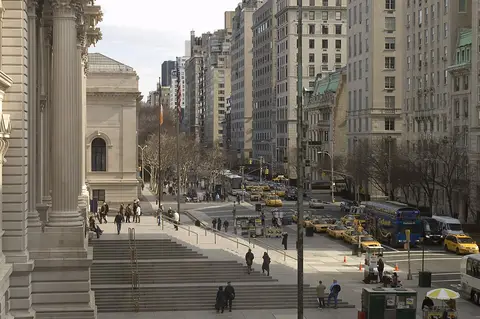
Hardly any city offers such a density of museums. The Metropolitan Museum of Art on Museum Mile spans five millennia of art history, from the Egyptian Temple of Dendur to Vermeer. MoMA shows van Gogh's "Starry Night" and Warhol's soup cans, while the Guggenheim impresses even before you step inside, thanks to Frank Lloyd Wright's spiral-shaped building. The American Museum of Natural History with its dinosaur skeletons is ideal with kids, the Whitney is devoted to American art, and the Tenement Museum tells the story of immigrants' everyday lives. In the evening, the Theater District beckons: around 40 Broadway theaters stage musicals and dramas, and you can find cheaper tickets at the TKTS booth in Times Square or through lotteries. If you prefer something more experimental, look for Off-Broadway venues in the Village or jazz clubs like the Village Vanguard.
Eating in New York: From Pizza to Pastrami
New York's restaurants literally cover the whole world. Typical favorites include the thin, folded pizza slice, the bagel with cream cheese and lox, the pastrami sandwich at a Jewish deli, cheesecake, and the hot dog from a street cart. In Chinatown you'll find dumplings and dim sum, and in Koreatown on 32nd Street, barbecue until late at night. Food halls like Chelsea Market or Essex Market on the Lower East Side are good places to sample a cross-section, and on weekends Smorgasbord in Brooklyn lures crowds with dozens of stalls. Going out is a discipline of its own in New York: speakeasy bars in the East Village, rooftop terraces in Midtown, craft beer in Brooklyn, clubs in Bushwick.
Getting Around New York
International flights usually land at JFK in Queens or at Newark in New Jersey; from JFK, the AirTrain connects to the subway and the Long Island Rail Road, and from Newark the AirTrain connects to trains to Penn Station. The subway runs around the clock, and you pay contactlessly by card or smartphone with the OMNY system; after a certain number of rides per week, riding becomes free automatically. Manhattan's grid makes it easy to explore on foot: avenues run north–south, numbered streets east–west. Since 2025, a congestion charge has applied to cars in lower Manhattan – one more reason to skip the rental car. Ferries like NYC Ferry connect Manhattan with Brooklyn and Queens and double as inexpensive harbor cruises.
Best Time to Visit and Day Trips
The best times to visit New York are spring and fall: in May the parks are in bloom, in October the leaves change color, and temperatures are pleasant. Summer is hot and humid, but it brings free concerts and Shakespeare in Central Park. December is expensive but atmospheric, with the Christmas tree at Rockefeller Center and decorated shop windows on Fifth Avenue; January and February are cold, but the cheapest time for hotels. For day trips, consider the Hudson Valley with the Dia:Beacon art center, the beaches of Coney Island and Rockaway, or a day in the Hamptons on Long Island. Philadelphia and Washington are also reachable by train in just a few hours.