
Discover Spain: Cities, Coasts, and Islands
Travel guide · editorialA vacation in Spain doesn't have to start at the beach, even though its coastlines long shaped the country's image abroad. Between the green hills of Galicia, the high plateau of Castile, and the patios of Andalusia lie worlds that differ markedly in language, cuisine, and rhythm of life. If you're looking for Spanish destinations away from the big resort strips, you won't have to look far.
Regions and Landscapes
Northern Spain is surprisingly green. In Galicia, Asturias, and Cantabria it rains often, but that means eucalyptus forests and pastures that reach all the way to the rugged cliffs, and in the Picos de Europa limestone peaks rise above 2,600 meters (8,500 feet). The Basque Country pairs wild bays with one of the best cuisines in Europe. Inland, the Meseta stretches out, a high plateau of wheat fields, windmills in La Mancha, and the castles that gave the region of Castile its name.
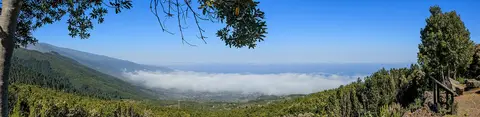
In the south lies Andalusia with the Sierra Nevada, where Mulhacén, the highest mountain on the mainland, reaches 3,479 meters (11,414 feet), just an hour's drive from the Costa del Sol. Along the Mediterranean, the Costa Brava, Costa Blanca, and Costa del Sol follow one another, with rocky coves in some places and long sandy beaches in others. Add to that the Balearic Islands with Mallorca, Menorca, Ibiza, and Formentera, as well as the Canary Islands off the coast of West Africa, where Mount Teide on Tenerife, at 3,715 meters (12,188 feet), is the highest peak in the country.
Madrid, Barcelona, and the Major Cities
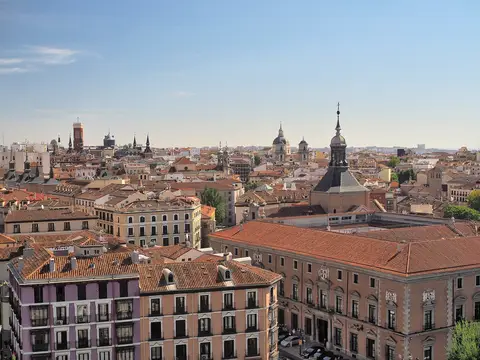
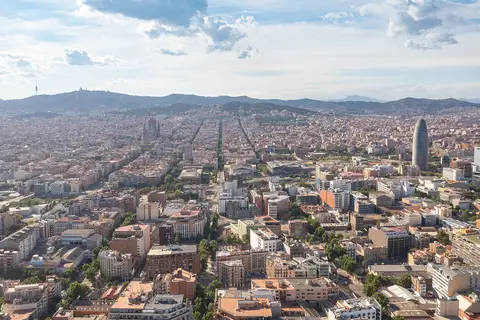
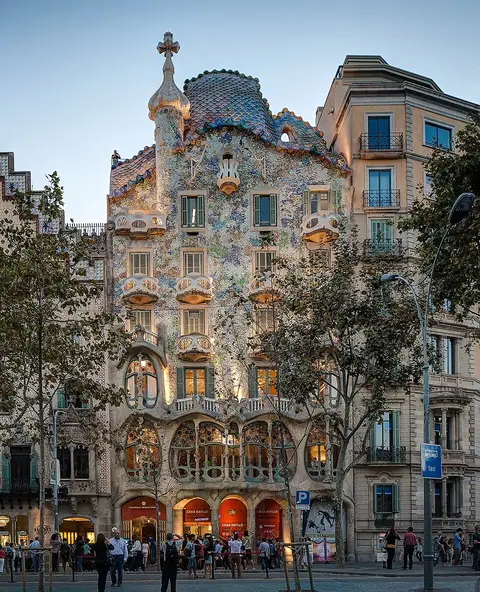
Madrid has no sea, but it does have an art triangle that is hard to match: the Prado, the Reina Sofía with Picasso's Guernica, and the Museo Thyssen-Bornemisza are all within walking distance of one another. In the evening, life moves to the tapas bars of La Latina and Malasaña, and hardly anyone eats dinner before 11 p.m. Barcelona thrives on its setting between sea and mountains, on the Gothic Quarter, and above all on Gaudí. The Sagrada Família, under construction since 1882, grows taller year by year and ranks among the most visited sights in Spain.
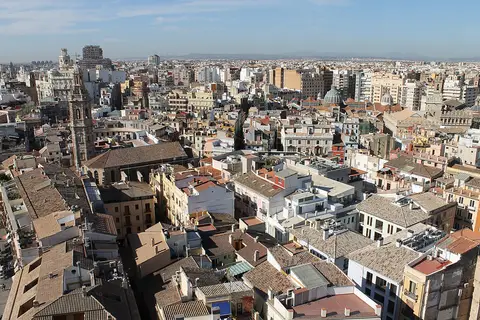
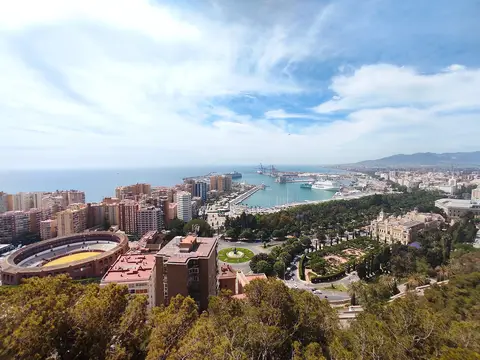
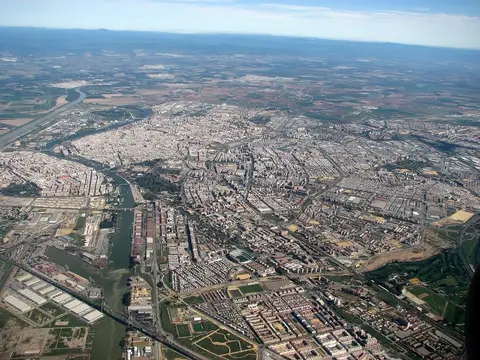
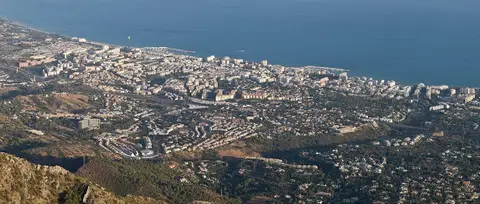
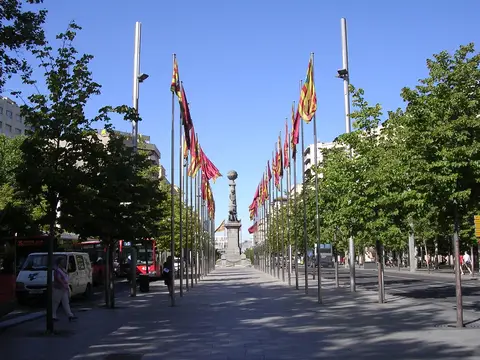
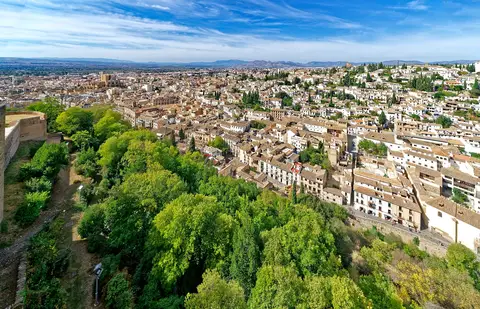
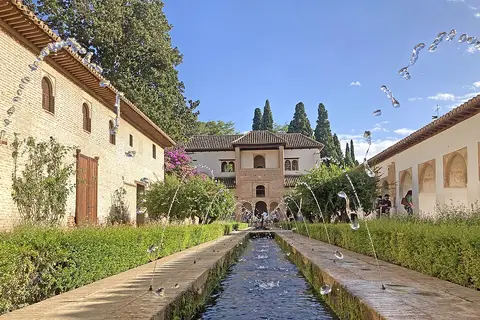
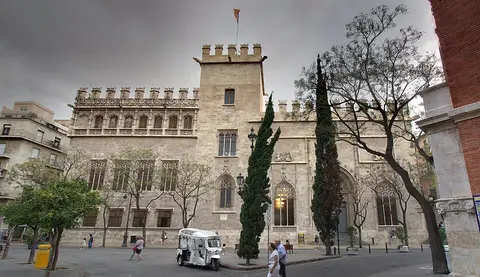
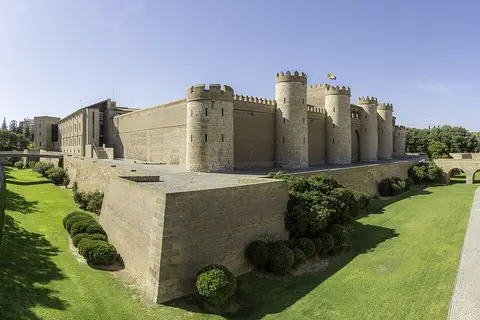
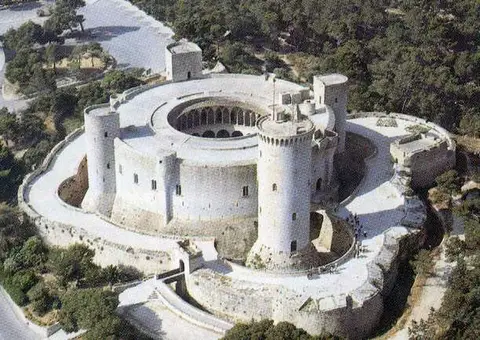
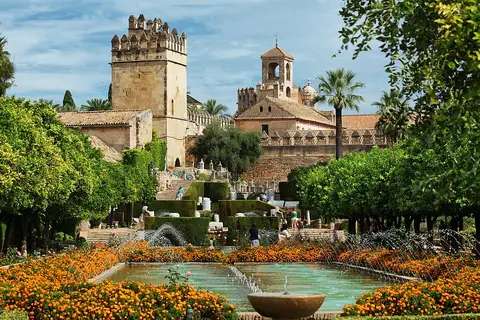
Valencia has reinvented itself with the City of Arts and Sciences and the Turia Gardens in the old riverbed, yet it remains the home of paella. Seville enchants with the Alcázar, the enormous cathedral, and the orange trees in the lanes of Santa Cruz. Málaga, Picasso's birthplace, has gone from a transit stop to a destination in its own right, with museums and a market hall. Palma de Mallorca with its cathedral, La Seu; Ibiza, with its party hub and its quiet countryside; Alicante with its Santa Bárbara Castle; glamorous Marbella; and Zaragoza with the Basilica del Pilar on the Ebro round out the picture. Granada with the Alhambra and Córdoba with the Mezquita belong on every list.
Culture and History
For almost 800 years, Moorish Al-Andalus shaped the south of the Iberian Peninsula, and you can still see it today in irrigation channels, tiles, courtyards, and place names that begin with Al-. After the Reconquista came the colonial empire, civil war, and dictatorship; since 1978 Spain has been a parliamentary monarchy with largely autonomous regions. With around 50 World Heritage sites, the country is among the world leaders, from the Cave of Altamira to the old town of Toledo.
Festivals play a big role. During Semana Santa, brotherhoods carry heavy pasos through Seville and Málaga; in March, towering figures burn in Valencia during the Fallas; in July, bulls run through the streets of Pamplona. In Andalusia, flamenco is not a show for tourists but a living art in peñas and small tablaos. The Camino de Santiago leads pilgrims from all over the world to Santiago de Compostela.
Food and Drink
Spanish cuisine is regional. In Valencia, a true paella contains chicken, rabbit, and green beans rather than seafood. Andalusia cools off in summer with gazpacho and salmorejo, and Galicia serves pulpo a la gallega with paprika and olive oil on wooden plates. In the Basque Country, pintxos line the bar counters of San Sebastián, small bites on bread that you pair with a glass of txakoli. Jamón ibérico from pigs that feed on acorns in the oak groves of Extremadura is almost a national treasure.
People drink Rioja and Ribera del Duero, dry sherry from Jerez in the south, and cava in Catalonia. Breakfast means churros with thick hot chocolate or pan con tomate. Mealtimes are late: lunch at 2 p.m., dinner from 9 p.m., often not until 10 p.m.
Getting Around Spain
Most visitors arrive by plane. Madrid-Barajas, Barcelona-El Prat, Málaga, Palma de Mallorca, and Alicante are the main hubs, and the Canary Islands are served by direct flights from many German cities. Within the country, the high-speed rail network is one of the longest in Europe: with the AVE and budget operators like Ouigo and Iryo, you can get from Madrid to Barcelona or Seville in about two and a half hours. Long-distance buses also reach smaller towns. For Andalusia's white villages, Galicia, or the Pyrenees, a rental car is worthwhile, and many highways are now toll-free.
Best Time to Visit Spain
The best time to visit Spain for road trips is spring and fall. In April and May the orange trees bloom in Andalusia and temperatures sit between 72 and 81°F (22 to 27°C); in October the sea is still warm. In July and August, the thermometer in Seville and Córdoba regularly climbs above 104°F (40°C), when the north and the coasts are more pleasant. Beach vacations in the Balearics and on the Costa Brava work from June to September. Thanks to their mild climate of around 68 to 75°F (20 to 24°C), the Canary Islands are a year-round destination and especially popular in winter. Skiers will find snow in the Sierra Nevada and the Pyrenees from December to March.