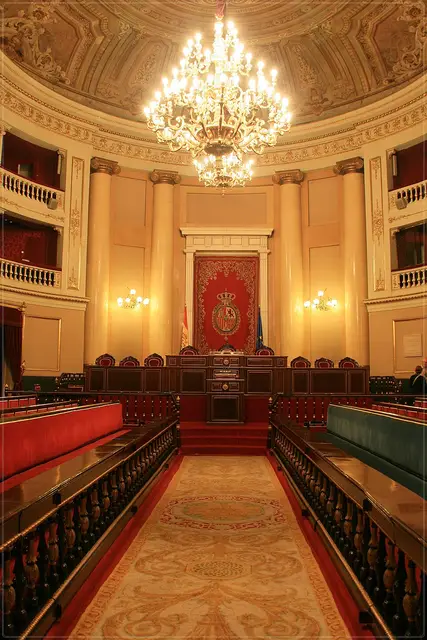
Discover Madrid: The Prado, Plazas, and Long Nights
Travel guide · editorialStand at Kilometer Zero on the Puerta del Sol for the first time and you'll quickly realize that Madrid doesn't run on clock time but on mood: lunch at three, dinner at ten, and only then does the night really begin. A city break in the Spanish capital pairs three of Europe's most important art museums with an everyday life that plays out largely on plazas, in bars, and on terraces. A few days are hardly enough for a Madrid vacation – but they're enough to get hooked.
From Moorish Outpost to Capital
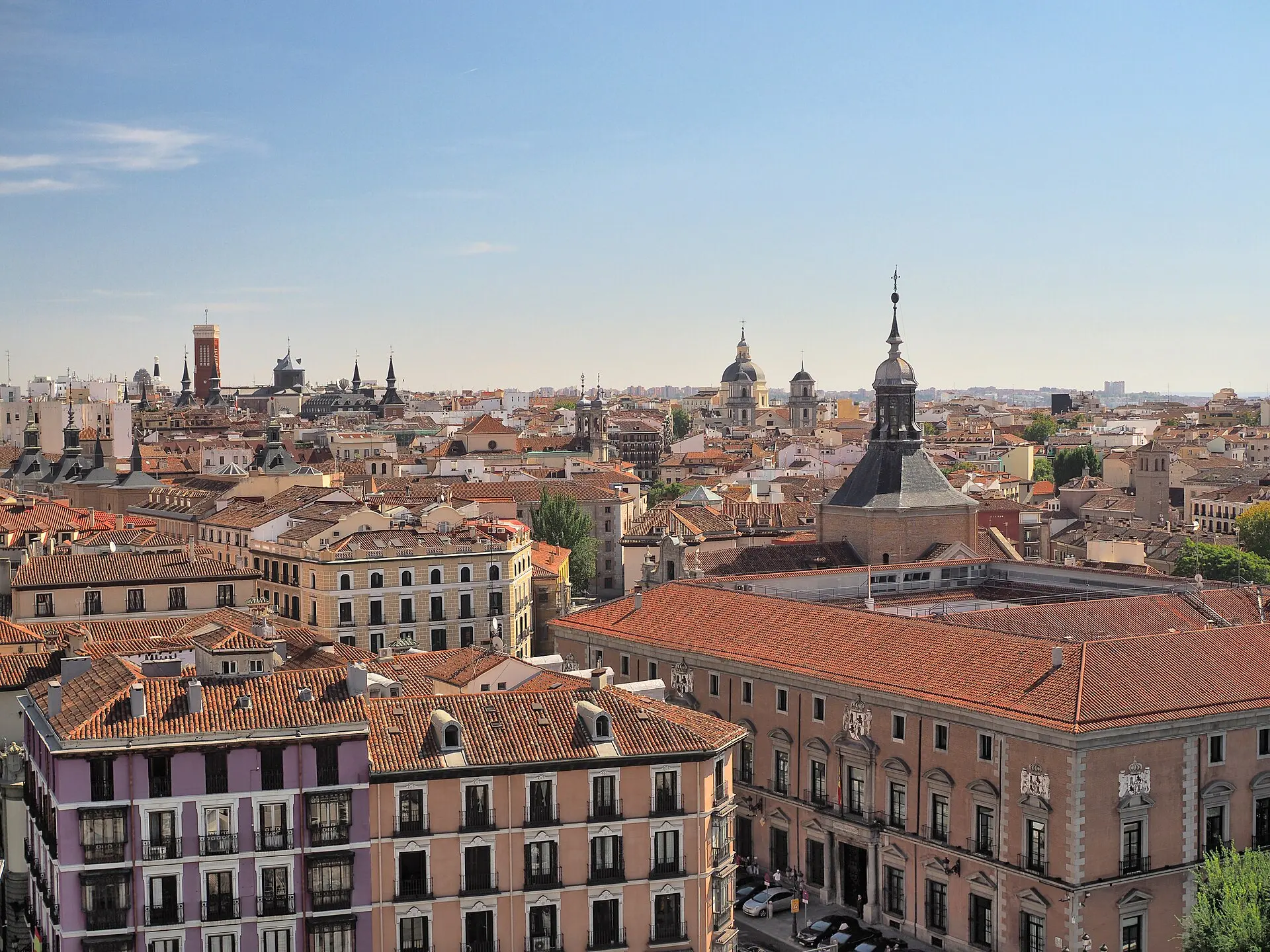
Madrid is a comparatively young capital. In the 9th century, the Moors built a fortress here called Mayrit, and remnants of its walls can still be seen near the Almudena Cathedral. It wasn't until 1561 that Philip II moved the court here permanently, probably because the location in the middle of the Iberian Peninsula was practical. Under the Habsburgs, the "Madrid de los Austrias" took shape, with the Plaza Mayor at its center; the Bourbons later added the enormous Royal Palace and the grand boulevards. The 20th century brought civil war, the Franco dictatorship, and, after 1975, the Movida, the wild cultural scene of the early 1980s associated with names like Pedro Almodóvar. The city still draws on that spirit of new beginnings today.
Sights in Madrid: From the Plaza Mayor to the Royal Palace
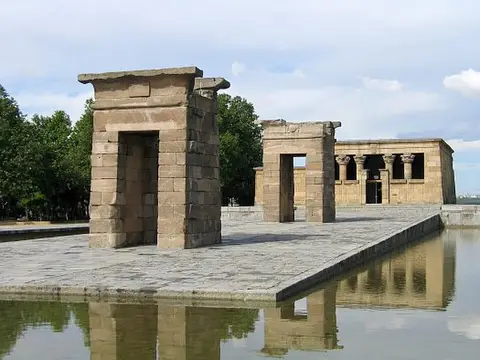
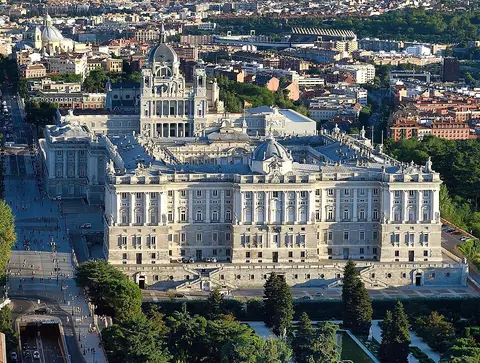
Madrid's classic sights are pleasantly close together and easy to link on foot. The Plaza Mayor, with its red-painted facades and arcades, was once the setting for bullfights, coronation celebrations, and Inquisition trials; today you can have a coffee under the arcades or pick up a bocadillo de calamares, the fried squid sandwich that counts as the city's unofficial dish. A few streets away stands the Royal Palace, with more than 3,000 rooms one of the largest palaces in Europe, still used for state occasions. Opposite is the Almudena Cathedral, whose construction wasn't completed until 1993. The best place to watch the sunset is the Temple of Debod, a genuine Egyptian temple that Egypt gave to Spain in the 1960s. And if you walk along the Gran Vía with its movie palaces and 1920s high-rises, you'll understand why Madrid likes to present itself as a metropolis.
Museums and Culture: The Golden Triangle of Art
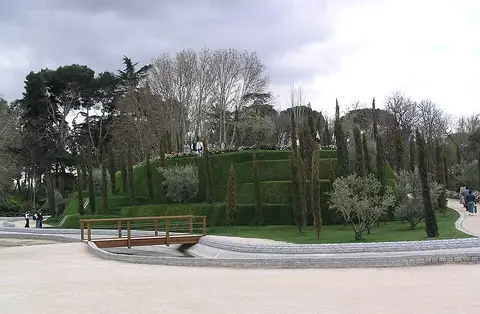
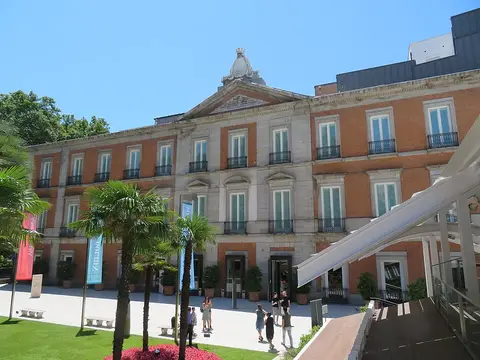
Along the Paseo del Prado, which has been a UNESCO World Heritage Site together with the Retiro Park since 2021, stand three museums that many people travel here specifically to see. The Prado shows Velázquez's "Las Meninas," Goya's Black Paintings, and Bosch's "Garden of Earthly Delights." The Reina Sofía holds Picasso's "Guernica," flanked by works by Dalí and Miró. The Thyssen-Bornemisza Museum fills the gaps in between, from Italian Primitives to Pop Art. If you plan smartly, take advantage of the free evening hours that the Prado and Reina Sofía offer on most days – though the lines are long then. Less well known but rewarding are the Sorolla Museum, in the painter's former home in Chamberí, and the Cerralbo Museum, a fully preserved 19th-century aristocratic palace. The Retiro itself, with rowboats on the big pond and the glass Crystal Palace, is Madrid's green lung and on Sundays one big family picnic.
Neighborhoods with Their Own Character
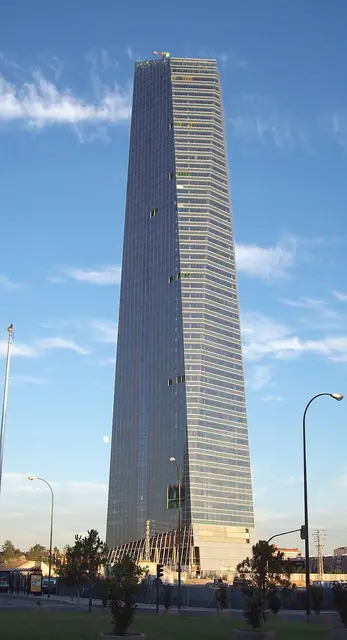
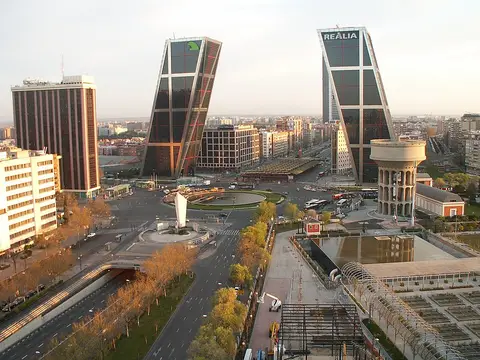
The Centro is more than a district – it's a patchwork of barrios. In La Latina, thousands crowd into the tapas bars of the Cava Baja on Sundays after the Rastro, the big flea market. Malasaña, once the heart of the Movida, is now full of vintage shops and craft beer pubs, while Chueca is the center of the LGBTQ+ scene and hosts one of Europe's biggest Pride celebrations every summer. Lavapiés, multicultural and a bit rough around the edges, draws visitors with Indian restaurants and small theaters. Salamanca is something else entirely: this 19th-century district with its right-angled streets is Madrid's elegant shopping address around Calle Serrano. Chamberí is considered the most authentic residential neighborhood, with markets, bodegas, and the disused ghost metro station you can visit. In the north, the Cuatro Torres skyscrapers tower over Chamartín and Tetuán, and around the Bernabéu Stadium it's a state of emergency on Real Madrid match days. Arganzuela, on the Manzanares River, has become a creative hub thanks to the Matadero cultural center in an old slaughterhouse.
Eating in Madrid: Cocido, Tapas, and Market Halls
Madrid has an almost overwhelming number of restaurants, and yet the cuisine remains down-to-earth. Cocido madrileño, a stew of chickpeas, meat, and vegetables, is traditionally served in three courses – first the broth with noodles, then the vegetables, finally the meat. Callos, braised tripe, are for the brave; huevos rotos with ham are for everyone. Part of tapas culture is that you don't stay put: a vermouth in La Latina, gambas al ajillo around the corner, patatas bravas in the next bar. Markets like the Mercado de San Miguel next to the Plaza Mayor are beautiful but touristy; for a more authentic experience, head to the Mercado de Antón Martín or the Mercado de Vallehermoso in Chamberí. Be sure to try churros con chocolate, ideally at night at the Chocolatería San Ginés, which has been frying since 1894.
Going Out: When the City Only Wakes Up at Midnight
Madrid's nightlife is legendary because it starts so late. Before midnight, clubs are empty; most people are still at dinner or on a rooftop terrace – for example at the Círculo de Bellas Artes, with views over the Gran Vía. Malasaña and Chueca are the neighborhoods for bars and small concerts, Huertas around the Plaza de Santa Ana for pub crawls, and if you want to experience flamenco, several tablaos offer authentic performances. In summer, the nights move out to the terrazas, and during city festivals like San Isidro in May or the verbenas in August, the neighborhoods dance in the streets.
Getting Around Madrid and the Best Time to Visit
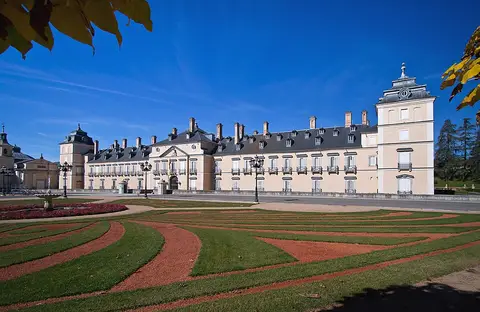
Madrid-Barajas Airport (MAD) is connected to the city center by Metro Line 8 and the airport express bus; high-speed trains from Atocha and Chamartín reach Seville, Barcelona, or Valencia in around two and a half hours or less. Within the city, the metro is dense, inexpensive, and fast. Spring and fall are considered the best times to visit: in July and August, temperatures often climb above 95°F, and many locals leave the city. For excursions, Toledo, Segovia with its Roman aqueduct, and the monastery-palace of El Escorial are good options – all reachable in about an hour and each worth a day on its own.