The Canary Islands: Volcanoes, Dunes and Eternal Spring
Travel guide · editorialJust off the coast of Morocco, yet part of the EU: for decades, the Canary Islands have been a favorite winter destination for many Central Europeans, because temperatures rarely drop below 68°F even in January. A vacation in the Canary Islands can mean beach days in Maspalomas, hikes through laurel forests on La Gomera, or a night under the starry skies of La Palma.
Eight Islands, Seven Personalities
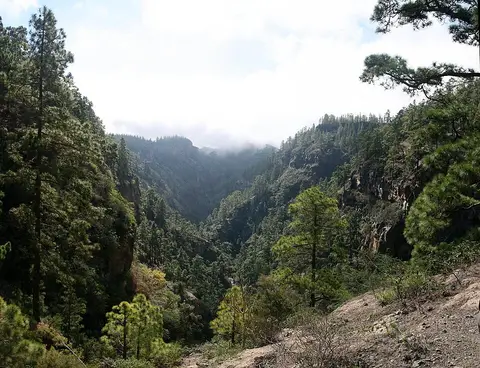
The archipelago consists of the seven large islands of Tenerife, Gran Canaria, Lanzarote, Fuerteventura, La Palma, La Gomera and El Hierro, plus the small inhabited island of La Graciosa. All are volcanic in origin, yet they differ greatly. The eastern islands of Lanzarote and Fuerteventura are flat, dry and shaped by Saharan dust, with long, pale beaches. The western islands are steep, green and rainier, because the trade-wind clouds get caught on their mountains. Politically, the islands form an autonomous community with two provinces; Santa Cruz de Tenerife and Las Palmas de Gran Canaria share the role of capital.
Tenerife and Mount Teide
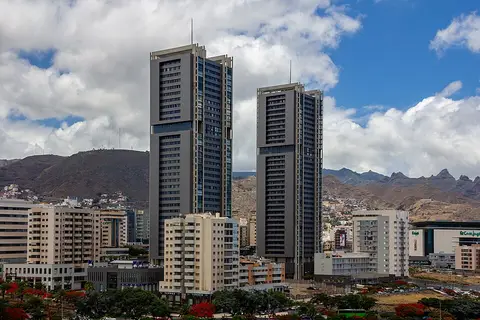
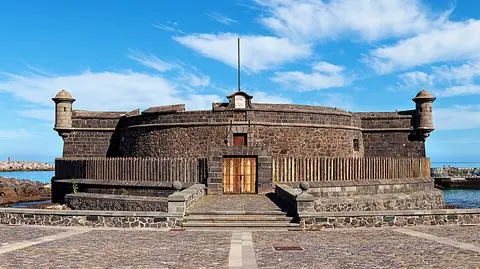
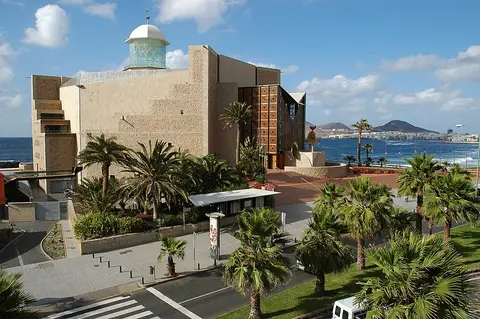
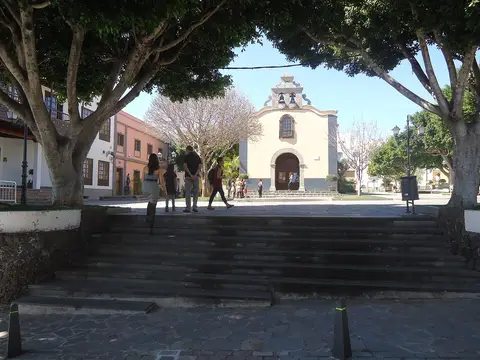
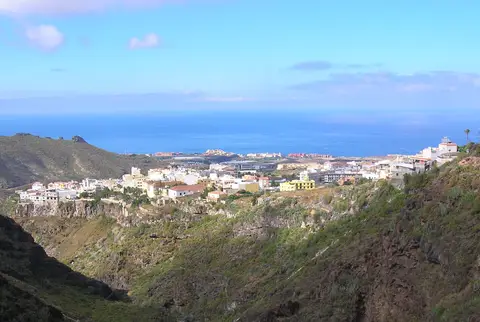
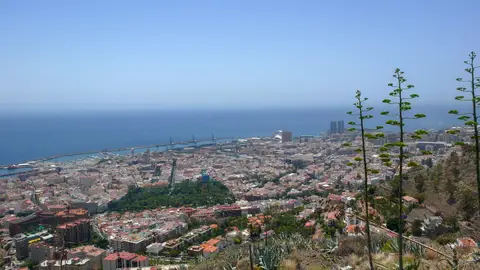
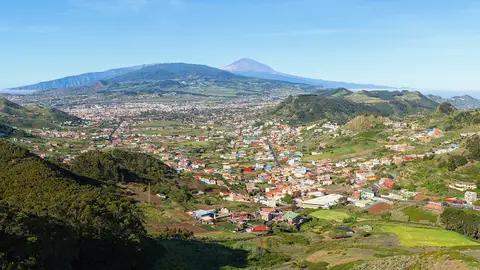
At around 3,715 meters (12,188 feet), Pico del Teide is the highest mountain in Spain. A cable car takes you to just below the summit; for the last stretch you need a permit. The national park, with its lava fields and rock formations such as the Roques de García, is a UNESCO World Heritage Site. In the south of the island you'll find the resort areas of Arona, with Los Cristianos and Playa de las Américas, and Adeje, with Costa Adeje. The green north is entirely different: Puerto de la Cruz, the Orotava Valley with its manor houses, and San Cristóbal de La Laguna, whose grid-like street plan served as a model for colonial cities in the Americas. Santa Cruz de Tenerife offers urban life, with Calatrava's Auditorio and one of the biggest carnivals in the world.
Gran Canaria: A Miniature Continent
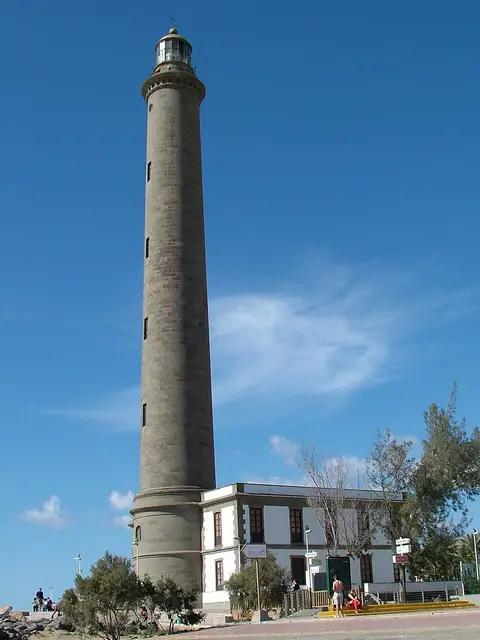
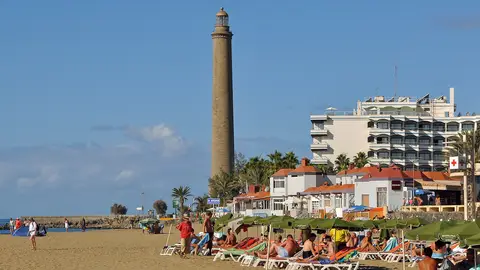
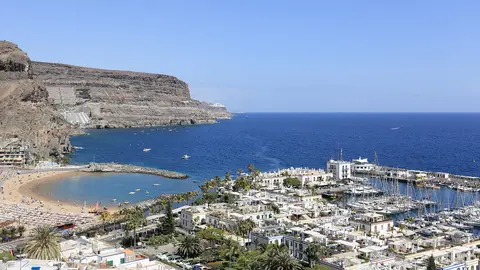
Gran Canaria is often called a continent in miniature. Las Palmas, the largest city in the Canaries, has Las Canteras, a city beach where locals swim and surf, and the Vegueta district, an old town where Columbus stopped before his first Atlantic crossing. In the south lies San Bartolomé de Tirajana with Playa del Inglés and the dunes of Maspalomas, a sandy landscape next to a lighthouse and a lagoon. Mogán, with its fishing harbor and the flower arches over its canals, feels calmer. In the center of the island, Roque Nublo and Roque Bentayga rise up, in an area that is also a World Heritage Site as the Risco Caído cultural landscape.
Sights in the Canary Islands: Lanzarote, Fuerteventura and the Smaller Islands
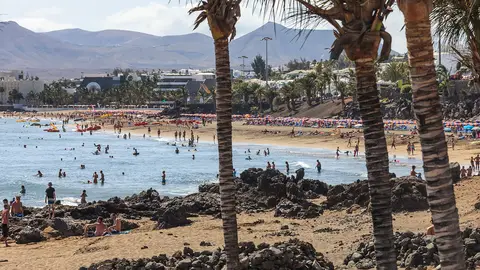
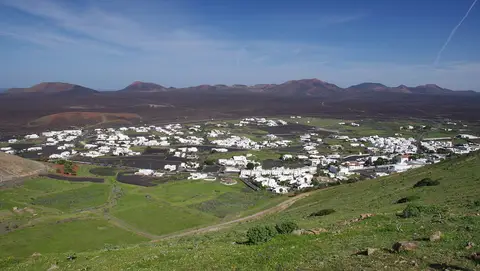
On Lanzarote, the artist César Manrique ensured from the 1960s onward that hardly any high-rises were built. His creations, such as the Jameos del Agua in a lava tunnel and his house in Taro de Tahíche, are popular excursions, as are the Fire Mountains in Timanfaya National Park. Tourism is concentrated in Tías, home to the resort town of Puerto del Carmen. On Fuerteventura, La Oliva, with Corralejo and the shifting dunes in the natural park, is among the most popular Canary Islands destinations; windsurfers and kitesurfers gather on the beaches in the south near Jandía. La Gomera, with the laurel forest in Garajonay National Park and the whistled language Silbo; La Palma, with its observatories at Roque de los Muchachos and the Tajogaite volcano that formed in 2021; and El Hierro, where you can dive and find peace and quiet, are all destinations for hikers.
Food and Drink
Canarian cuisine is simple and distinctive. Papas arrugadas, small potatoes cooked in a salt crust, are served with mojo rojo made from red peppers and mojo verde made from cilantro. Gofio, roasted grain flour, was once a staple food of the island's original inhabitants and is now used in soups and desserts. Fish such as vieja and cherne, goat cheese from Fuerteventura (Majorero) and bananas from La Palma are all part of the menu. Lanzarote grows its Malvasia wine in black lava pits protected by semicircular stone walls. In the guachinches of northern Tenerife, winemakers serve simple dishes alongside their own wine.
Getting There and Best Time to Visit
All the larger islands have airports; Tenerife South, Gran Canaria, Lanzarote and Fuerteventura have direct flights from Germany in around four to five hours. Ferries and small planes run between the islands. The Canaries are a year-round destination: in winter, sun seekers head here, and in summer the trade winds mean it is rarely oppressively hot. Water temperatures range from about 64°F to 75°F. If you want to hike, spring or fall is best; carnival in Santa Cruz and Las Palmas is celebrated in February.