Discovering Las Palmas: Las Canteras and Vegueta
Travel guide · editorialLas Palmas de Gran Canaria is considered one of the cities with the most pleasant climates in the world – the thermometer hovers between roughly 64 and 81 degrees Fahrenheit all year long. The largest city in the Canary Islands has a colonial old town, one of Europe's most beautiful city beaches, and a lively surf and pub scene. If you're planning a vacation on Gran Canaria, you should set aside at least a few days here.
Columbus, Sugar, and Trade
In 1478, Castilian troops set up a military camp on the banks of the Barranco Guiniguada, and the city grew out of it. A few years later, Christopher Columbus stopped here on his first voyage to the New World to take on supplies and repair a ship. Sugarcane, later bananas, and the free port made the city rich, and British merchants left their mark in the 19th century – including Spain's first golf club. The port of Puerto de la Luz is still one of the most important in the Atlantic.
Sights in Las Palmas
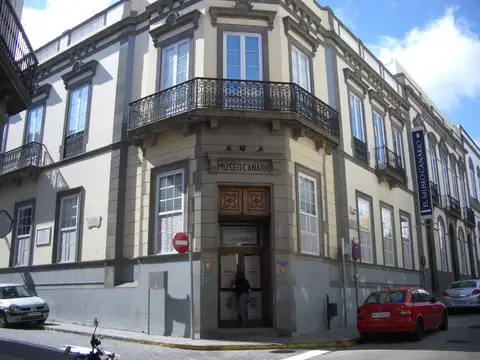
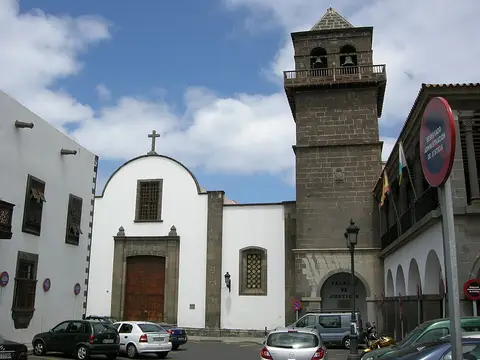
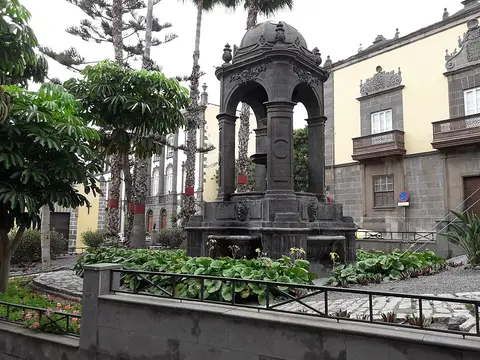
The old town of Vegueta, with its cobblestones, wooden balconies, and small squares, is the historic heart of the city. Here you'll find Santa Ana Cathedral, whose rooftop terrace offers a fine view over the city, flanked by bronze dogs on the square in front – the dogs are said to have given the islands their name, as the Romans called them Canariae after the "canes." The Casa de Colón, a palace with magnificent courtyards, is devoted to the voyages of discovery. The Museo Canario displays finds from the island's original inhabitants, the ancient Canarians, including mummies and pottery. Beyond the city highway lies Triana, the shopping district with Art Nouveau facades along Calle Mayor de Triana, and next door the Pérez Galdós Theater, named after the famous writer who was born here.
Las Canteras, Isleta, and Guanarteme
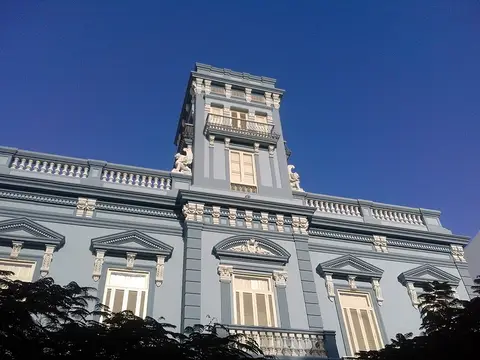
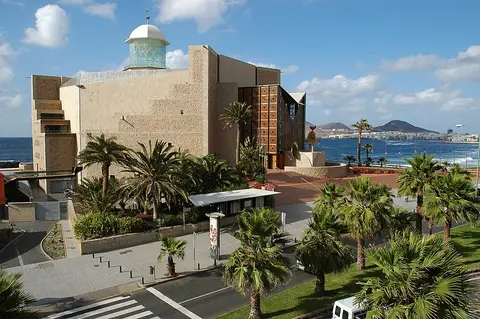
In the north of the city, Playa de Las Canteras stretches for about two miles. A natural reef, the Barra, shields the beach from big waves and creates a calm basin for snorkeling; at the southern end in Guanarteme, on the other hand, surfers get their fill. In the evening, the promenade is where the whole city gathers. The Santa Catalina-Canteras district around Parque Santa Catalina, with its hotels, cafés, and the Elder Science Museum, forms the tourist center. On the La Isleta peninsula, things are more down-to-earth, with simple fish restaurants and volcanic landscape. Alcaravaneras, with its own city beach and marina, lies farther south, and in Ciudad Jardín you'll find villas in English colonial style.
Food, Carnival, and Nightlife
Canarian cuisine is simple and hearty: papas arrugadas, wrinkled potatoes boiled in salt water, served with red and green mojo sauce, gofio made from roasted grain, ropa vieja, and freshly caught fish such as vieja. The Mercado de Vegueta is the city's oldest market; on Fridays and Saturdays, the area around the Mercado del Puerto turns into a gathering place for tapas and beer. In February, Las Palmas hosts one of Spain's biggest carnivals, with a drag queen gala and parades that go on for days. The nightlife districts are Vegueta and Triana on weekends, as well as the area around Santa Catalina.
Getting Around and Best Time to Visit
Gran Canaria Airport (LPA) is about 12 miles to the south; buses run by the Global company go to the San Telmo bus station and to Santa Catalina. Within the city, the yellow guaguas, as buses are called here, are the main means of transportation. There's hardly a best time to visit in the strict sense, since the climate is mild year-round; in summer, a veil of cloud often drifts over the north coast. Excursions lead to the mountain villages of Teror and Tejeda, to Roque Nublo, or south to the dunes of Maspalomas.