Aragon: The Pyrenees, Zaragoza, and Mudéjar Art
Travel guide · editorialAragon is one of Spain's great unknowns: an old kingdom between the glaciers of the Pyrenees and the steppes of the Ebro Valley, which many people only skirt on the drive from Barcelona to Madrid. A vacation in Aragon takes you to 10,000-foot peaks in Ordesa National Park, to Moorish-inspired brick towers in Teruel, and to the Basilica del Pilar on the Ebro.
Three Landscapes from North to South
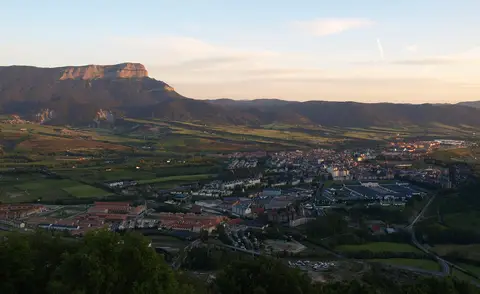
The autonomous community in northeastern Spain consists of the provinces of Huesca, Zaragoza, and Teruel. It is roughly the size of Lower Saxony but has only a little over a million inhabitants, more than half of them in the capital. In the north rise the highest peaks of the Pyrenees, including Aneto at over 3,400 meters (11,150 feet). Ordesa y Monte Perdido National Park, with its canyons, waterfalls, and Monte Perdido, is part of a cross-border UNESCO World Heritage Site. In the center, the Ebro flows through a wide basin of irrigated farmland, but also semi-deserts such as the Monegros. In the south, the Iberian System stretches out with cold high plateaus, pine forests, and villages such as Albarracín.
Zaragoza: Pilar, Aljafería, and the Banks of the Ebro
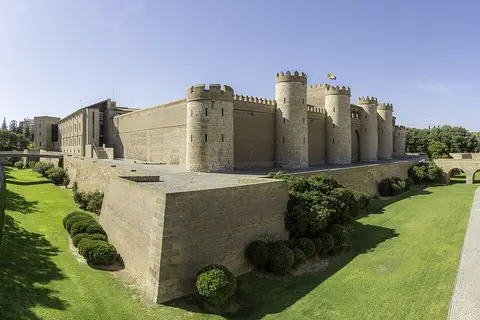
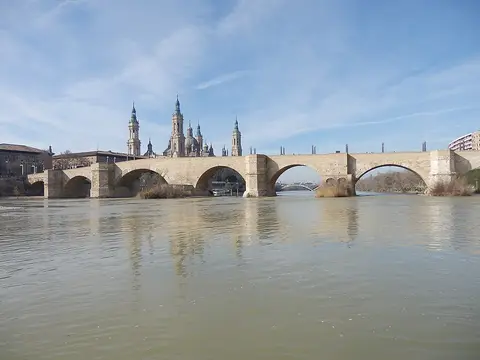
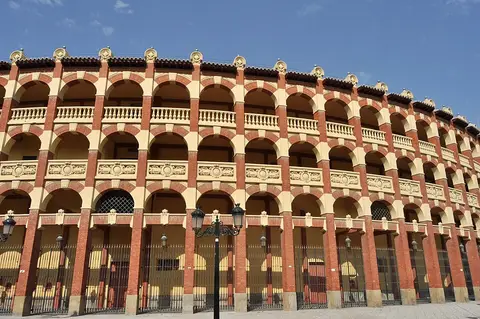
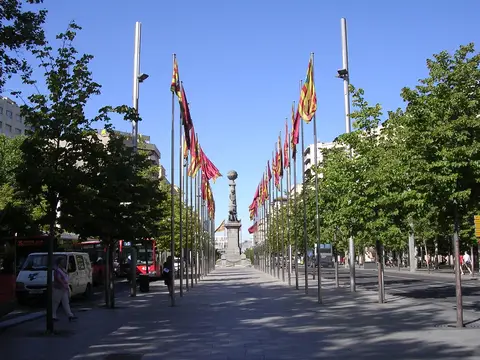
Zaragoza is Spain's fifth-largest city. Its name goes back to the Roman colony of Caesaraugusta, whose theater and forum you can visit. On the banks of the Ebro stands the Basilica of Nuestra Señora del Pilar, with four corner towers and colorful domes; Goya, who was born nearby in Fuendetodos, painted some of its ceiling frescoes. The Aljafería is a Moorish palace from the 11th century and is now the seat of the Aragonese parliament. The exterior wall of La Seo Cathedral displays Mudéjar tilework. In the evening, locals gather in the El Tubo district for a tapas crawl. In mid-October, the city celebrates the Fiestas del Pilar with flower offerings and jotas, the typical Aragonese dance.
Sights in Aragon: The Pyrenees and Mountain Villages
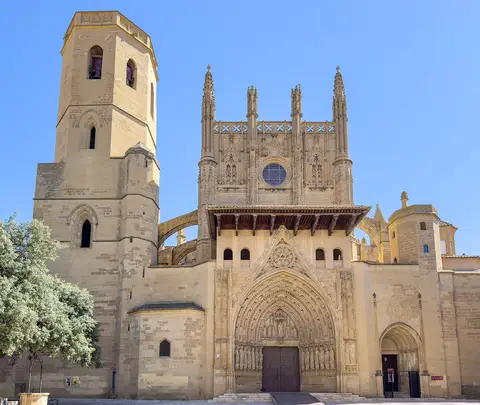
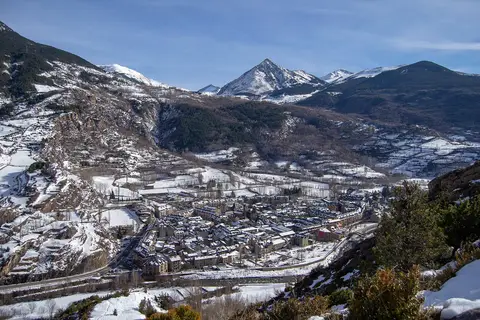
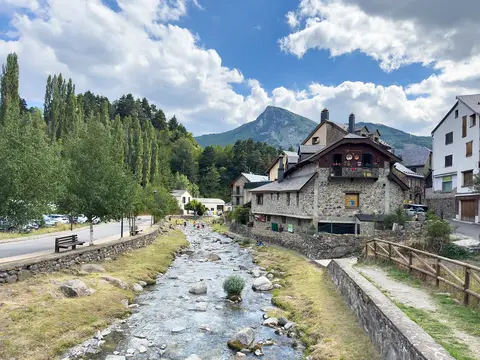
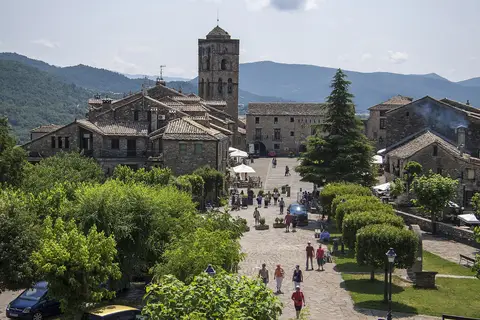
Among the loveliest destinations in Aragon are the Pyrenean valleys of Huesca province. Jaca was the first capital of the Kingdom of Aragon and has a Romanesque cathedral and a pentagonal citadel. Nearby, the Monastery of San Juan de la Peña sits beneath a rock overhang. Sallent de Gállego in the Tena Valley is the starting point for the Formigal ski area, while Benasque in the east lies at the foot of Aneto and Posets and is a hub for mountaineers. Aínsa, the capital of Sobrarbe, has an arcaded Plaza Mayor and a castle. Sabiñánigo is an industrial town and gateway to the valleys, with a museum of Pyrenean folk culture. Huesca itself has a Gothic cathedral; to the north are the Mallos de Riglos, red rock towers frequented by climbers and griffon vultures, and Loarre Castle, one of the best-preserved Romanesque castles in Europe.
Teruel, Albarracín, and the Mudéjar Legacy
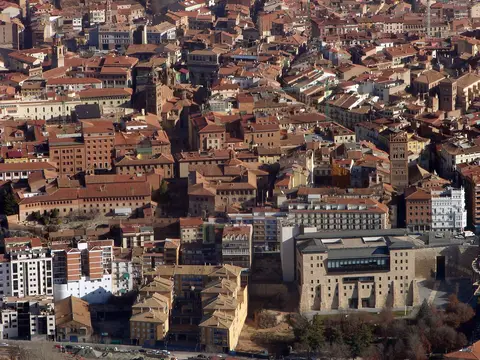
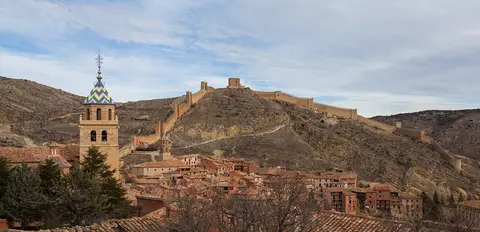
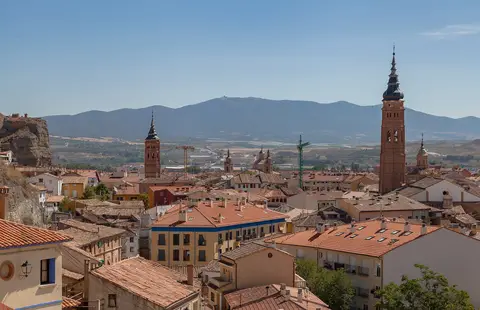
Teruel is one of Spain's smallest provincial capitals, but its Mudéjar towers of brick and glazed ceramic tiles are a UNESCO World Heritage Site. The city tells the legend of the Lovers of Teruel, whose mausoleum you can visit. The province is also known for dinosaur finds; the Dinópolis theme park is dedicated to them. About 25 miles away lies Albarracín, a village of pink houses, wooden balconies, and a town wall that climbs over a hill. In the Maestrazgo, a sparsely populated highland, you'll find medieval towns such as Cantavieja and Mirambel.
Ternasco, Ham, and Wine
Ternasco de Aragón, young lamb, is the best-known specialty and is oven-roasted with potatoes. Dry-cured ham with a protected designation of origin comes from Teruel. Migas, borrajas (a vegetable plant eaten mainly here), and pollo al chilindrón with peppers and tomatoes appear on the menu. For dessert there are frutas de Aragón, candied fruit coated in chocolate. The wine regions of Cariñena, Campo de Borja, Calatayud, and Somontano produce robust Garnacha wines and modern blends.
Getting There and Best Time to Visit
Zaragoza is on the Madrid–Barcelona high-speed rail line and can be reached from both cities in about an hour and a half. The city's airport is used mainly for cargo. For the Pyrenees and mountain villages, you'll need a car. The best time for hiking is June to October, and for the cities, spring and fall. In winter, Formigal, Panticosa, Cerler, and Candanchú are ski destinations, while in Zaragoza the cold northwest wind known as the Cierzo often blows.