Sight · Historic sites
Puente de Piedra
Hostal Puente de Piedra, Avenida de Cataluña, 13, 50014 Zaragoza
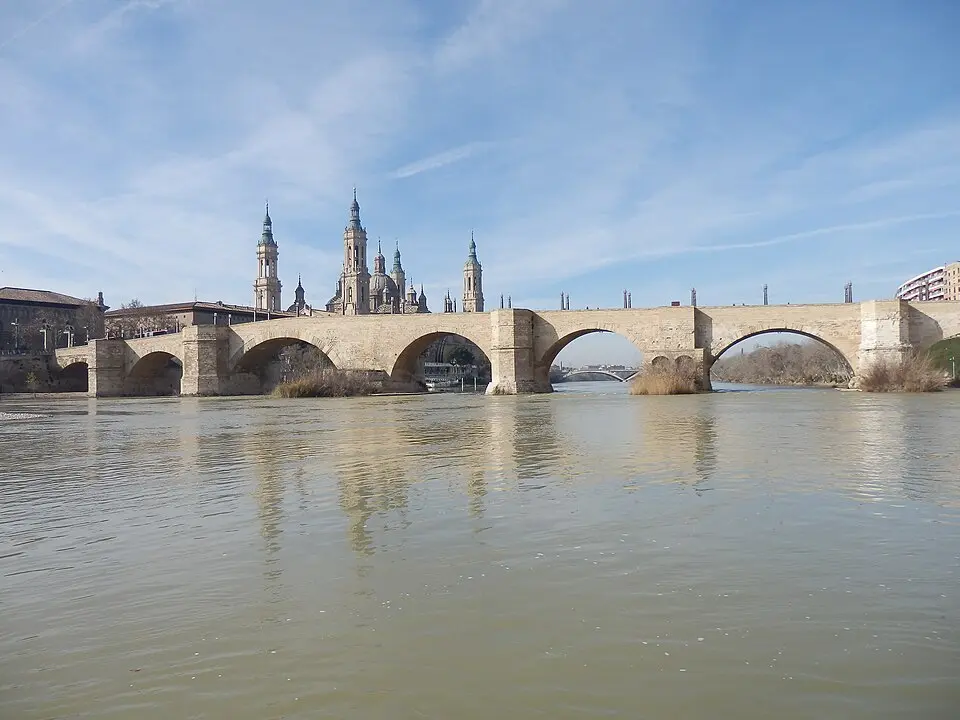
About Puente de Piedra
The Puente de Piedra, also known as the Bridge of the Lions, spans the Ebro River in Zaragoza. It was built between 1401 and 1440 under the direction of Gil de Menestral, after the city had been seeking a crossing since the twelfth century. A flood in 1643 destroyed two of the middle arches, and in 1659 Felipe de Busignac restored the bridge and widened the piers. Later work in the eighteenth century reinforced the riverbanks. Since 1991, four lion statues designed by Francisco Rallo Lahoz have adorned the supports at the ends of the bridge. This historic structure was of great economic importance to the region.
At a glance
- Category
- Sight › Historic sites
- Rating
- no reviews yet · write a review
- Address
- Hostal Puente de Piedra, Avenida de Cataluña, 13
50014 Zaragoza, Spain - District
- Casco Histórico
- Phone
- +34976202090
- Website
- —
- —
- Coordinates
- 41.65722° N · -0.87534° E
- Data quality
- confidence 0.93
- Identifier
- ID 75eec74d-c55…
Part of the tour
Zaragoza in One Day: Aljafería, Pilar and La Seo →Location & surroundings
Toggle layersFAQ about Puente de Piedra
quick answersWhat is the Puente de Piedra in Zaragoza?
The Puente de Piedra is a historic stone bridge spanning the Ebro River in Zaragoza's Casco Histórico. Also known as the "Bridge of the Lions," it is one of the Spanish city's historic landmarks. The bridge was of great economic importance to the region.
When was the Puente de Piedra in Zaragoza built?
The Puente de Piedra in Zaragoza was built between 1401 and 1440 under the direction of Gil de Menestral. The city had been looking for a permanent crossing over the Ebro since the twelfth century. After a flood destroyed two central arches in 1643, Felipe de Busignac restored the bridge in 1659 and had the piers widened. In the eighteenth century, the riverbank fortifications were also reinforced.
Why is the Puente de Piedra in Zaragoza also called the Bridge of the Lions?
The Puente de Piedra in Zaragoza owes its nickname, the "Bridge of the Lions," to four lion statues at its ends. The figures were designed by Francisco Rallo Lahoz and have adorned the supports at both ends of the bridge since 1991.
What can you see around the Puente de Piedra in Zaragoza?
Numerous Old Town sights lie within a few minutes' walk of the Puente de Piedra in Zaragoza. travelguide195 lists nearby attractions including the Puerta del Ángel (about 144 m), the tower of the Catedral del Pilar (about 158 m), the Palacio de la Lonja (about 193 m), and the Monumento a Goya (about 201 m). Museums in the area include the Museo Diocesano (about 210 m), the Museo del Puerto Fluvial de Caesaraugusta (about 238 m), and the Museo del Foro de Caesaraugusta (about 246 m).
Can you visit the Puente de Piedra in Zaragoza as part of a tour and eat nearby?
Yes, the Puente de Piedra is part of the tour "Zaragoza in One Day: Aljafería, Pilar, and La Seo." For a break in the area, travelguide195 lists about 106 restaurants within 500 meters of the bridge in Zaragoza.
Ratings & comments
none yetNear Puente de Piedra
closest 5 per category · 2 kmSights
Restaurants
Museums
Hotels
More:Historic sites in Zaragoza (95)Sights in Casco Histórico (49)All sights in Zaragoza (137)
243 places within 2 km loaded.
Don't miss in Zaragoza
All sights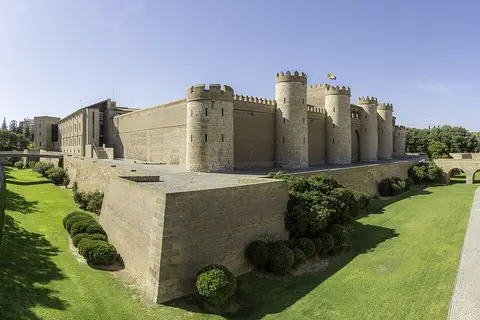 Monuments01
Palacio de la Aljafería
Calle De Los Diputados S/N · Zaragoza● Website● Phone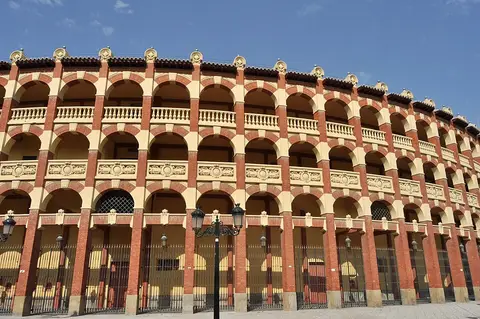 Historic sites02
Plaza de Toros de Zaragoza
Calle Ramón Pignatelli, 122 · Zaragoza● Website○ Phone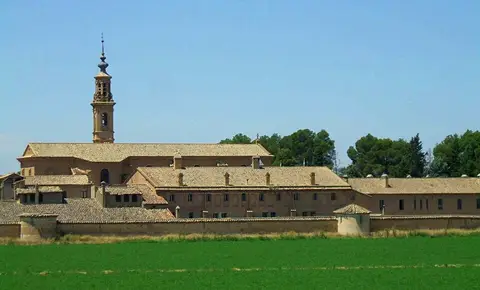 Monuments03
Cartuja de Aula Dei
Carretera de Montañana-Peñaflor, Km 14 · Zaragoza● Website● Phone Monuments04
You need a free account to leave reviews and photos – that keeps comments genuine and lets you edit them later.
The central bridge of Zaragoza, built in the 15th century and reconstructed many times afterwards to repair flood damage and reinforce the construction. Today it is restricted almost entirely to pedestrian traffic and features four pillars at its ends with lions, symbols of Zaragoza.
Source: Wikivoyage, „Zaragoza“ · authors per page history · CC BY-SA 4.0 · as of 8/5/2018