Discover Zaragoza: Pilar Basilica and the Aljafería
Travel guide · editorialHalfway between Madrid and Barcelona lies a city that many know only from the train window – unjustly so. Zaragoza, known in German as Saragossa, has Roman ruins, a Moorish palace, and a basilica that ranks among Spain's most important pilgrimage sites. A city break in Zaragoza is relaxed, affordable, and full of surprises.
Two Millennia on the Ebro
Emperor Augustus founded the city around 14 B.C. as Caesaraugusta – the name from which Zaragoza evolved. Remains of the forum, port, baths, and theater can be visited in small museums in the Old Town. Under the Moors, Saraqusta became the capital of a taifa kingdom in the 11th century, and in 1118 it was conquered by Alfonso I of Aragon. During the Napoleonic Wars, the city withstood two costly sieges, which Goya captured in his "Disasters of War." Goya himself came from Fuendetodos, a village south of the city.
Sights in Zaragoza
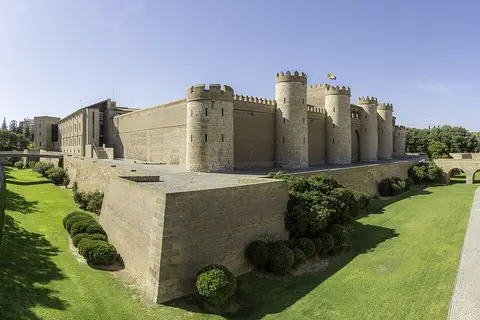
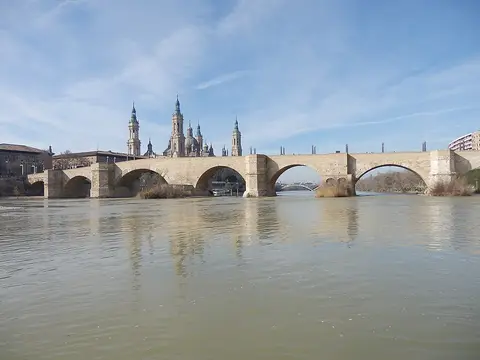
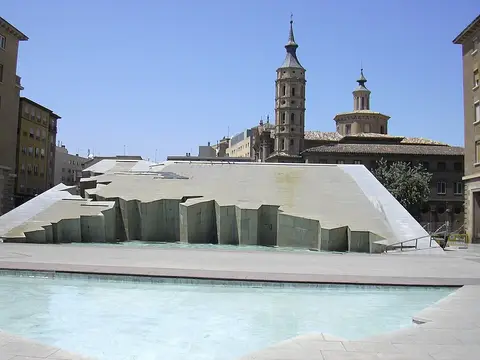
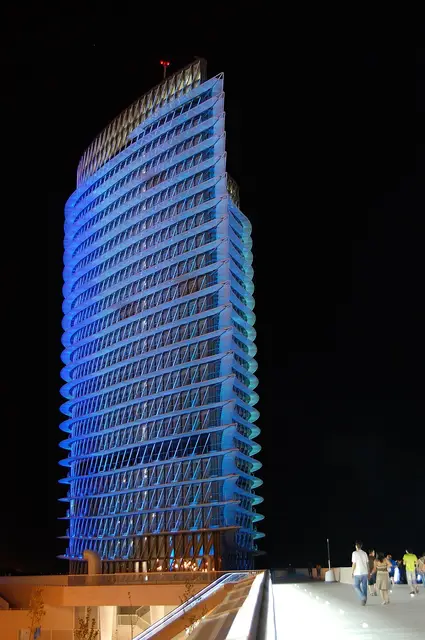
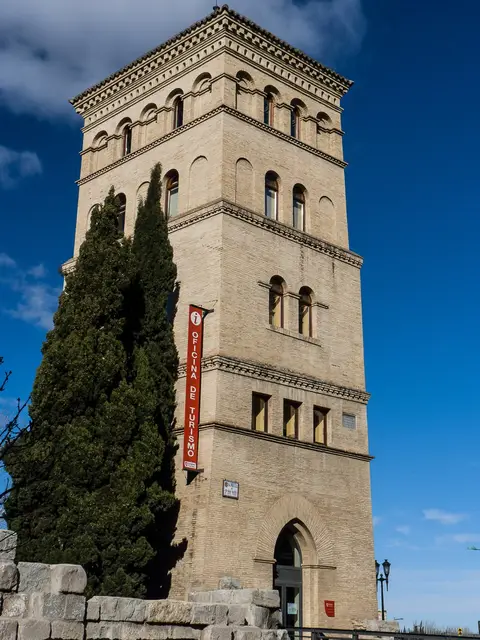
The Basílica del Pilar, with its four corner towers and brightly glazed domes, is reflected in the Ebro and is the city's landmark. Inside, the faithful venerate a statue of the Virgin Mary on a pillar, and frescoes by Goya can be seen on the ceiling. An elevator takes you up a tower with sweeping views. A few steps away stands La Seo, the cathedral, whose exterior wall is a Mudéjar masterpiece of brick and tile. The Aljafería, an 11th-century palace with delicate arches, is now the seat of the Aragonese parliament and is considered the most important Islamic building in northern Spain. The stone Puente de Piedra leads across the Ebro to the El Rabal district, and along the river, the Expo 2008 grounds with the Water Tower and the Bridge Pavilion recall the world's fair.
Tapas in El Tubo and the Fiestas del Pilar
In the Casco Histórico lies El Tubo, a tangle of narrow alleys with tapas bars where you work your way from counter to counter. Typical Aragonese dishes include ternasco, roast lamb from the region; migas with bacon and grapes; borage, a vegetable eaten almost exclusively here; and fried mushrooms with garlic. For dessert, there are candied fruits, Frutas de Aragón. Restaurants in Zaragoza are considerably cheaper than in Madrid or Barcelona. In the evening, the bars in the Centro and around the Universidad fill up. In October, the city celebrates the Fiestas del Pilar for a week: Hundreds of thousands carry flowers to the basilica until the statue of the Virgin disappears beneath a huge mantle of blossoms.
Museums and Neighborhoods
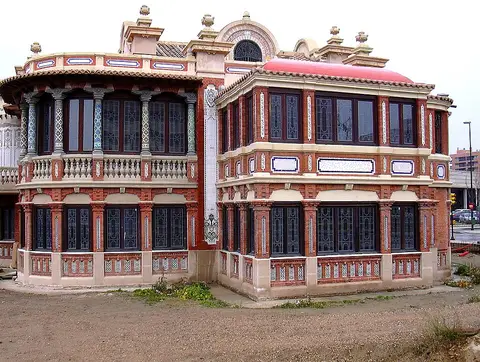
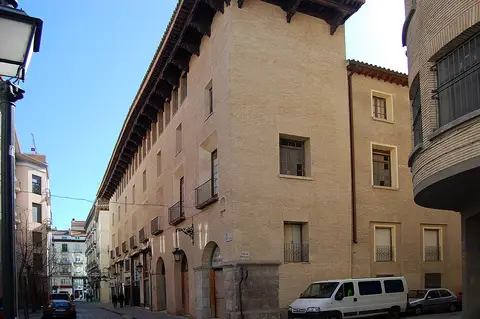
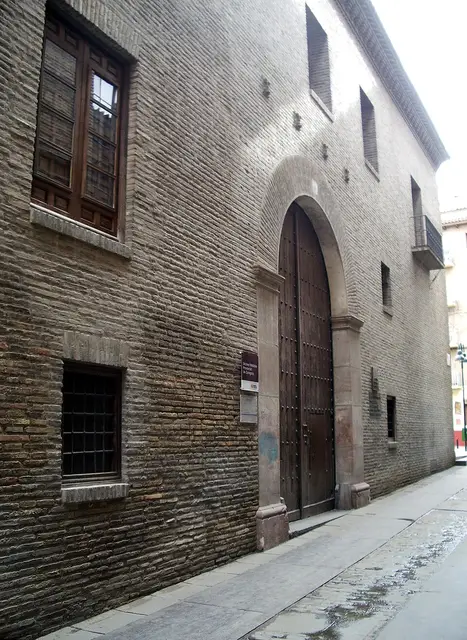
The Museo Pablo Gargallo shows works by the Aragonese sculptor in a Renaissance palace, and the Museo Goya gives a good overview of the painter's printmaking. The CaixaForum, a striking building with red facades, hosts changing exhibitions. A large share of the city's population lives in the Delicias district, where many immigrants have opened shops and restaurants. The Ebro riverbanks and the Parque Grande José Antonio Labordeta are popular spots for walking and cycling.
Getting Around and Best Time to Visit
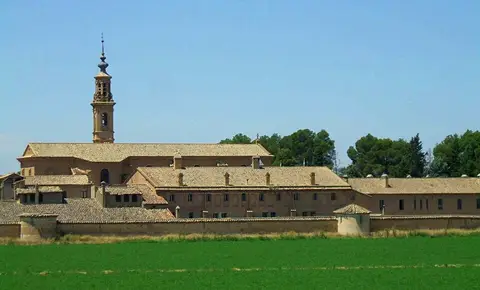
The AVE high-speed train reaches Madrid and Barcelona in about an hour and a half each; Delicias station lies west of the Old Town. The small Zaragoza airport (ZAZ) is served mainly by low-cost carriers. A tram line crosses the city from north to south, supplemented by buses. The best times to visit are spring and fall; summer is hot, and in winter the cold northwesterly Cierzo wind often blows. Excursions lead to the Piedra Monastery with its waterfalls, to the Mudéjar town of Tarazona, or to the desert landscape of the Bardenas Reales.