
Murcia: Mar Menor, Cartagena and the Vegetable Garden of Europe
Travel guide · editorialMurcia is the region that sends lettuce, bell peppers, and lemons to supermarkets across Europe in winter – and it is also a coastal land with more than 300 days of sunshine a year. A vacation in Murcia combines the shallow lagoon of the Mar Menor, Roman Cartagena, and a Baroque capital where you can eat well and inexpensively.
Location: Between Andalusia and Valencia
The Región de Murcia is one of the few autonomous communities in Spain that consist of just a single province. It lies in the southeast of the peninsula between Andalusia, Castilla-La Mancha, and the Valencian Community. The Segura River runs through the region and irrigates the Huerta, a belt of fruit and vegetable fields around the capital. The climate is one of the driest in Europe, and in some years less than 300 millimeters (12 inches) of rain fall. Inland, mountain ranges rise, such as the Sierra Espuña, a forested nature park, and the Sierra de Carrascoy. The coast, the Costa Cálida, stretches from San Pedro del Pinatar to Águilas on the border with Andalusia.
The Mar Menor and the Beach Resorts
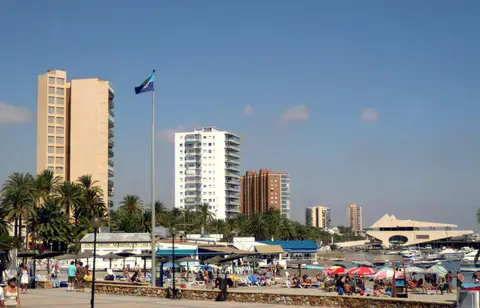
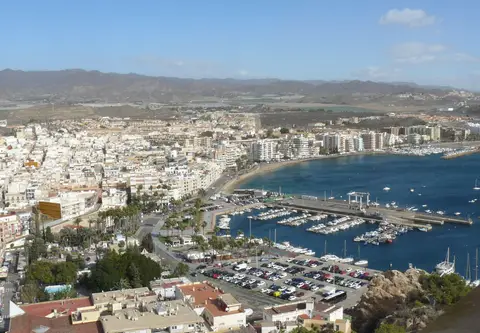
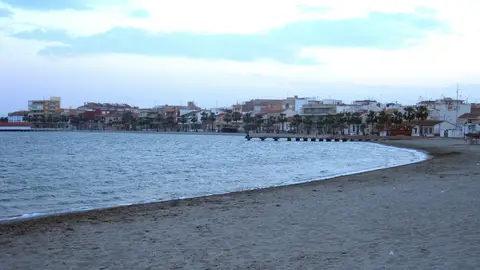
At around 170 square kilometers (66 square miles), the Mar Menor is one of the largest saltwater lagoons in Europe, separated from the Mediterranean by a narrow strip of land, La Manga. The water is shallow and warm, ideal for families and beginning sailors. Towns such as San Javier with Santiago de la Ribera, Los Alcázares, and San Pedro del Pinatar, with its salt flats where flamingos wade, lie along its shores; at Lo Pagán, visitors bathe in the mud for its supposedly healing properties. The lagoon has suffered for years from nutrient runoff from agriculture, and in 2022 it became the first ecosystem in Europe to be granted its own legal personality. On the open sea you will find Mazarrón, with its coves and a fishing harbor, as well as Águilas, which is overlooked by a castle and known for its exuberant carnival in February. Calblanque, a protected stretch of coast with dunes, is considered one of the most beautiful undeveloped beaches in Spain.
Sights in Murcia: The Capital and Cartagena
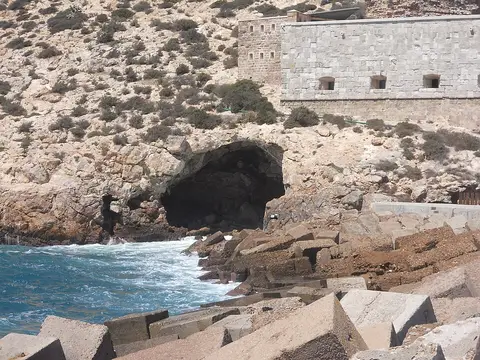
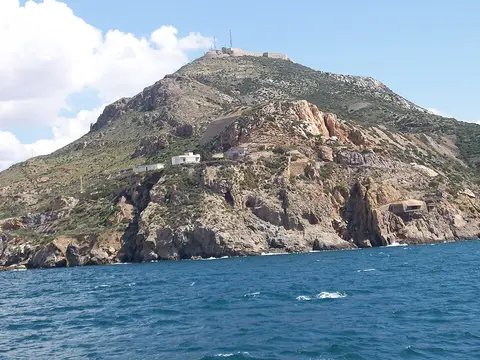
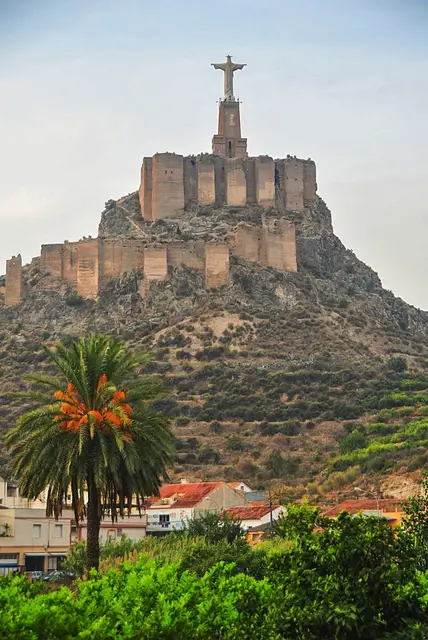
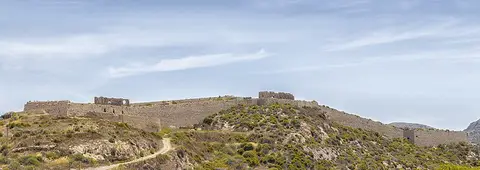
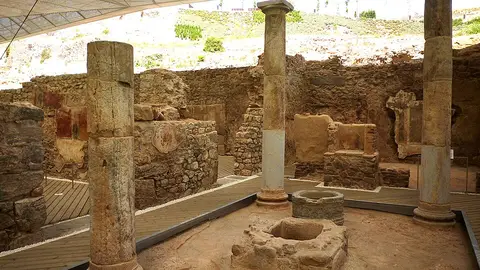
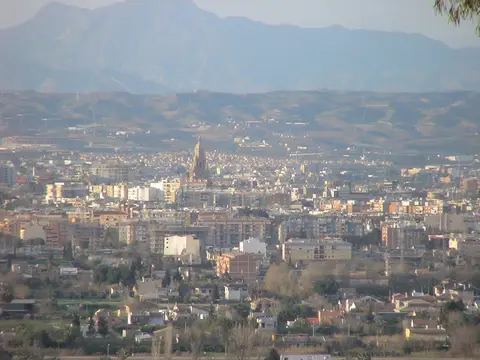
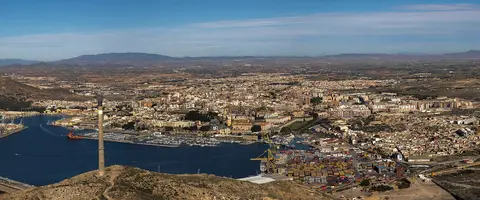
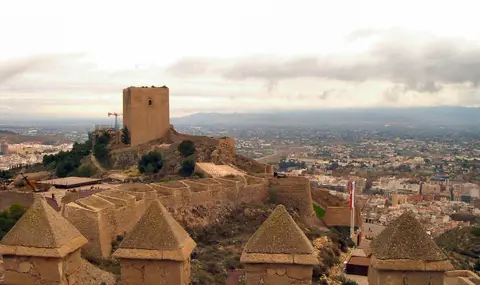
The city of Murcia, founded by the Moors around 825, has a cathedral whose Baroque main facade is among the most impressive in Spain, and a tower with views over the Huerta. The Casino with its opulent ballroom, the Salzillo Museum with its nativity and procession figures, and the lively squares of Las Flores and Santo Domingo invite you to stroll. Cartagena, founded by the Carthaginians as Qart Hadasht, became an important Roman city under the name Carthago Nova. It was not until the 1980s that the Roman theater was discovered beneath houses; today it is connected to a museum designed by Rafael Moneo. There are also Art Nouveau buildings, fortifications at the harbor entrance, and a museum of underwater archaeology. Other Murcia destinations include Lorca, the City of the Sun, with a castle and Baroque palaces; much of it was restored after the 2011 earthquake. In Caravaca de la Cruz, one of the holy cities of the Catholic Church, a cross reliquary is venerated.
Festivals and Culture
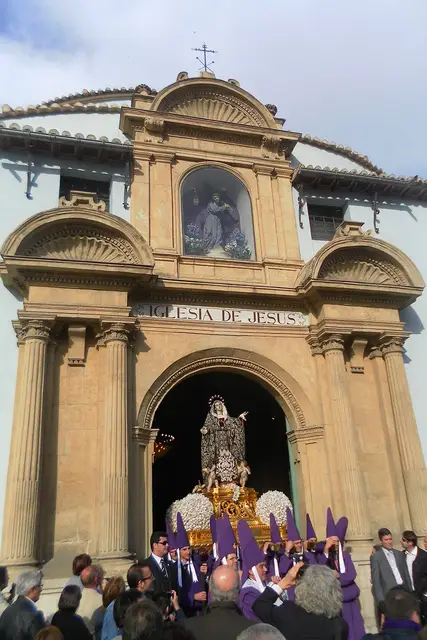
Holy Week is a highlight in Murcia, Cartagena, and Lorca: in Lorca, brotherhoods with embroidered silk mantles and horse-drawn carriages compete with one another, while in Cartagena strictly choreographed processions wind through the night. Shortly after Easter, Murcia celebrates the Fiestas de Primavera with the Bando de la Huerta, in which locals wear traditional farmers' costumes, and the Entierro de la Sardina. In early May in Caravaca, horses with decorated blankets race up the castle hill, a custom known as Los Caballos del Vino.
Food and Drink from the Huerta
Murcian cuisine thrives on vegetables. Zarangollo, fried zucchini with onions and egg, pisto, and ensalada murciana with tomatoes, tuna, and olives are among the everyday dishes. Typical of tapas bars is the marinera, a ring-shaped bread roll topped with Russian salad and an anchovy. Pastel de carne, a meat pie in puff pastry, and caldero, a rice dish with fish from the Mar Menor, are other specialties. The wines from Jumilla, Yecla, and Bullas are mostly based on the Monastrell grape. Cartagena has the asiático, a coffee with condensed milk, Licor 43, and brandy.
Getting There and Best Time to Visit
The Región de Murcia International Airport in Corvera replaced the old San Javier airport in 2019; alternatively, you can fly into Alicante, about an hour away by car. Since late 2022, a high-speed train has run from Madrid to Murcia. The best times to visit are spring and fall; in summer, temperatures inland climb well above 35 degrees Celsius (95°F), and in winter the coast is mild and sunny, which attracts many winter visitors.