
Discover Cartagena: Roman Theater, Harbor and Mar Menor
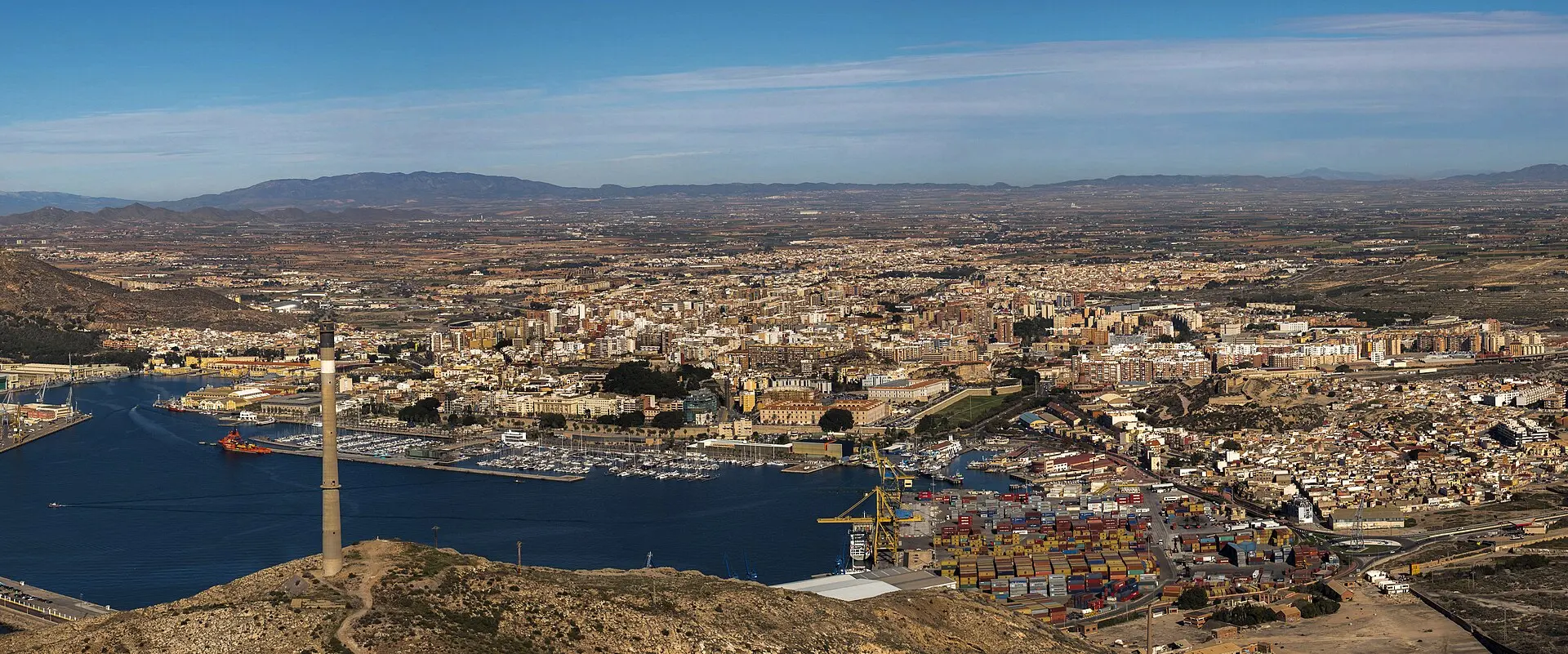
Travel guide · editorialIn 3,000 years, Cartagena has seen Carthaginians, Romans, Byzantines and Moors come and go – and it has held on to something from almost every era. The port city in southeastern Spain surprises with a Roman theater, Art Nouveau facades and one of the country's most important naval bases. A city break in Cartagena also combines well with a vacation on the Mar Menor.
The City of Hannibal
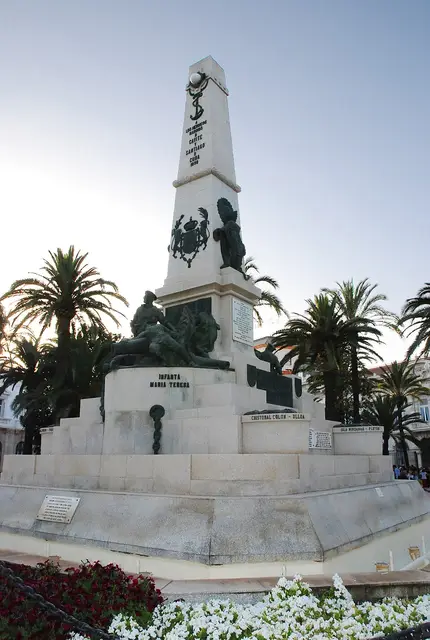
Around 227 B.C., the Carthaginian general Hasdrubal founded Qart Hadasht here, the "new city." It was from here that Hannibal set out with his elephants on his famous march across the Alps toward Rome. The Romans later conquered the city and named it Carthago Nova; it became one of the most important cities on the Iberian Peninsula. In the 18th century, the Bourbons made Cartagena the main base of the Spanish Mediterranean fleet, and in the late 19th century, mining in the nearby mountains brought wealth that showed itself in magnificent Art Nouveau buildings.
Sights in Cartagena
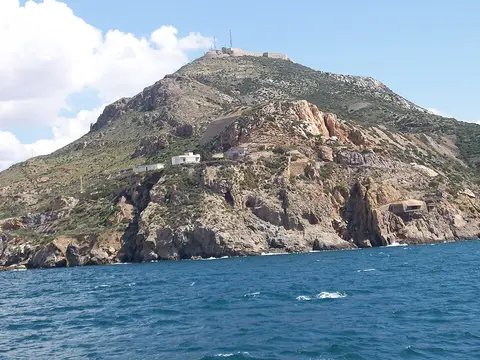
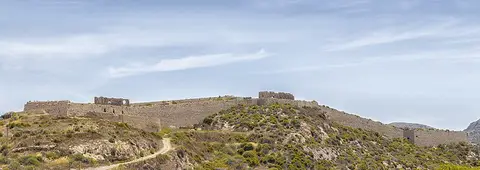
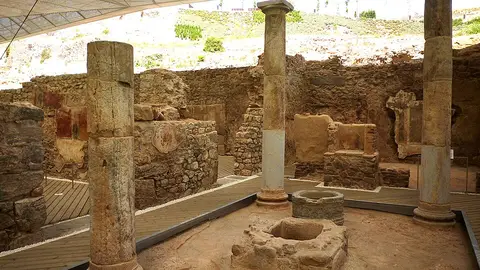
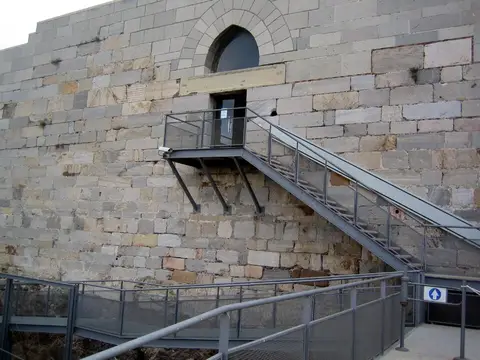
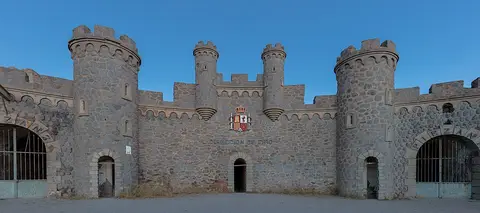
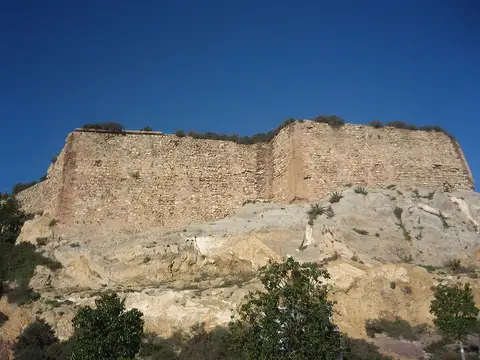
The Roman Theater was only discovered in 1988 during construction work and was uncovered following plans by Rafael Moneo. Today the route leads through a museum and a tunnel beneath a church directly into the seating area, which held around 6,000 spectators. Nearby are the Roman Forum, the Augusteum and the Casa de la Fortuna with its wall paintings. Art Nouveau buildings such as the Casino and the Gran Hotel line Calle Mayor and Calle Carmen, and on the harbor stands the City Hall, a white palace from the early 20th century. The elevator to the Castillo de la Concepción, the castle on one of the city's five hills, offers panoramic views. The Museo Nacional de Arqueología Subacuática ARQVA displays finds from shipwrecks, including Phoenician ships, and in the harbor, the submarine of inventor Isaac Peral, one of the first militarily usable submarines, is housed in its own museum.
Semana Santa and Festivals
Cartagena's Semana Santa is known for its militarily precise processions, in which the Marrajos and Californios brotherhoods carry flower-decked figures in perfect step. In September, the Carthaginians and Romans festival (Carthagineses y Romanos) commemorates the battles of antiquity: for ten days, locals dressed as Carthaginians and Romans parade through the city, with camps, mock battles and parades. Culinary specialties include caldero, a rice dish with fish, and the asiático, a coffee with condensed milk, Licor 43 and cinnamon.
Beaches and Mar Menor
The municipality includes the beaches of the Costa Cálida and part of the Mar Menor, a large saltwater lagoon separated from the Mediterranean by the narrow spit of La Manga. Cabo de Palos at the tip is a fishing village with a lighthouse and famous dive sites in the Islas Hormigas marine reserve. Los Belones and Atamaría are located by golf courses, and Calblanque Natural Park offers unspoiled dune beaches. The lagoon has suffered from environmental problems in recent years, and efforts are now under way to restore it.
Getting Around and Best Time to Visit
Región de Murcia Airport (RMU) is about 25 kilometers (16 miles) to the north, and Alicante about 100 kilometers (62 miles). Regional trains and buses connect Cartagena with Murcia. The old town is compact and easy to explore on foot. The best times to visit are spring and fall; summers are hot and winters mild.