
Discover Murcia: Cathedral, Huerta, and Tapas
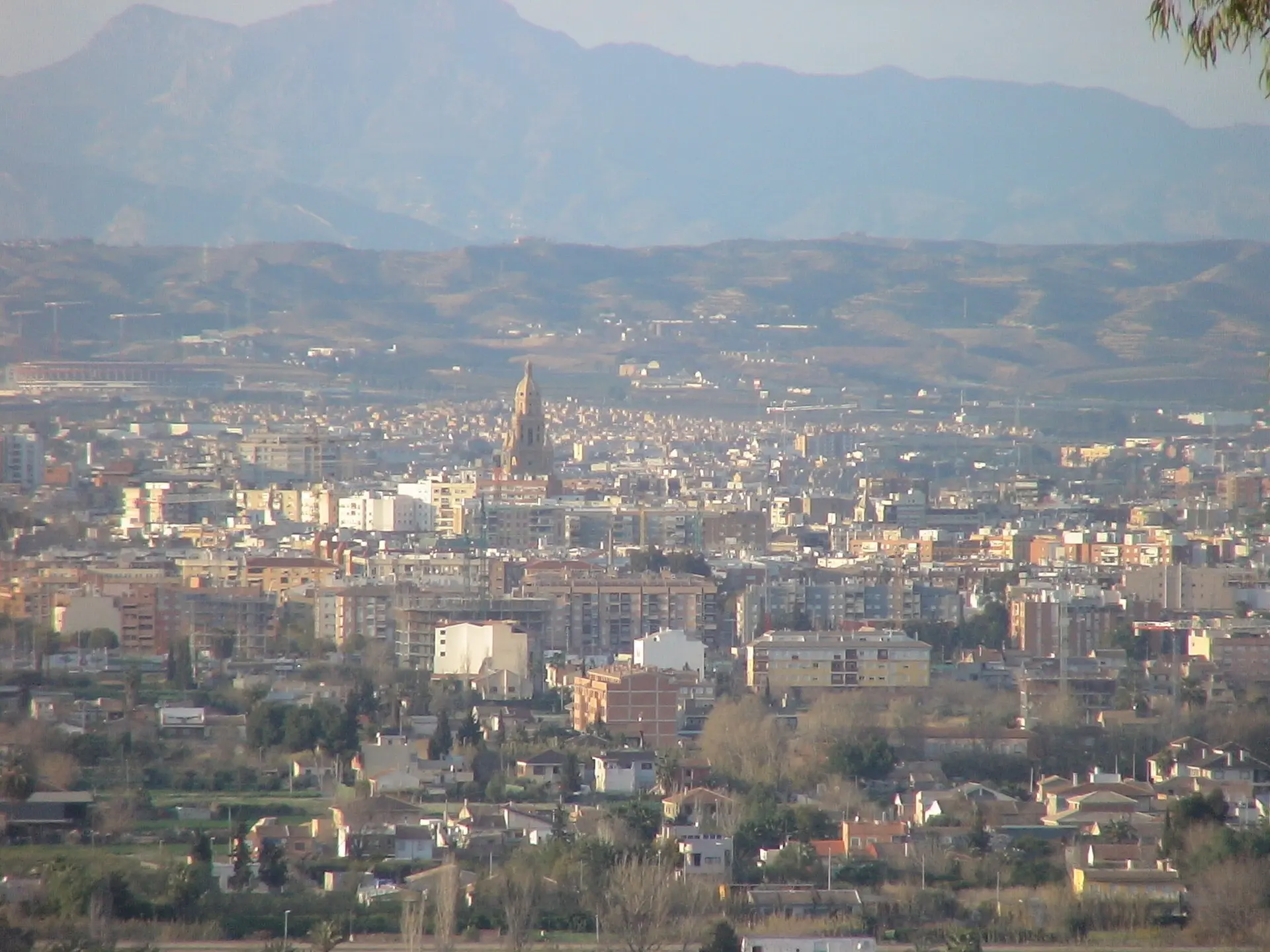
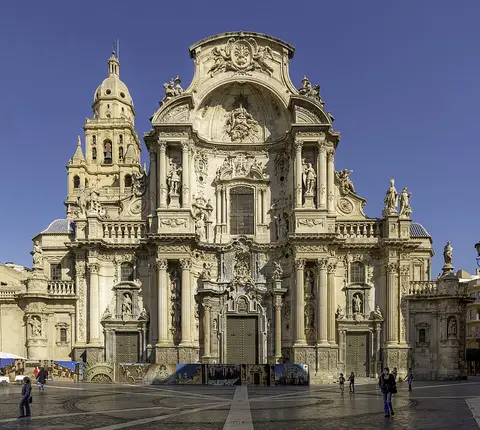
Travel guide · editorialMurcia is one of those cities that even many seasoned Spain travelers have yet to visit – yet it boasts one of the most beautiful Baroque facades in the country and a tapas culture that holds its own against Seville. The capital of the region of the same name sits in the middle of the Huerta, a vast vegetable garden. A trip to Murcia is an excursion into authentic Spain.
A Moorish Foundation on the Segura
In 825, Emir Abd ar-Rahman II founded the city of Mursiya on the Segura River. The Moors built an ingenious system of canals and water wheels that still irrigates the Huerta today. Murcia passed to Castile in 1243, and in the 18th century silk production and agriculture brought so much prosperity that the city gained a whole series of Baroque churches and palaces. Today the region is one of Europe's largest producers of vegetables and fruit.
Sights in Murcia
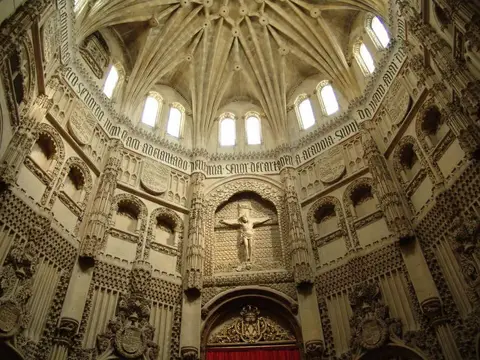
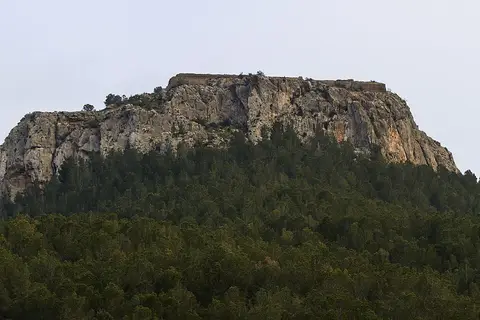
The Santa María Cathedral in the La Catedral district has a magnificent Baroque facade and one of the tallest bell towers in Spain; inside, the Gothic Capilla de los Vélez lies hidden. Right across from it stands the modern city hall building by Rafael Moneo, which deliberately enters into a dialogue with the cathedral. The Real Casino, a 19th-century gentlemen's club, combines a Neo-Moorish courtyard, an English-style reading room, and a pompous ballroom – a tour is well worth your time. The Museo Salzillo displays the processional figures by Francisco Salzillo, the great sculptor of Spanish Baroque. On the edge of the city, on a hill, you'll find the Santuario de la Fuensanta, the pilgrimage church of the city's patron saint.
Tapas, Vegetables, and Festivals
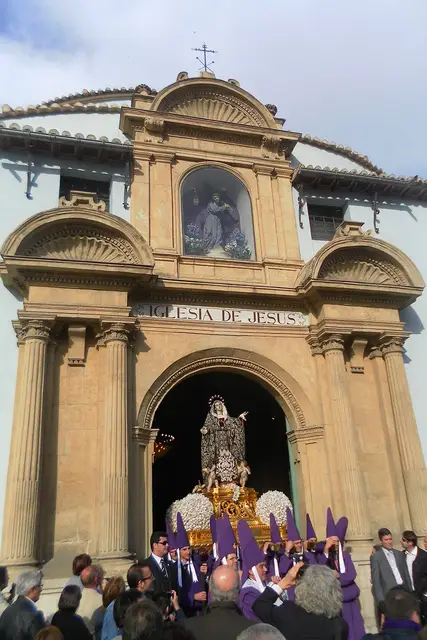
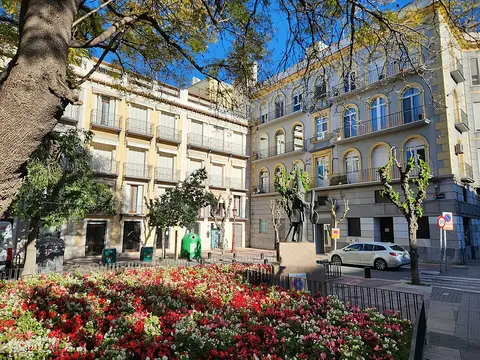
Restaurants in Murcia thrive on the Huerta: zarangollo made with zucchini and egg, ensalada murciana with tomato, tuna, and olives, michirones, a stew of broad beans, and pastel de carne, a meat pie with ground meat and egg that is sold on every corner here. A local specialty is marineras, ring-shaped bread rolls topped with Russian salad and an anchovy. The Santa Catalina and Las Flores squares, as well as the lanes around San Juan and San Lorenzo, are the best places for a tapas crawl. In spring, Murcia celebrates the Fiestas de Primavera with the Bando de la Huerta, when the city parades through the streets in traditional costume, and the Entierro de la Sardina, a parade that ends with the burning of a giant sardine. Thanks to the Salzillo figures, Semana Santa here is one of the most important in Spain.
Neighborhoods and Green Spaces
South of the river lies El Carmen, a former working-class neighborhood with the train station and lively bars. Along the banks of the Segura, a long promenade leads to parks, and from the Malecón, an old flood levee, you can look out over the Huerta. To the south of the municipality stretches the El Valle y Carrascoy regional park with hiking trails, and in El Palmar many families live in newer housing developments.
Getting Around and Best Time to Visit
Región de Murcia Airport (RMU) is about 25 kilometers to the south; alternatively, Alicante is easy to reach. For some years now, a high-speed train has connected Murcia with Madrid. In the city, buses and a tram run to the northern districts such as Churra. The best times to visit are spring and fall – in summer, Murcia regularly tops 40 degrees Celsius (104°F). Day trips lead to the Mar Menor, Cartagena, or the Jumilla and Bullas wine regions.