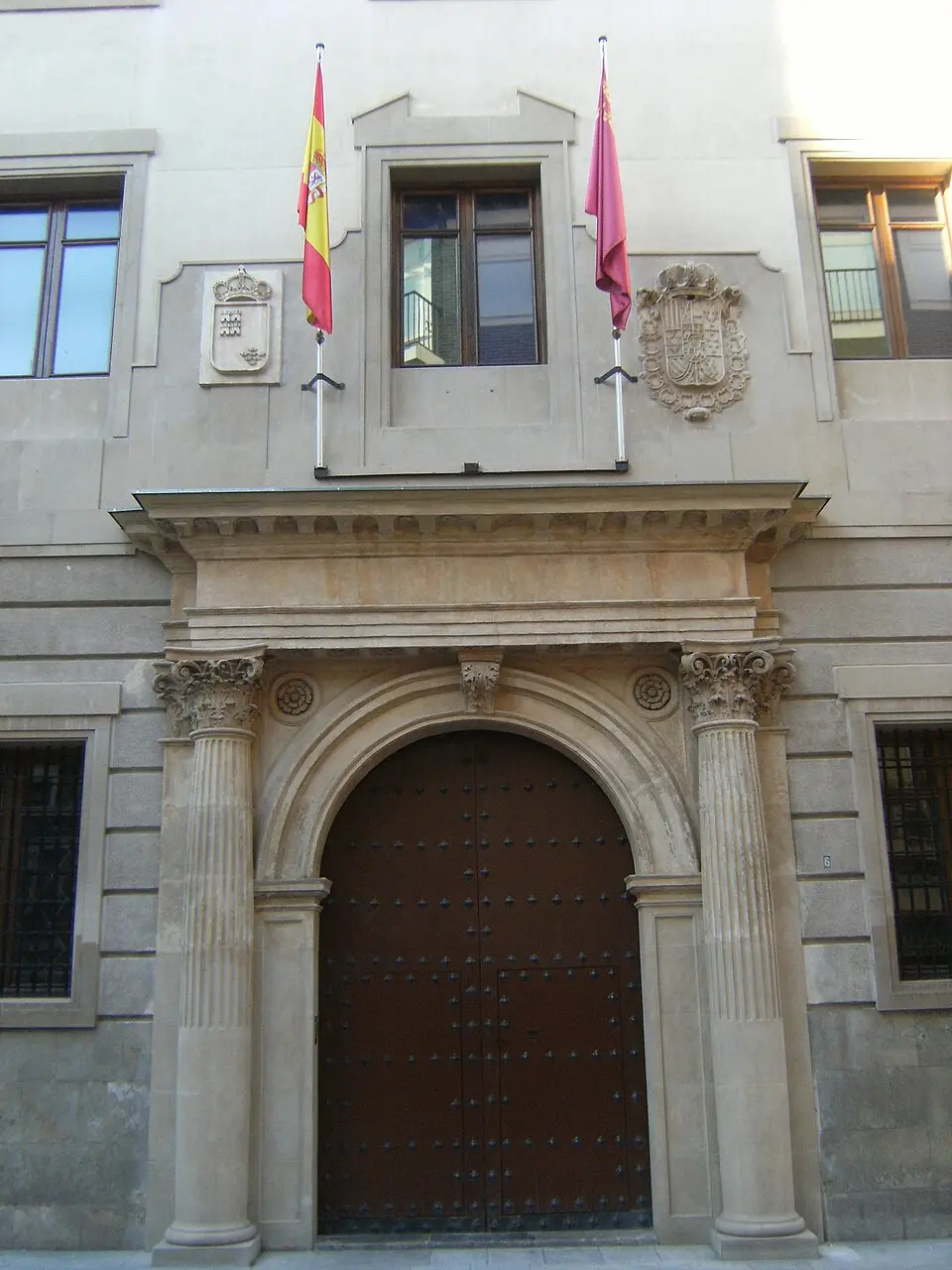
About San Esteban
The Palacio de San Esteban in the center of Murcia is now home to the presidency and the governing council of the autonomous region. The historic complex dates back to the 16th century, when Bishop Esteban de Almeyda sponsored the founding of a Jesuit college named after Saint Stephen. Construction of the main building was completed in 1557, and the church followed in 1569. For centuries, the site served as an important center of religious, scientific, and humanist education, training many scholars and artists of the Kingdom of Murcia. After the expulsion of the Jesuits from Spain in the 18th century, the building served for a time as barracks, and later as a poorhouse and the site of a provincial hospital. In 1931, the complex was declared a national monument, and in 1984, after extensive renovation work, it took on its current political role.
Architecturally, the ensemble impresses with two differently designed courtyards. The older courtyard is Renaissance in style, with elegant Tuscan marble columns, while the later courtyard shows Baroque features. The church, whose facade is designed in the style of a triumphal arch, has a monumental interior with vaulted ceilings that draw on Gothic solutions. Inside you will find the Renaissance tomb of the founder, created by the Italian sculptor Bartolomé de Lugano, as well as an important main altar, considered one of the region's most significant Renaissance monuments. Because the church is now used as a space for temporary exhibitions, some of the historic altars and the tomb are no longer freely accessible.
Besides the palace itself, the adjoining San Esteban garden is of great historical importance. In 2009, while an underground parking garage was being planned here, the remains of an Arab neighborhood from the 12th and 13th centuries were discovered. These finds, which trace back to the old suburb of Arrixaca, were saved from demolition and placed under heritage protection after public protests and court orders. The archaeological remains bear witness to an urban history that is unique in its scale, and plans are currently under way to turn them into a museum display.
At a glance
- Category
- Sight › Historic sites
- Rating
- no reviews yet · write a review
- Address
30005 Murcia, Spain- District
- San Miguel
- Phone
- —
- Website
- es.wikipedia.org
- yacimientosanestebanum@gmail.com
- Coordinates
- 37.98878° N · -1.13353° E
- Data quality
- confidence 0.95
- Identifier
- ID d5566047-f59…
Location & surroundings
Toggle layersRatings & comments
none yetNear San Esteban
closest 5 per category · 2 kmSights
Restaurants
Museums
Hotels
More:Historic sites in Murcia (65)All sights in Murcia (78)
193 places within 2 km loaded.
Don't miss in Murcia
All sights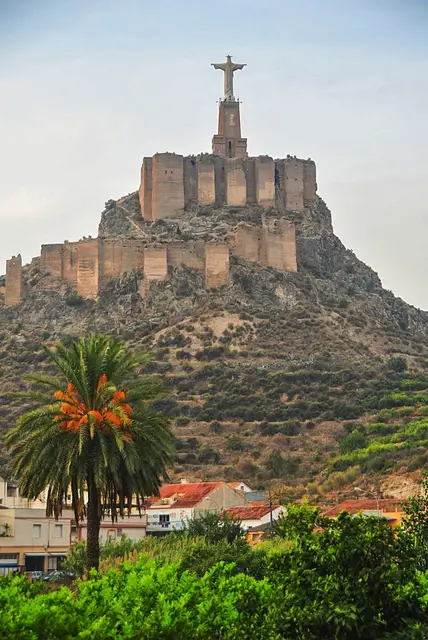 Castles01
Castillo de Monteagudo
C. Paz, 1 · Murcia○ Website○ Phone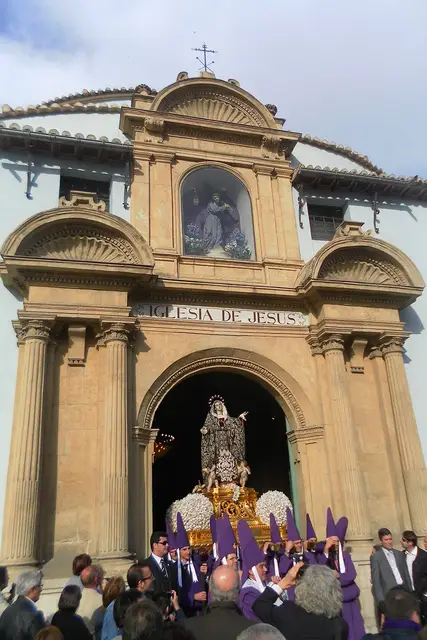 Monuments02
Iglesia de Jesús
Plaza de San Agustín · Murcia○ Website○ Phone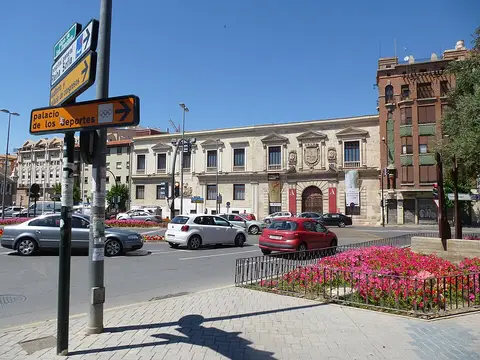 Historic sites03
Palacio Almudí
C. Plano de San Francisco, 8 · Murcia● Website● Phone Monuments04
You need a free account to leave reviews and photos – that keeps comments genuine and lets you edit them later.