Discover Palma: Cathedral, Old Town, and Sea
Travel guide · editorialWhether you arrive by ferry or on your final approach by air, the first thing you see of Palma is the cathedral: a golden colossus that seems to float right above the sea. Mallorca's island capital is long past being a mere stopover on the way to the beaches – a Palma vacation or a short city break is worth it for the old town, the markets, and a way of life that is both Spanish and Mediterranean. And the sea is never more than a few steps away.
Romans, Moors, Kings
The Romans founded the city as Palma in 123 B.C.; later, under Moorish rule, it became a thriving trading city known as Medina Mayurqa. In 1229, James I of Aragon landed in the bay with his fleet and conquered the island. He had vowed to build a cathedral if he won – and so La Seu was born, a building project that took around four centuries. In the 19th and 20th centuries, Palma grew beyond its city walls, and with the mass tourism of the 1960s, the provincial capital became one of Europe's most important vacation hubs.
Sights in Palma
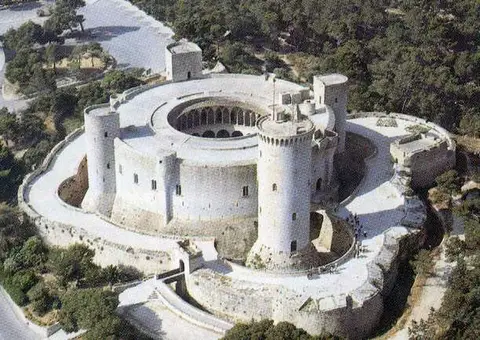
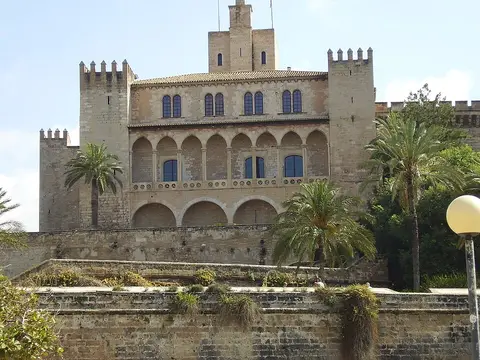
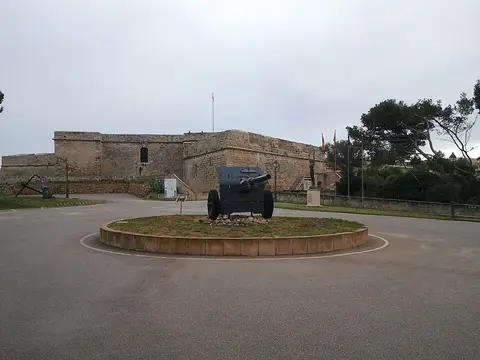
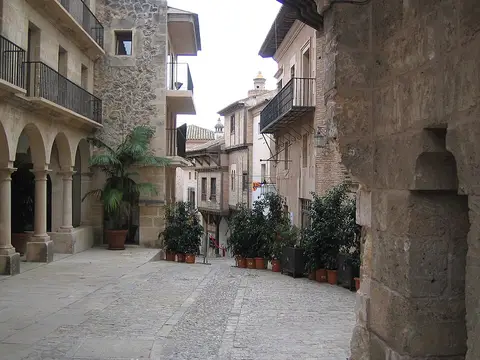
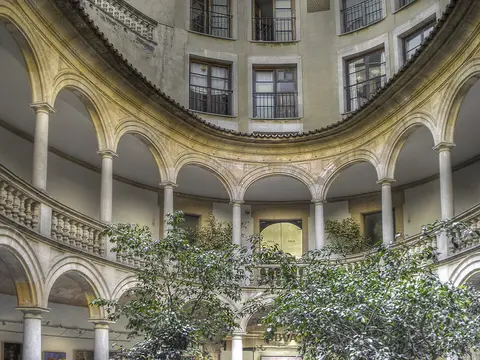
La Seu Cathedral has one of the largest Gothic rose windows in the world; in the morning, the light falls through the glass so that colorful circles drift across the walls. In the early 20th century, Antoni Gaudí redesigned the sanctuary with a floating canopy, and the Mallorcan artist Miquel Barceló turned a side chapel into a ceramic landscape. Next door stands the Royal Palace of La Almudaina, originally a Moorish fortress. The Arab Baths from the 10th century are among the few surviving buildings from the Muslim era. Castell de Bellver, a round Gothic castle with panoramic views over the bay, towers above the city. If you follow the lanes of the old town, you'll discover patios behind heavy gates – magnificent courtyards of the noble palaces, which are open to visitors on certain days.
Neighborhoods Between Centre, Ponent, and Llevant
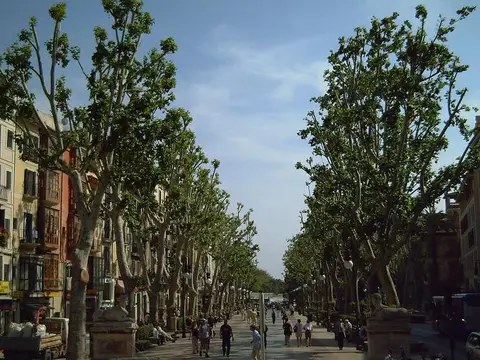
The Districte Centre encompasses the old town with the Jewish quarter of Call, the shopping streets around the Passeig del Born, and Plaça Major. To the west, in the Districte de Ponent, lies Santa Catalina, a former fishing and sailors' quarter that is now the liveliest neighborhood in the city, with its market, cafés, and international restaurants. Right next door, Es Jonquet, with its old windmills, recalls the past. In the east, in the Districte de Llevant, the old industrial zone around Nou Llevant is being transformed into a new residential district, and the path to the beaches of Can Pere Antoni begins at the bay. Farther east, in the Districte de Platja de Palma, hotels line the Playa de Palma and S'Arenal – a very different Mallorca, where the city has been working for years with stricter rules to curb party tourism.
Food and Markets
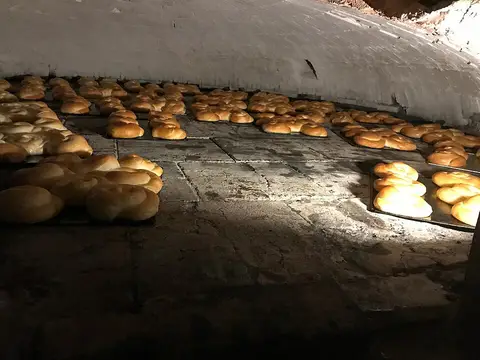
Breakfast goes hand in hand with an ensaïmada, the spiral-shaped lard pastry dusted with powdered sugar that travelers take home in large round boxes. Pa amb oli, bread with tomato, olive oil, and ham or cheese, is the quintessential simple island meal. Add to that sobrasada, a spreadable paprika sausage, frit mallorquí made with offal and vegetables, and in autumn tumbet, a vegetable casserole. The Mercat de l'Olivar near Plaça d'Espanya and the Mercat de Santa Catalina are good places to sample oysters, tapas, or fish at a counter at lunchtime. Restaurants in Palma range from tapas counters to Michelin-starred dining; wines from Binissalem and Pla i Llevant are steadily gaining in reputation.
Going Out and Culture
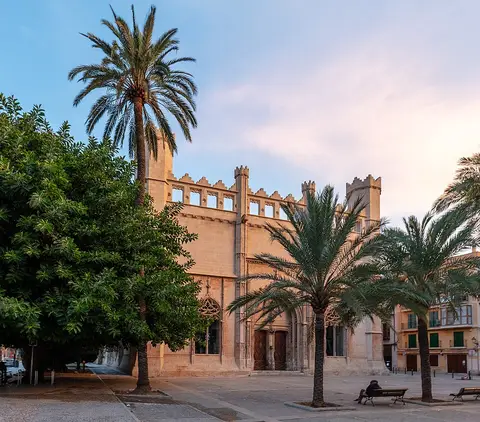
In the evening, the Palmesanos head out on a tapas crawl through La Lonja and Santa Catalina. The Es Baluard Museu d'Art Contemporani, housed in an old bastion, offers art and a terrace overlooking the harbor, while the Fundació Pilar i Joan Miró in Cala Major shows the studios and works of the painter who spent the last decades of his life here. In summer, concerts are held at Bellver Castle.
Getting Around Palma and Best Time to Visit
Son Sant Joan Airport (PMI) is about five miles to the east, and bus line A1 runs to the center. From Plaça d'Espanya, the historic wooden train departs for Sóller through the Serra de Tramuntana, a UNESCO World Heritage Site. The best time to visit is spring and fall, when the weather is mild and fewer cruise ships dock. In February, the island's almond trees also burst into bloom.