Santiago de Compostela: Cathedral, Pilgrims and Rain
Travel guide · editorialOn the Praza do Obradoiro, hikers in dusty boots sit on the paving stones and gaze up at the cathedral facade – for many, the end of a journey that has lasted weeks. Santiago de Compostela has been one of Christendom's great pilgrimage destinations for over a thousand years, but it is also a lively university town. A trip to Santiago is just as rewarding without a backpack and a pilgrim's passport.
The Apostle's Tomb
According to legend, the body of the Apostle James was brought by ship to Galicia after his martyrdom in Jerusalem. In the early 9th century, a hermit is said to have discovered the tomb by the light of a star – hence, supposedly, the name Compostela, the "field of stars." Churches were built over the tomb, and in the Middle Ages hundreds of thousands of pilgrims came here from all over Europe. Today, several hundred thousand people reach the city every year along one of the Camino de Santiago routes, which are a UNESCO World Heritage Site, as is the Old Town itself.
Sights in Santiago
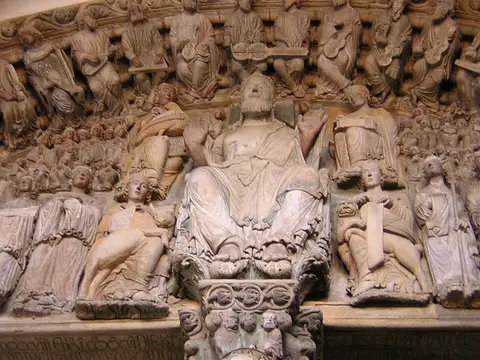
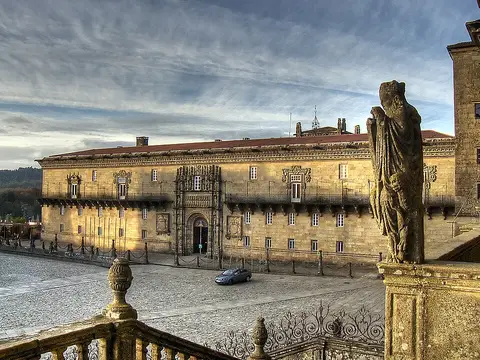
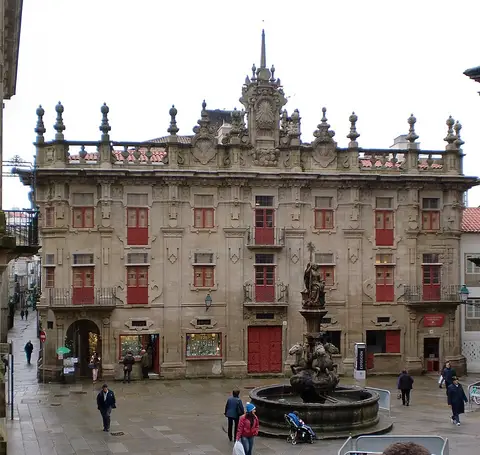
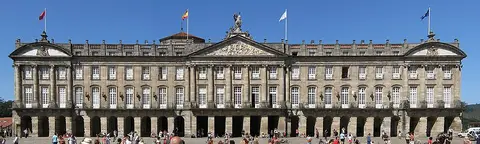
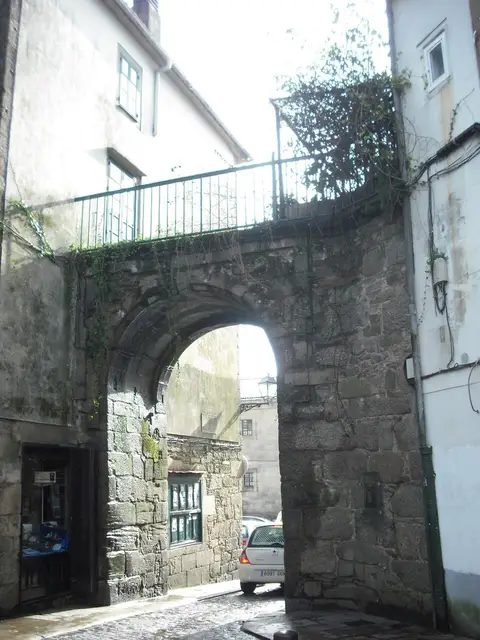
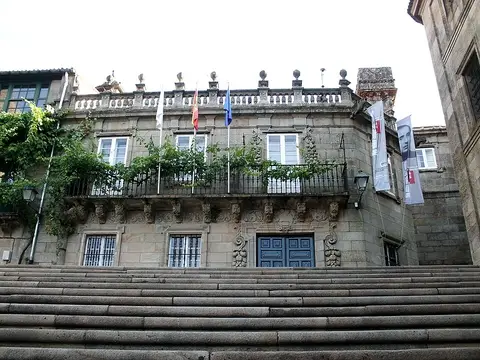
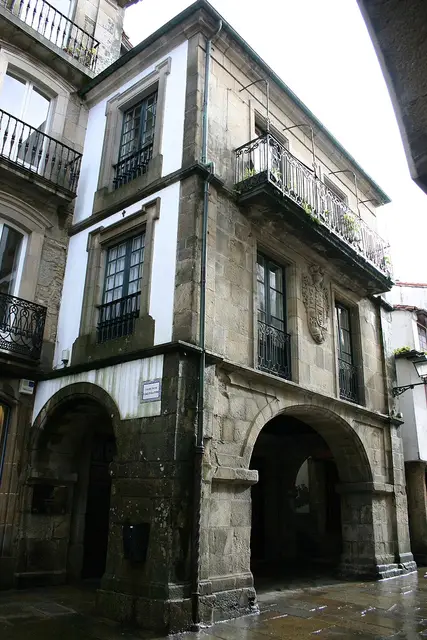
The cathedral, built in the Romanesque style between the 11th and 13th centuries and later given a Baroque facade, is the heart of the city. Behind the facade lies the Pórtico da Gloria by Master Mateo, a narthex with around 200 sculptures that gleams in vivid colors again after a painstaking restoration. During special Masses, the Botafumeiro, a gigantic incense burner, swings on ropes through the transept. Around the cathedral, four squares form a unique ensemble: Obradoiro, with the Hostal dos Reis Católicos, once a pilgrims' hospital and now a parador, plus Praterías, Quintana and Inmaculada. The granite lanes of the Old Town, Rúa do Franco and Rúa do Vilar, are lined with arcades where you can stay dry when it rains.
Museums, Parks and Neighborhoods
The Museum of the Pilgrimages explains the history of the Camino de Santiago, while the Galician Center for Contemporary Art, housed in a building by Álvaro Siza, shows modern works. Next door is Bonaval Park, with an old cemetery that has been transformed into a landscaped park. From the Parque da Alameda you get the classic view of the cathedral's towers. On Monte Gaiás to the east stands the Cidade da Cultura, a monumental cultural complex by Peter Eisenman. The districts of San Lázaro and Biduído lie along the main roads that many pilgrims take into the city.
Eating in Santiago
The Mercado de Abastos, a granite market hall, is the culinary hub: here you can buy seafood, cheese such as the breast-shaped Tetilla, and vegetables from local farmers' wives, and at some stalls you can have your purchases cooked on the spot. Pulpo á feira, Pimientos de Padrón, empanada and caldo galego, a soup with cabbage and potatoes, belong on every menu. For dessert, there is Tarta de Santiago, an almond cake topped with the Cross of St. James in powdered sugar. The restaurants in Santiago and the tapas bars of the Rúa do Franco fill up in the evening with students and pilgrims, and your wine often comes with a free small tapa.
Getting Around and Best Time to Visit
Rosalía de Castro Airport (SCQ) is about 12 kilometers (7.5 miles) to the east, and buses run to the center. By high-speed train, Madrid is reachable in about three hours, and A Coruña and Vigo in just under an hour or less. The Old Town is car-free and small enough to explore on foot. Santiago is considered one of the rainiest cities in Spain; the best time to visit is from May to September. On July 25, St. James's Day, the city celebrates its biggest festival with fireworks in front of the cathedral.