Galicia: The Camino de Santiago, the Rías, and the Atlantic Coast
Travel guide · editorialGalicia is the Spain that doesn't fit the clichés: rain, green hills, granite villages, bagpipe music, and a coastline where the surf pounds against the cliffs. A vacation in Galicia takes you to the end of the Camino de Santiago, to fjord-like inlets of the sea, and to tables laden with seafood that would cost a fortune anywhere else.
Landscape: Rías, Capes, and Green Countryside
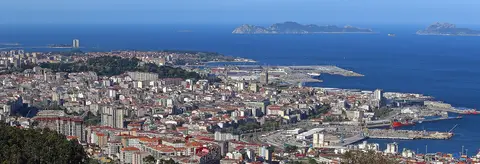
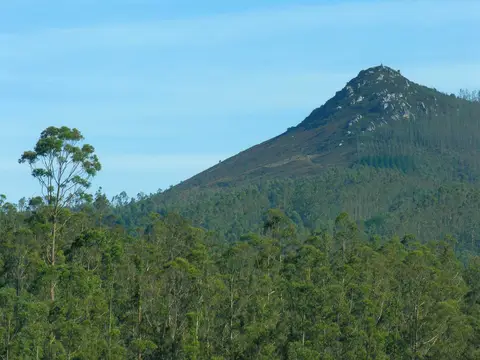
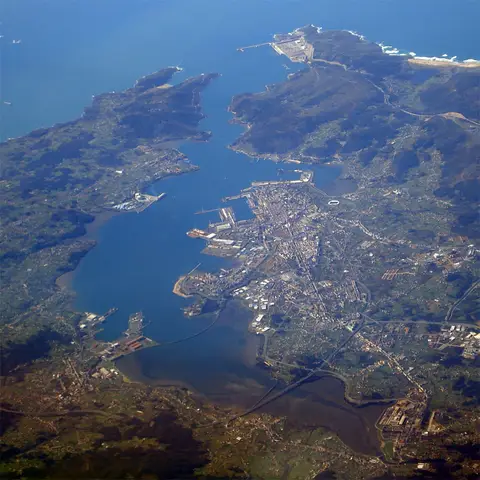
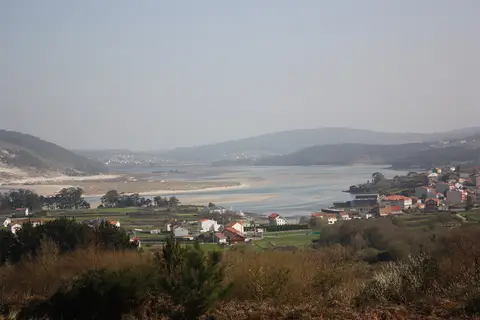
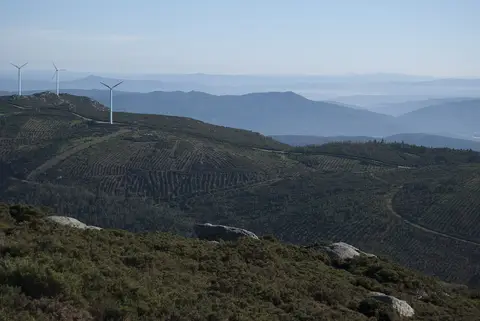
This autonomous community in the far northwest of the Iberian Peninsula borders Portugal to the south and Asturias and Castile and León to the east. With roughly 1,500 kilometers of coastline and countless bays, it has one of the longest coastlines of any region in Spain. The Rías, sea inlets that reach deep inland, define the landscape: the Rías Altas in the north, the Costa da Morte on the wild western tip with Cape Finisterre, and the Rías Baixas in the south with their sheltered beaches. Off Vigo lie the Cíes Islands, part of the Atlantic Islands National Park. Inland, eucalyptus and oak forests alternate with pastures and cornfields; the Miño and Sil rivers have carved deep gorges into the rock, and on their slopes in the Ribeira Sacra, vines grow on terraces. Besides Spanish, people speak Galician, a language closely related to Portuguese.
Santiago de Compostela and the Camino de Santiago
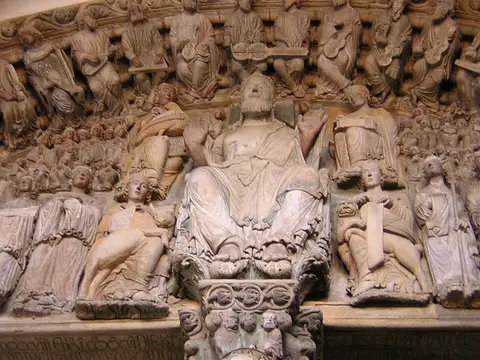
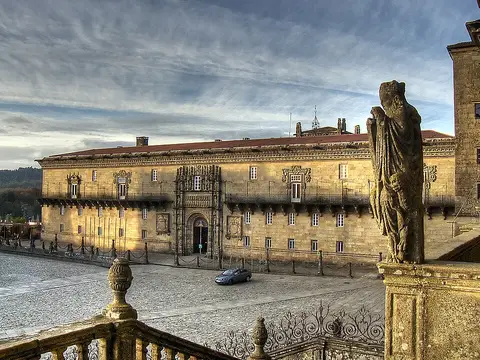
Since the Middle Ages, pilgrims have journeyed to the tomb of the Apostle James. The Cathedral of Santiago, with its Portico da Gloria and the Botafumeiro, a gigantic incense burner, is the endpoint of several routes, above all the Camino Francés. The granite old town, whose arcades offer shelter from the rain, is a UNESCO World Heritage Site. On the Praza do Obradoiro, weary pilgrims, students from the old university, and tour groups all converge. Many walk on to Fisterra or Muxía on the coast, where the Way symbolically ends at the sea.
A Coruña, Vigo, and the Other Cities
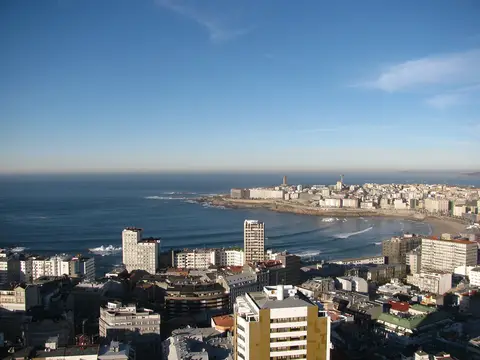
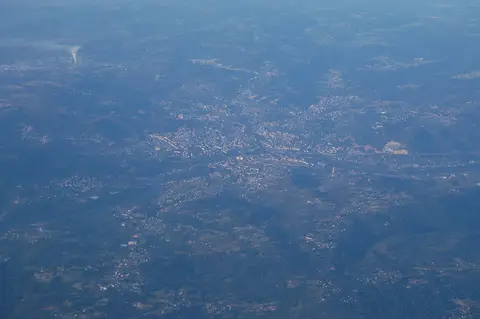
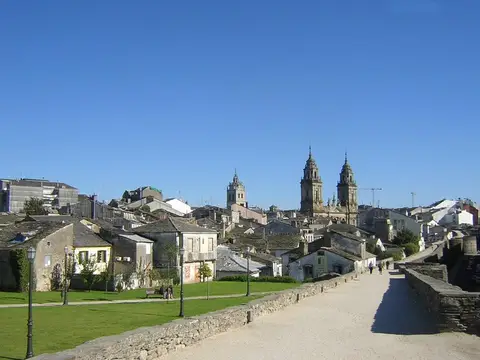
A Coruña is a port city with glassed-in galleries on the houses along the Avenida da Mariña and the Tower of Hercules, the oldest lighthouse still in operation in the world, dating from Roman times. Long city beaches such as Riazor and Orzán lie right in the middle of town. Vigo, the largest city, is Spain's most important fishing port; on the Rúa da Pescadería, women at their stands shuck fresh oysters. Pontevedra has an almost car-free old town with plazas, and Ferrol has shipyards and military history. Lugo is surrounded by a fully preserved Roman city wall, on which you can stroll for about two kilometers, and Ourense has hot springs such as the Burgas, where you can soak for free on the riverbank.
Galicia's Sights Along the Coast
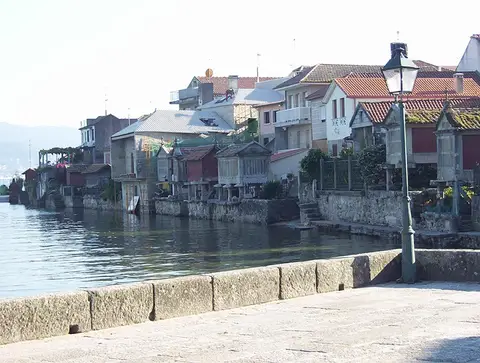
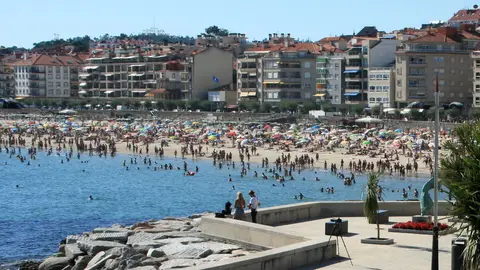
Among the most popular destinations in Galicia is the Ría de Arousa, with islands such as A Illa de Arousa and the fishing town of Cambados, the center of Albariño wine. Sanxenxo is the best-known beach resort of the Rías Baixas, and Combarro has hórreos, stone granaries, right at the water's edge. On the north coast, the Praia das Catedrais near Ribadeo draws visitors with rock arches that are accessible at low tide; in summer, visitor numbers are limited. The cliffs of Vixía Herbeira are among the highest in Europe, and the pilgrimage site of San Andrés de Teixido sits high above the sea.
Pulpo, Percebes, and Albariño
In Spain, Galicia is considered the land of seafood. Pulpo á feira, boiled octopus with paprika, salt, and olive oil served on wooden plates, is eaten at markets and festivals, especially in O Carballiño. Percebes, or gooseneck barnacles, are harvested from dangerous rocks. Empanada gallega, a filled savory pie, and Tetilla, a cow's-milk cheese, are on every tapas counter. To finish, there's Tarta de Santiago made with almonds, or a flaming queimada made with pomace brandy. The white wine Albariño from the Rías Baixas and the Mencía from the Ribeira Sacra are the best-known wines. In summer, almost every village holds a festa, some of them dedicated to a single specialty.
Getting There and the Best Time to Visit
Santiago, Vigo, and A Coruña have airports; direct flights from Germany go mainly to Santiago. High-speed trains connect Madrid with Ourense, Santiago, and A Coruña in roughly three to four hours, and a coastal railway runs on narrow gauge to Asturias. The best time to visit is June through September, when it is warmest and driest, without reaching the heat of inland Spain. In spring and fall, the Camino is less crowded, but you should always have rain gear with you.