Discover Vigo: Oysters, Harbor, and the Cíes Islands
Travel guide · editorialVigo is Galicia's largest city and one of the most important fishing ports in the world – a place where you can eat fresh oysters at a street-side counter in the morning and take a ferry to Caribbean-looking beaches in the afternoon. For a vacation on Galicia's Rías Baixas, Vigo is the ideal base. If you're planning a trip to Vigo, bring an appetite and plenty of sunscreen.
Sights in Vigo
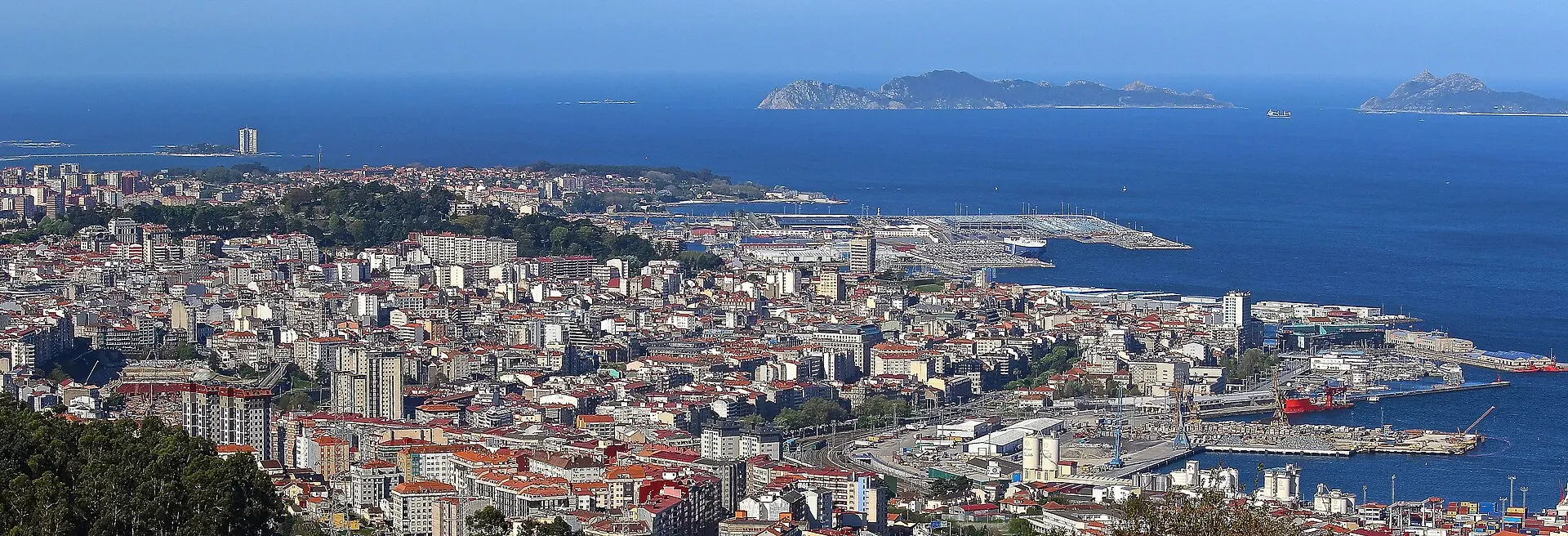
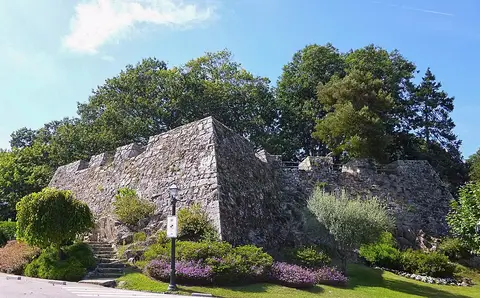
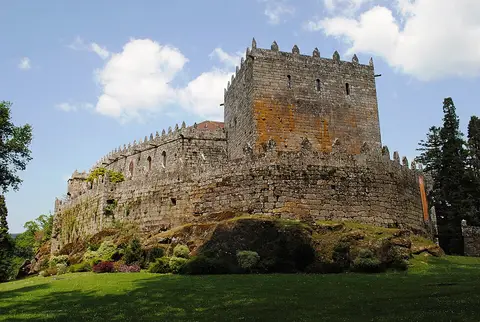
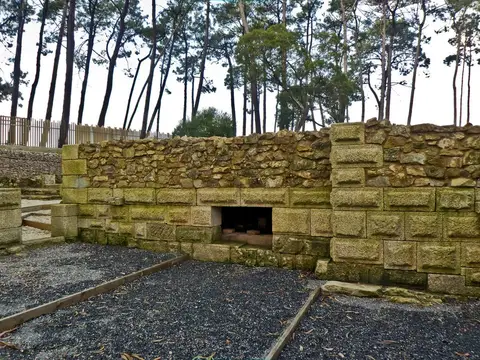
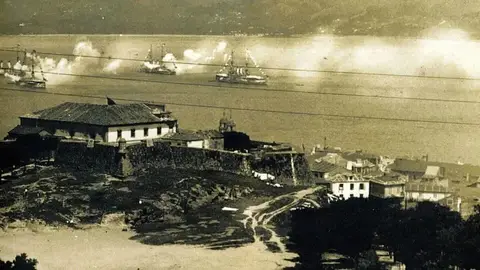
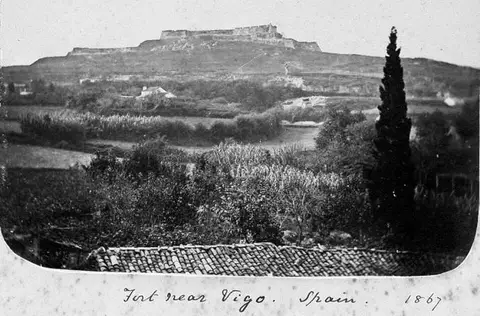
Monte do Castro rises above the city, with the remains of a 17th-century fortress and traces of a Celtic settlement. From up here you can take in the entire Ría de Vigo, the harbor with its cranes, and the Rande Bridge. Down by the water lies the old fishing quarter of O Berbés, with its arcades and stone houses, which gives way to the steep lanes of the old town, Casco Vello. The Concatedral de Santa María and the Praza da Constitución form its heart. The modern center along Calle Príncipe is where you go shopping, and Castrelos Park, with the Pazo Quiñones de León, a stately country manor with a museum and gardens, invites you to take a stroll. At Christmastime, Vigo is known throughout Spain for its lavish light displays, which draw large numbers of visitors every year.
The Cíes Islands
The Illas Cíes at the mouth of the Ría are part of the Atlantic Islands of Galicia National Park. Playa de Rodas, a white sandy arc between two islands, is often counted among the most beautiful beaches in the world. There are no cars, and hiking trails lead to lighthouses and viewpoints with gull colonies. The number of visitors is limited; during the season, the boat crossing from the port of Vigo requires a permit from the regional government, which you apply for online in advance. The water is chilly, though, even in August.
Eating in Vigo
On Rúa da Pescadería, known locally as the "Calle de las Ostras" (Oyster Street), oyster sellers shuck their wares right at marble tables, and the restaurants next door serve a glass of Albariño from the nearby Rías Baixas wine region. Pulpo á feira, navajas (razor clams), zamburiñas (small scallops), and grilled fish appear on every menu. The Mercado da Pedra and the Mercado do Progreso are good places to find fresh seafood. Compared with other cities, the restaurants in Vigo offer surprisingly high quality for little money. In the evening, people gather in the bars of the Casco Vello and around the Praza da Princesa.
Beaches and Surroundings
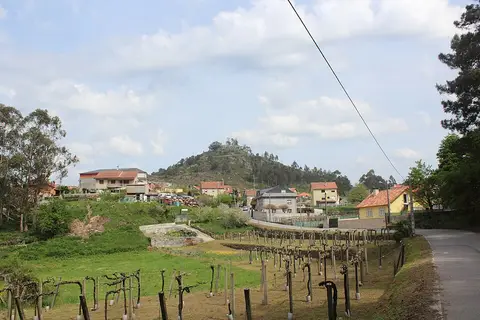
Vigo has its own city beaches, such as Samil, with a promenade and sports facilities. South of the city lies Baiona, where in 1493 the caravel Pinta was the first ship to bring news of Columbus's discovery to Europe; a replica sits in the harbor. Nearby Panxón and the beaches of Nigrán are popular with families. Inland, Redondela with its railway viaducts and the Portuguese border town of Valença are worth a visit.
Getting Around and Best Time to Visit
Peinador Airport (VGO) is about 10 kilometers (6 miles) to the east, and buses run to the center. From Vigo-Urzaiz station there are fast connections to Santiago and Madrid, and Porto can also be reached by train. The best time to visit is summer, when ferries run to the Cíes Islands and the weather is stable.