Discover A Coruña: Tower of Hercules and Glass Galleries
Travel guide · editorialOn Galicia's Atlantic coast stands the oldest working lighthouse in the world – and around it, a city that lives on sea, wind, and pulpo. A Coruña is open, lively, and refreshingly uncrowded. A city break in A Coruña combines Roman history, glass-fronted facades, and one of the longest waterfront promenades in Europe.
Sights in A Coruña
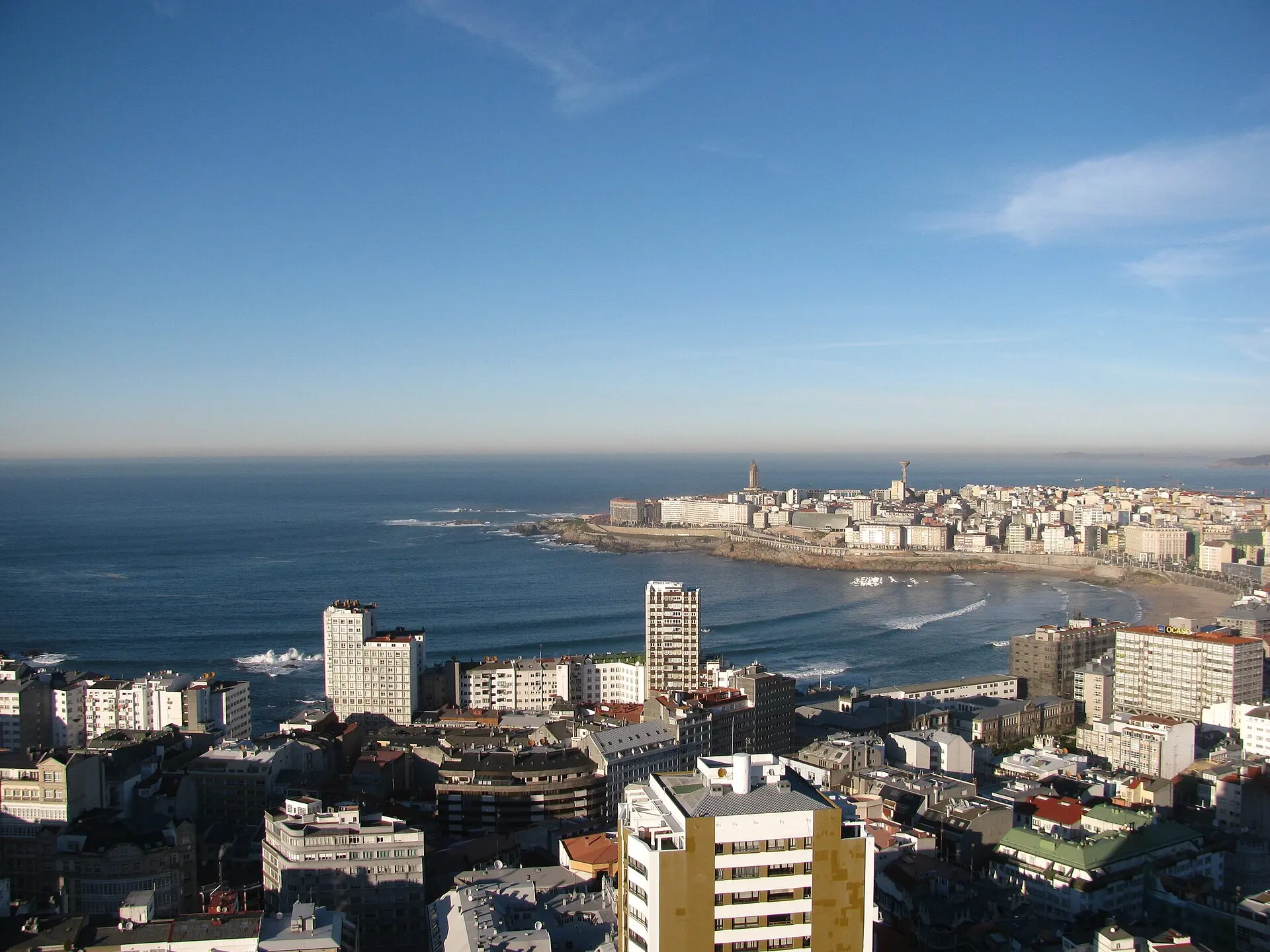
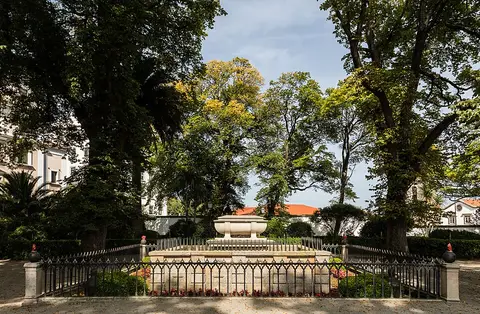
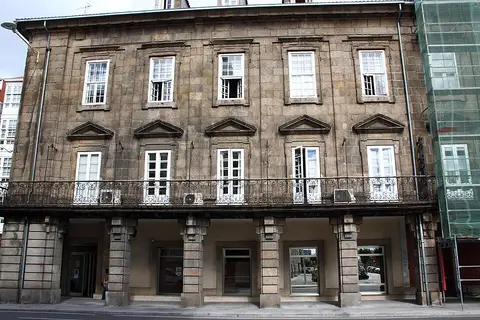
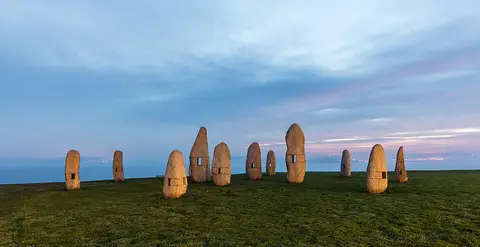
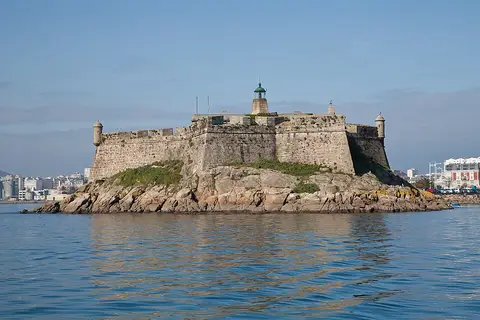
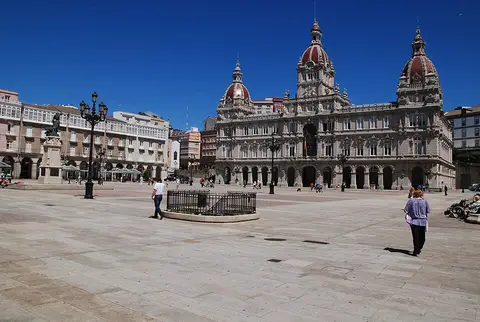
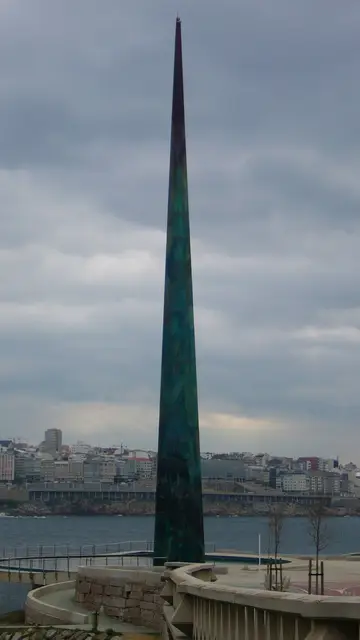
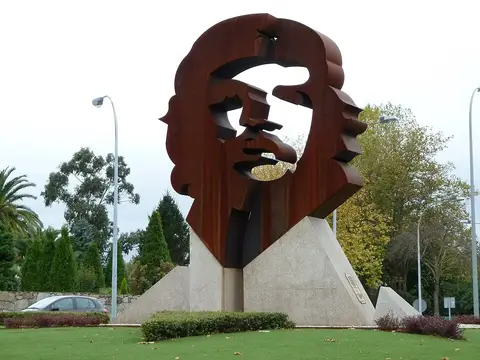
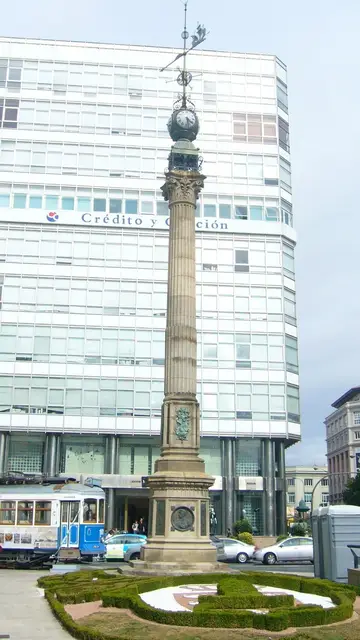
The Torre de Hércules was built by the Romans in the 1st century, encased in a new shell in the 18th century, and still shines today; since 2009 it has been a UNESCO World Heritage Site. According to legend, Hercules defeated the giant Geryon here and built the tower on his grave. Around the lighthouse lies a sculpture park with views of the Atlantic. The Avenida da Mariña is famous for its galerías, glazed wooden balconies that have earned the city the nickname "City of Glass." Behind it opens the Praza de María Pita with the town hall, named after a heroine who led the defense against the English fleet under Francis Drake in 1589. The old town, Cidade Vella, with Romanesque churches such as Santa María do Campo and the tomb of the British general John Moore in the Jardín de San Carlos, is surprisingly quiet.
Promenade, Beaches, and Museums
The Paseo Marítimo stretches for about 8 miles (13 kilometers) around the peninsula – ideal for walking or cycling, and its red streetlamps are a trademark. Right in the city lie the beaches of Riazor and Orzán, where surfers hit the water year-round. The Domus, a museum about human beings in a building by Japanese architect Arata Isozaki, the Aquarium Finisterrae, and the Museum of Science together make up the Museos Científicos Coruñeses. From Monte de San Pedro, reached by a glass spherical elevator, you get sweeping views over the city and coast.
Eating in A Coruña
The restaurants in A Coruña are concentrated in the lanes behind Plaza de María Pita, especially on Calle Estrella, Calle Galera, and Calle Barrera. Here you'll find pulpo á feira, boiled octopus with paprika and olive oil, zamburiñas (small scallops), percebes (goose barnacles), and empanada gallega filled with tuna or mussels. It's all washed down with a crisp Albariño or Ribeiro served in white porcelain bowls. To finish, an orujo, the Galician pomace brandy, or a queimada, which is prepared while flaming, is the perfect fit. The Mercado de San Agustín and the market hall on Plaza de Lugo offer the freshest catch. In the evening the city is lively, especially on weekends around Orzán.
Neighborhoods and Nightlife
The center sits on a narrow isthmus between the harbor and the open Atlantic, so with just a few steps you go from calm harbor basin to crashing surf. Shopping happens around Plaza de Lugo and Calle Real – it was here, incidentally, that the fashion group Inditex, founded in nearby Arteixo, opened its first Zara store. In the evening, life shifts to the bar districts around Calle Orzán and Praza do Humor, where students and locals party late into the night.
Getting Around and Best Time to Visit
Alvedro Airport (LCG) is about 5 miles (8 kilometers) to the south, with buses running to the center. By high-speed train, Madrid is reachable in about three and a half hours, Santiago de Compostela in roughly half an hour. The best time to visit is summer, when the weather is most settled; the climate is mild but rainy. In August the city celebrates the Fiestas de María Pita with concerts and fireworks. Day trips lead to the Costa da Morte, to Betanzos, or to the fishing town of Sada.