Andalusia: The Alhambra, White Villages and the Costa del Sol
Travel guide · editorialThink of Spain, and images of the south often come to mind: orange trees in patios, flamenco in smoky tablaos, bullrings and whitewashed villages clinging to hillsides. A vacation in Andalusia brings together eight provinces between the Atlantic and the Mediterranean, nearly eight centuries of Moorish history and a cuisine best discovered standing up at a tapas bar.
Between the Sierra Nevada and Two Seas
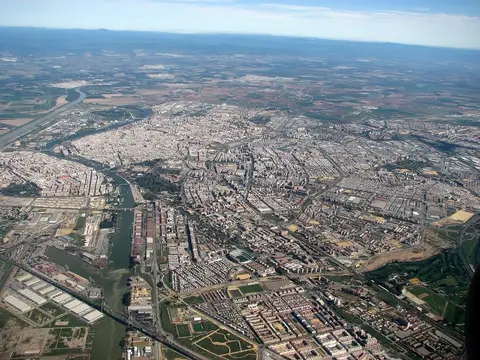
Andalusia is the most populous of Spain's autonomous communities and, after Castile and León, the second largest. In the north, the Sierra Morena separates the region from the Meseta; in the southeast, the Sierra Nevada rises to Mulhacén at roughly 3,480 meters (about 11,420 feet), the highest peak on the Iberian Peninsula. In between, the Guadalquivir River flows through a broad, fertile valley where olive groves stretch to the horizon; the province of Jaén alone produces a considerable share of the world's olive oil. At the river's mouth lies Doñana National Park, a wetland with flamingos, shifting dunes and the rare Iberian lynx. The east is a different world entirely: in the province of Almería, cacti grow in the Tabernas Desert, and at Cabo de Gata volcanic rock drops into clear water. The Costa de la Luz on the Atlantic is windy, wide and less built up than the Costa del Sol on the Mediterranean.
Seville, Málaga and Granada: The Big Cities
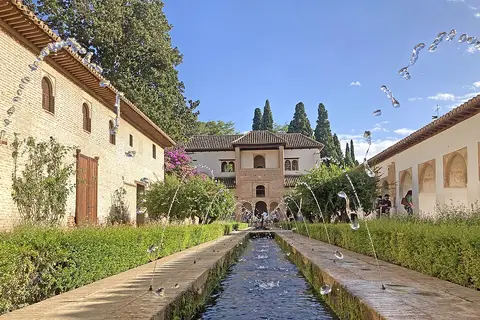
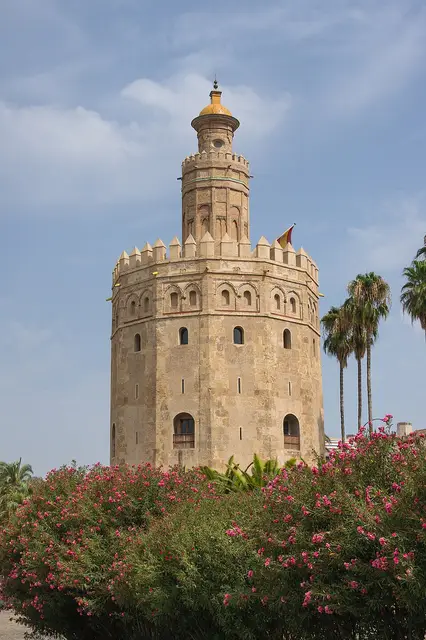
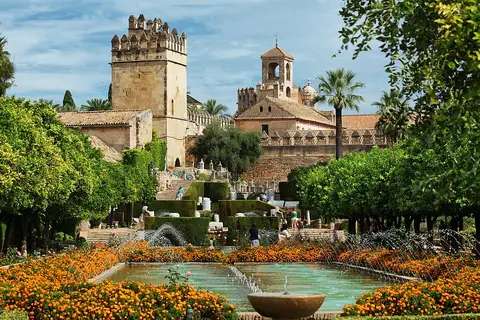
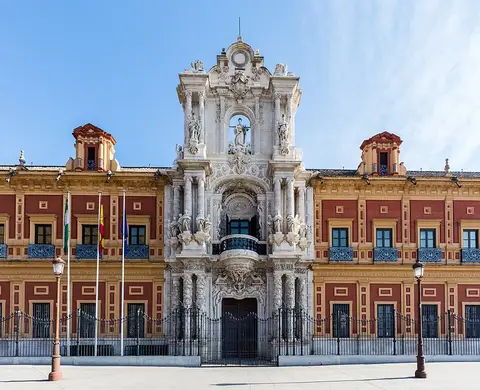
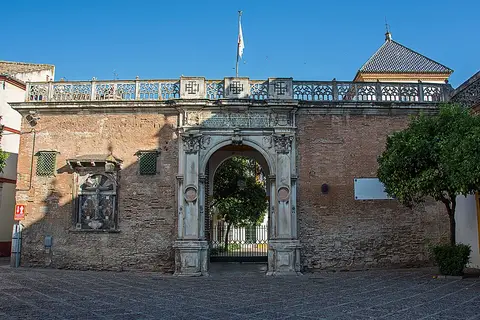
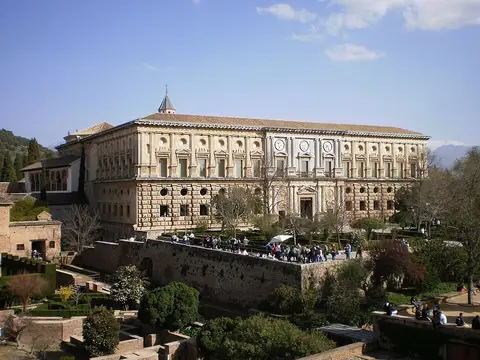
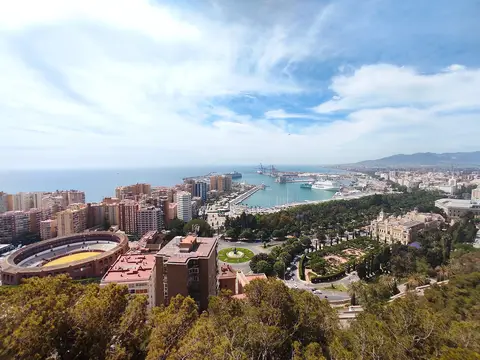
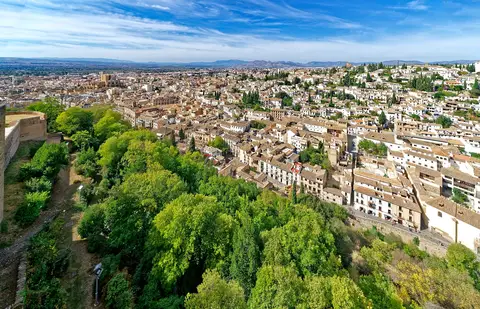
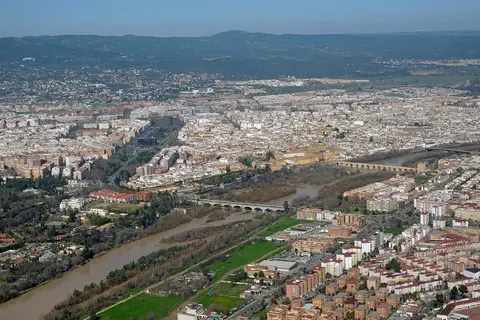
Seville, the capital, is the place for processions and patios. The cathedral, with the Giralda, a former minaret, is among the largest Gothic churches in the world, and right next to it stands the Real Alcázar with its Mudéjar halls and gardens. Across the river, the Triana neighborhood is home to potters and flamenco families. Málaga has transformed itself from a transit airport into a cultural city: Picasso's birthplace, the Museo Picasso, a branch of the Centre Pompidou and the Moorish Alcazaba above the harbor make it a destination in its own right. Granada, in turn, lives in the shadow, and the glory, of the Alhambra. Across from the palace complex, the Albaicín climbs the hillside with white lanes, and in Sacromonte Gitanos once lived in caves. Córdoba, finally, preserves in its Mezquita-Cathedral a building in which a forest of columns from the 8th to 10th centuries encloses a Renaissance church; in May, residents open their flower-decked courtyards to visitors.
Sights in Andalusia Beyond the Big Cities
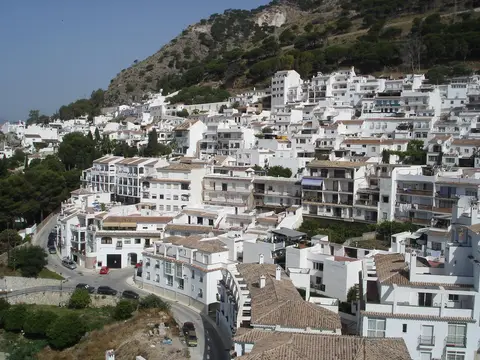
Among the loveliest destinations in Andalusia are the Pueblos Blancos, the white villages in the mountains between Cádiz and Málaga. Ronda perches above the El Tajo gorge, spanned by an 18th-century bridge; Arcos de la Frontera, Grazalema and Zahara de la Sierra sit on cliff edges or beside reservoirs. In the Axarquía east of Málaga, villages such as Frigiliana and Cómpeta climb the slopes between avocado plantations and vineyard terraces. Úbeda and Baeza in the province of Jaén are Renaissance ensembles and UNESCO World Heritage Sites. Cádiz, one of the oldest cities in Western Europe, is almost completely surrounded by water and celebrates a carnival in February with satirical choirs. If you're looking to hike, the Alpujarras on the southern flank of the Sierra Nevada offer mountain villages with flat roofs and irrigation channels dating from Moorish times.
Costa del Sol and Coastal Towns
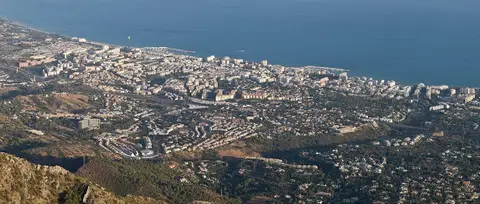
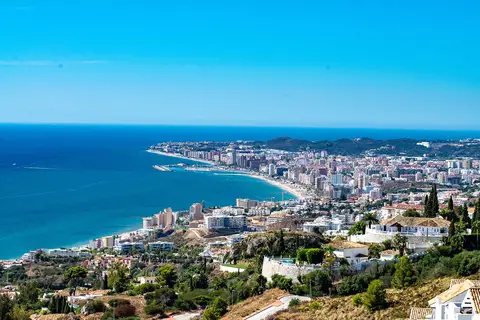
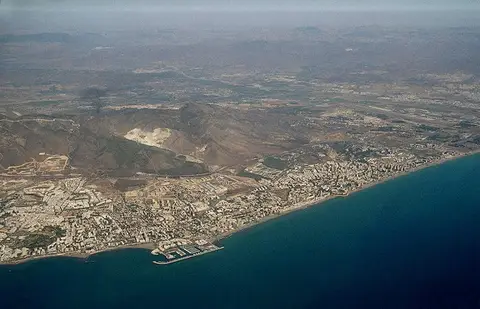
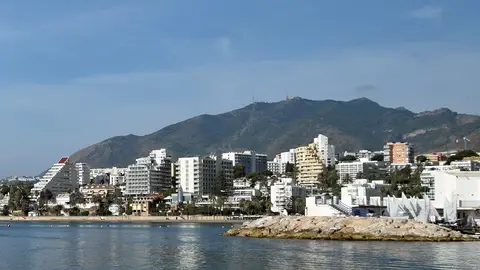
Between Málaga and Gibraltar, Torremolinos, Benalmádena, Fuengirola and Marbella follow one after another. Torremolinos was one of the first mass-tourism beach resorts in the 1960s, while Marbella, with its small old town and the Puerto Banús marina, represents the upscale end of the market. If you prefer a quieter swim, head to Nerja with its stalactite cave, to the beaches of Tarifa, a hot spot for kitesurfers with views of Morocco, or to Bolonia with its Roman ruins right behind the dune.
Flamenco, Ferias and Tapas
Andalusia is the home of flamenco, which has been recognized as intangible cultural heritage since 2010. In Jerez de la Frontera, Seville and Granada, you'll find peñas where locals listen too. Semana Santa before Easter, the Feria de Abril in Seville, the Feria de Málaga in August and the pilgrimage to El Rocío are highlights of the festival calendar. Culinarily, much revolves around olive oil, fish and ham: cold gazpacho and the thicker salmorejo from Córdoba, fried fish (pescaíto frito) in Cádiz and Málaga, and jamón ibérico from Jabugo in the province of Huelva. In Granada, every drink traditionally comes with a free tapa. Sherry from the triangle between Jerez, El Puerto de Santa María and Sanlúcar de Barrameda, where manzanilla is aged, makes a fitting companion.
Getting There and Best Time to Visit
Málaga Airport is the main gateway to the region, along with Seville, Granada, Almería and Jerez. High-speed trains (AVE) connect Madrid with Seville and Málaga in about two and a half hours, and regional trains and buses run between the cities. A rental car is practical for the mountain villages. Spring and fall are considered the best times to visit: in July and August, temperatures in the Guadalquivir Valley regularly climb above 104°F (40°C), while winters stay mild on the coast and skiing is possible in the Sierra Nevada.