Discover Málaga: Picasso, the Alcazaba, and Espetos
Travel guide · editorialFor a long time, Málaga was seen as little more than the arrival airport for the Costa del Sol – today, many travelers stay right in the city. Picasso's birthplace has reinvented itself with museums, a spruced-up harbor, and a lively tapas scene. For a winter city break or a beach vacation in Málaga, it offers a mild climate and plenty of culture within short distances.
Phoenicians, Moors, and a Painter
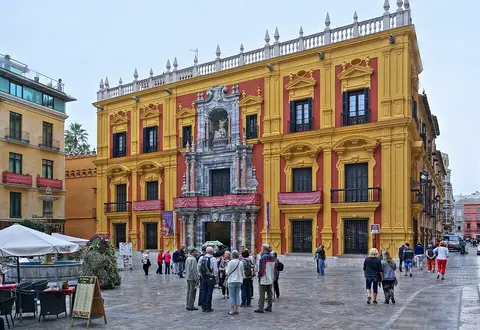
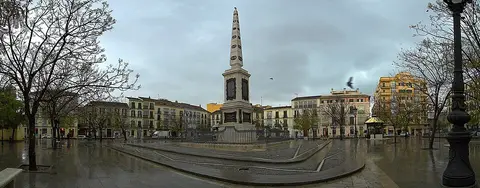
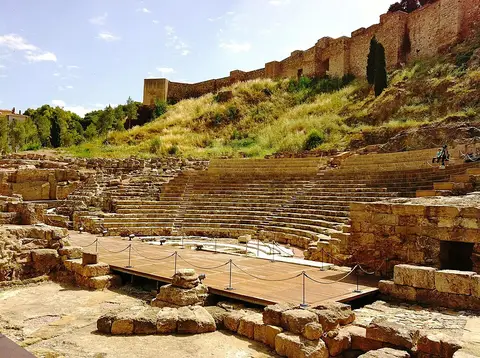
Phoenician traders founded the settlement of Malaka here some 2,800 years ago. Under the Romans, a theater was built, and its tiered seating is now exposed at the foot of the Alcazaba. The Moors developed Málaga into an important port, until the Catholic Monarchs took the city in 1487 after a long siege. In the 19th century, industry and the wine trade brought prosperity; in 1881, Pablo Picasso was born on the Plaza de la Merced. After decades as a place people simply passed through, the city began betting on culture in the 2000s – with visible success.
Sights in Málaga
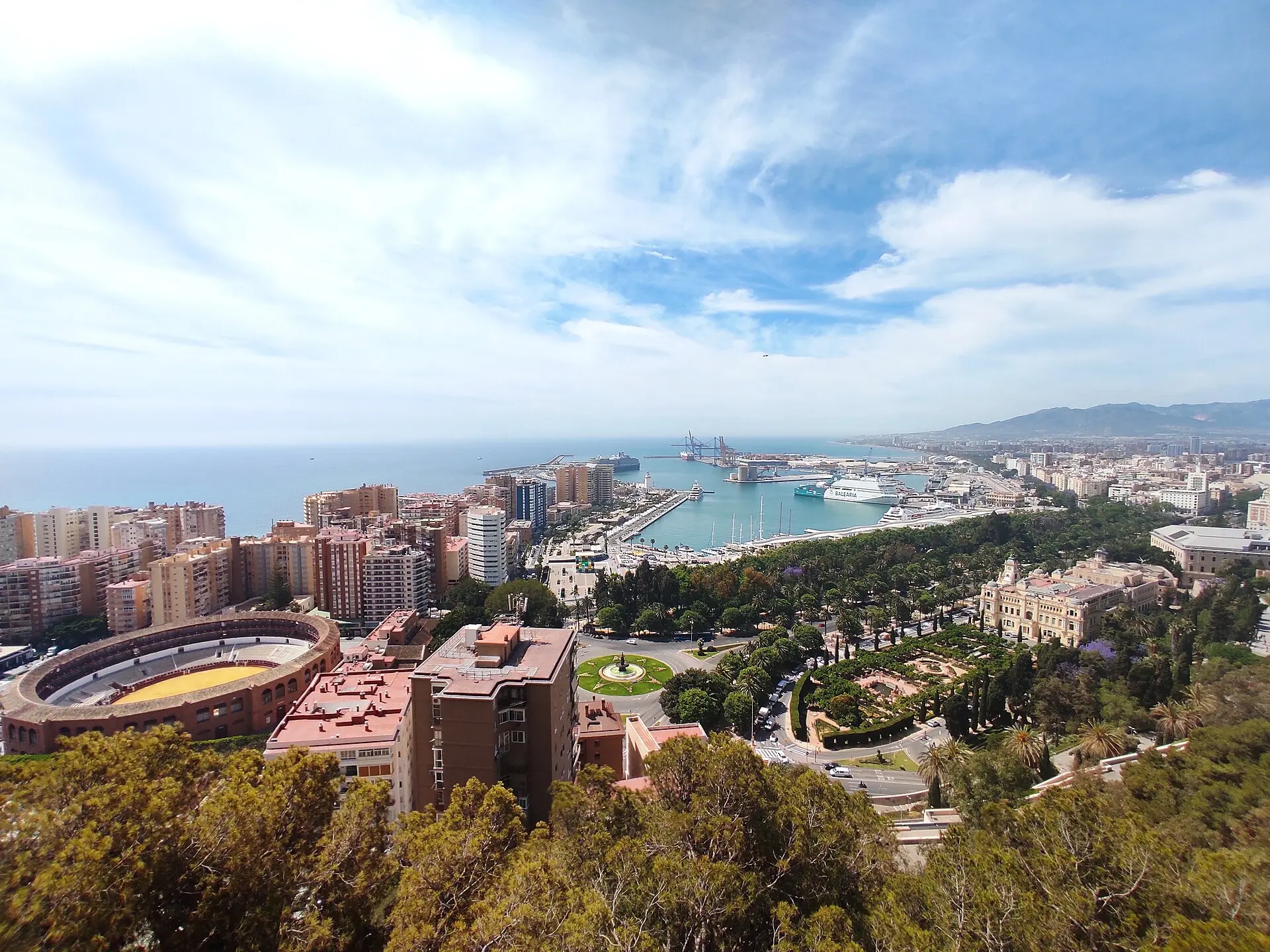
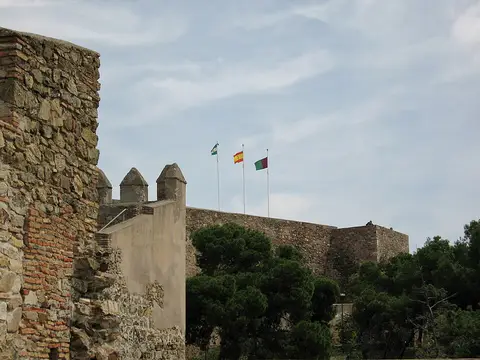
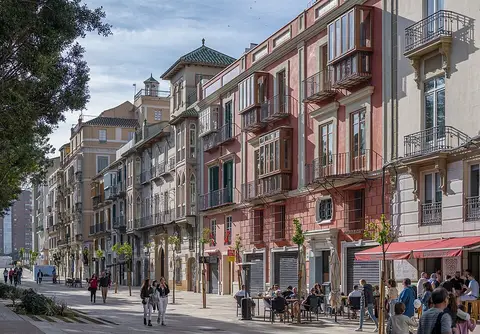
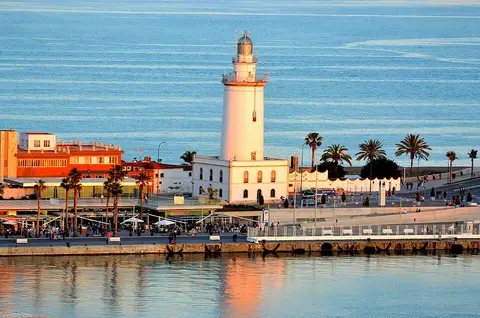
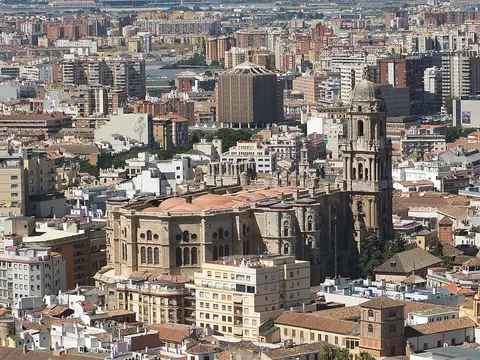
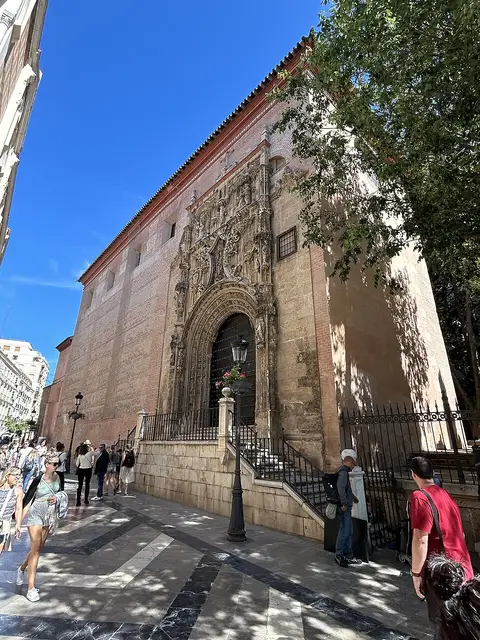
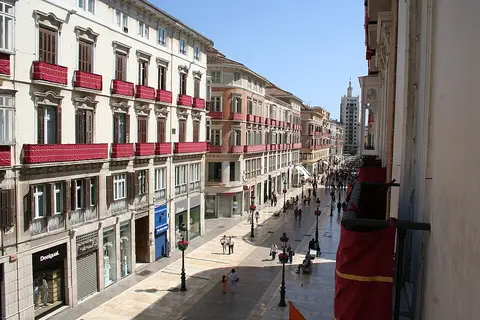
The Alcazaba, an 11th-century Moorish fortress, climbs the hillside in terraces of gardens, fountains, and arched gateways. Above it stands the Castillo de Gibralfaro, whose walls offer views over the harbor, the bullring, and the bay. The cathedral is nicknamed "La Manquita," the one-armed lady, because its second tower was never completed – the money supposedly went to the American War of Independence. The Calle Marqués de Larios, paved with marble, is the old town's promenade. At the harbor, the Muelle Uno, lined with palm trees and shops, leads to the lighthouse, and just beyond it begins the city beach of La Malagueta. Running parallel to the harbor is the Parque de Málaga, a shady avenue of tropical plants that makes a welcome retreat from the heat in summer. If you want to see the city from above, take the footpath up to Gibralfaro in the late afternoon, when the light falls softly across the bay.
Museums and Neighborhoods
The Museo Picasso Málaga in the Palacio de Buenavista shows works from every phase of his career, while his birthplace on the Plaza de la Merced documents his childhood. The Centre Pompidou Málaga sits beneath a colorful glass cube at the harbor, and the Museo Carmen Thyssen is devoted to 19th-century Andalusian painting. Most of the bars and cafés are in the Centro Histórico and around La Merced. On the far side of the Guadalmedina River, the Soho district in Ensanche Centro has become an artists' quarter with large-scale street art, while Huelin and Cruz de Humilladero show how the Malagueños live away from the tourist crowds. On the city's edge, in Churriana, you'll find the airport, along with quiet villas and hills.
Eating in Málaga: Espetos and Sweet Wine
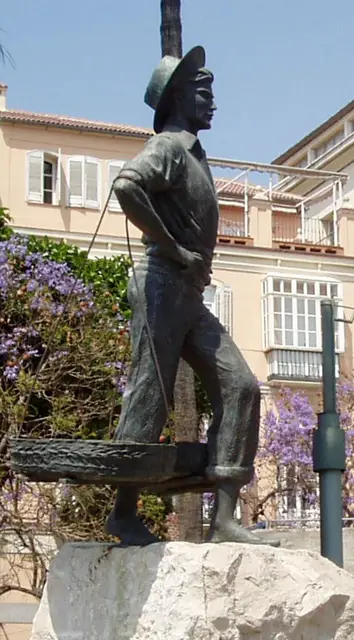
The signature dish of the beachfront is espetos: sardines skewered on cane and grilled over wood embers in old fishing boats – best enjoyed in Pedregalejo or El Palo. Fritura malagueña (fried fish), porra antequerana (a thick, cold tomato soup), and ajoblanco made from almonds and garlic are all must-tries. At the Mercado de Atarazanas, a market hall behind a Moorish archway, you can sample fresh seafood at the counters. If you order coffee, you'll need to know the local scale: from the nearly black "Solo" to the milky "Sombra." A glass of sweet Málaga wine made from Muscat grapes goes nicely with it, poured straight from the barrel in long-established bodegas.
Festivals and Nightlife
During Semana Santa, processional floats weighing tons are carried through the old town by hundreds of men and women – one of the most impressive Easter celebrations in Andalusia. In August, Málaga celebrates the Feria for a full week with flamenco, horses, and a fairground atmosphere. In the evening, life spreads out across rooftop terraces, the tapas bars around the Plaza de la Merced, and the restaurants along La Malagueta.
Getting Around Málaga and the Best Time to Visit
Málaga-Costa del Sol Airport (AGP) is connected to the center by Cercanías train in about ten minutes; the AVE high-speed train reaches Madrid in just under three hours. You can explore the old town on foot, and a small metro system supplements the buses. The best times to visit are spring and fall, but even in January, 63°F is not unusual. Day trips lead to the spectacular Caminito del Rey, to Ronda perched above its gorge, or to the white villages of the Axarquía.