Discovering Granada: The Alhambra, the Albaicín, and Free Tapas
Travel guide · editorialIn the evening, the red walls of the Alhambra glow against the snow-capped peaks of the Sierra Nevada – a sight that alone makes a trip to Granada worthwhile. The city was the Moors' last stronghold in Spain, and that legacy still shapes it today. A vacation in Granada means palace art, steep lanes, and a free tapa with every drink.
The Last Emirate
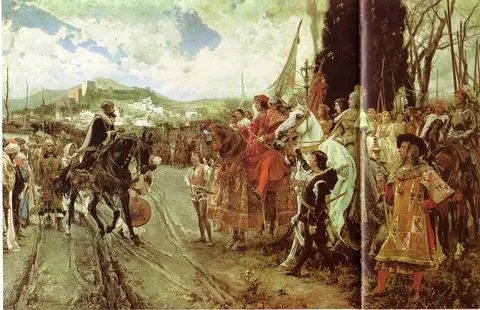
Beginning in 1238, the Nasrid dynasty ruled the Emirate of Granada here, which lasted more than 250 years while the rest of the peninsula was already Christian. The Alhambra was built during this period. On January 2, 1492, Boabdil, the last emir, surrendered the city to the Catholic Monarchs Isabella and Ferdinand, who are buried in the Capilla Real next to the cathedral. Legend has it that Boabdil wept as he said farewell at a mountain pass – the spot is still known today as the "Moor's Sigh."
Sights in Granada
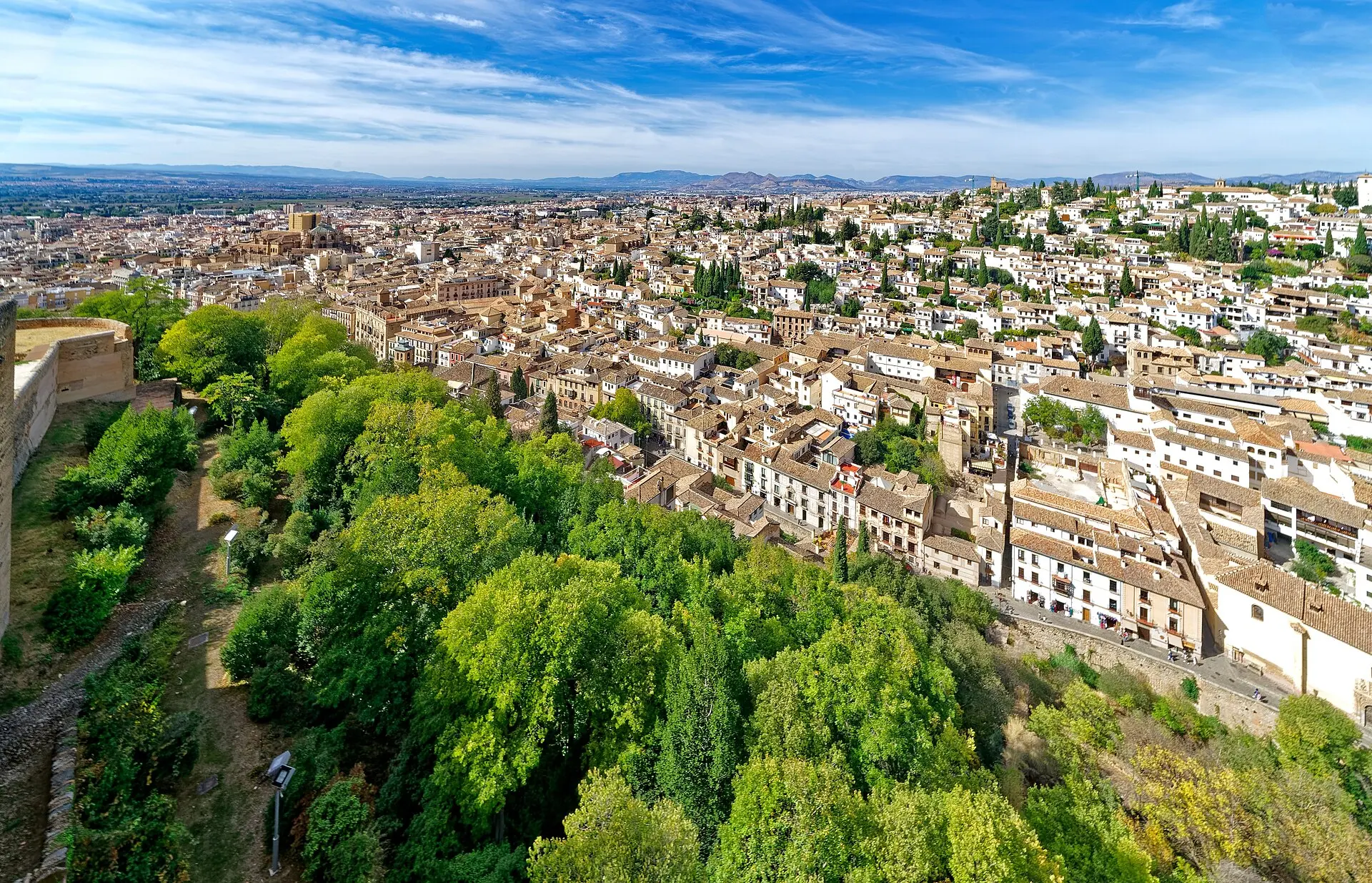
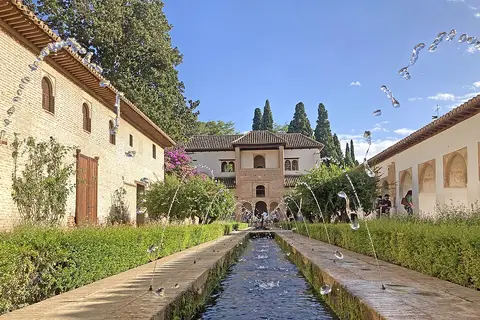
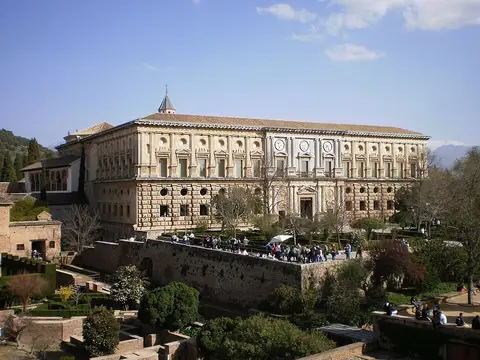
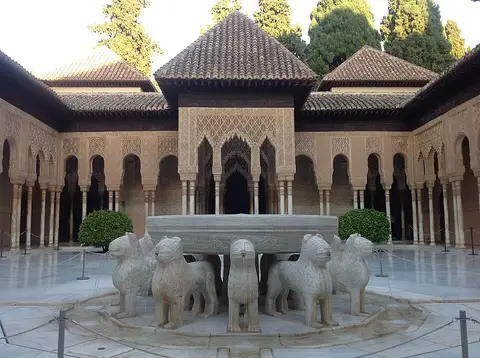
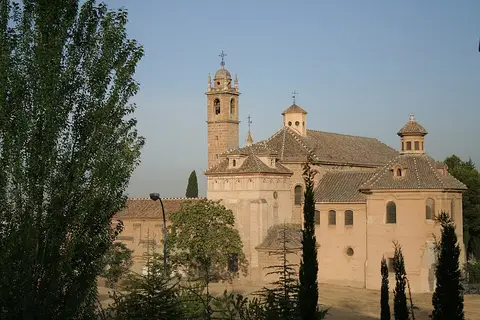
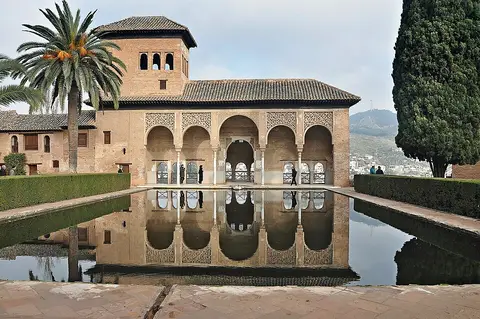
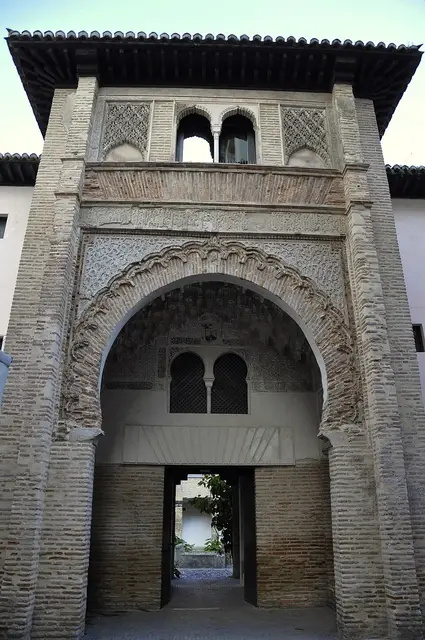
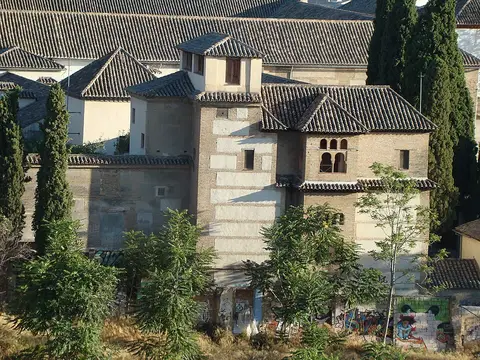
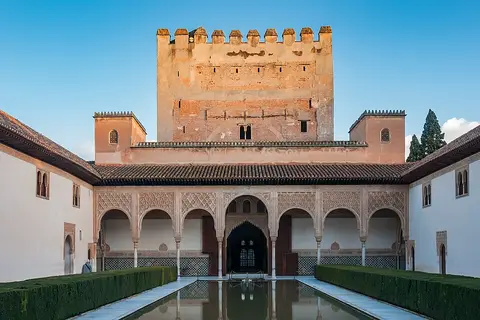
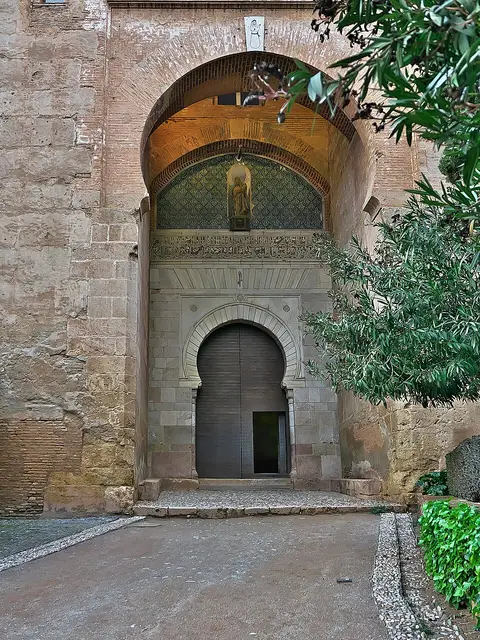
The Alhambra is one of Spain's most visited attractions, and the Nasrid Palaces with the Court of the Lions can only be entered with a timed-entry ticket – be sure to book weeks in advance. Stucco ornamentation, wooden domes, and reflecting pools create an atmosphere that leaves even seasoned travelers speechless. The Generalife gardens, once the emirs' summer retreat, lie right next door. Across the valley stretches the Albaicín, the old Moorish quarter with whitewashed houses and hidden garden homes known as cármenes. The Mirador de San Nicolás offers the classic view of the Alhambra. Farther up lies Sacromonte, where Gitanos once lived in caves and where flamenco is now performed in cave venues. In the Centro-Sagrario district stands the mighty Renaissance cathedral, surrounded by the Alcaicería, a narrow bazaar quarter.
Tapas, Tea Houses, and Student Life
Granada is one of the last cities in Spain where a free tapa comes with every drink – often surprisingly generous, from tortilla to fried eggplant with cane honey. Habas con jamón and pionono, small sponge-cake rolls from nearby Santa Fe, are also typical. On Calle Calderería Nueva below the Albaicín, tea houses smell of mint, and North African shops sell lamps and spices. Thanks to the large university, the nightlife is lively, especially around Calle Elvira, in Realejo, and in the student quarter around Plaza Toros and Doctores.
Lorca, Realejo, and the Modern City
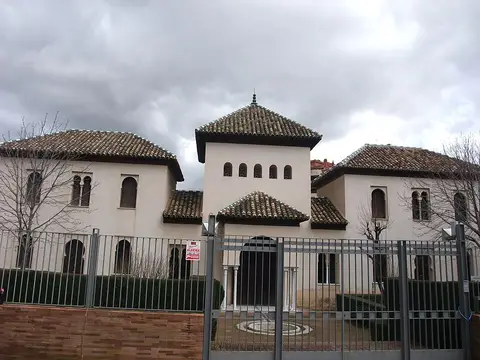
Granada is also the city of the poet Federico García Lorca, who was murdered near the city in 1936 at the start of the Civil War. His summer home, Huerta de San Vicente, lies in a park in the west of the city and is open to visitors as a museum. The Realejo district, formerly the Jewish quarter, is now known for large-scale murals by the street artist El Niño de las Pinturas. Around the Carrera del Darro, which runs along the little river beneath the Alhambra, you'll find the city's most beautiful photo spots.
Getting Around and Best Time to Visit
Federico García Lorca Airport (GRX) is about 9 miles (15 km) to the west, and buses run into the center. The train to Madrid takes about three and a half hours. Small minibuses serve the Albaicín and the Alhambra, and one metro line connects the center with Zaidín and the suburbs. The best times to visit are spring and fall; summers get very hot. In winter, you can ski in the Sierra Nevada in the morning and sit by the sea on the Costa Tropical in the afternoon – both are only about an hour away.