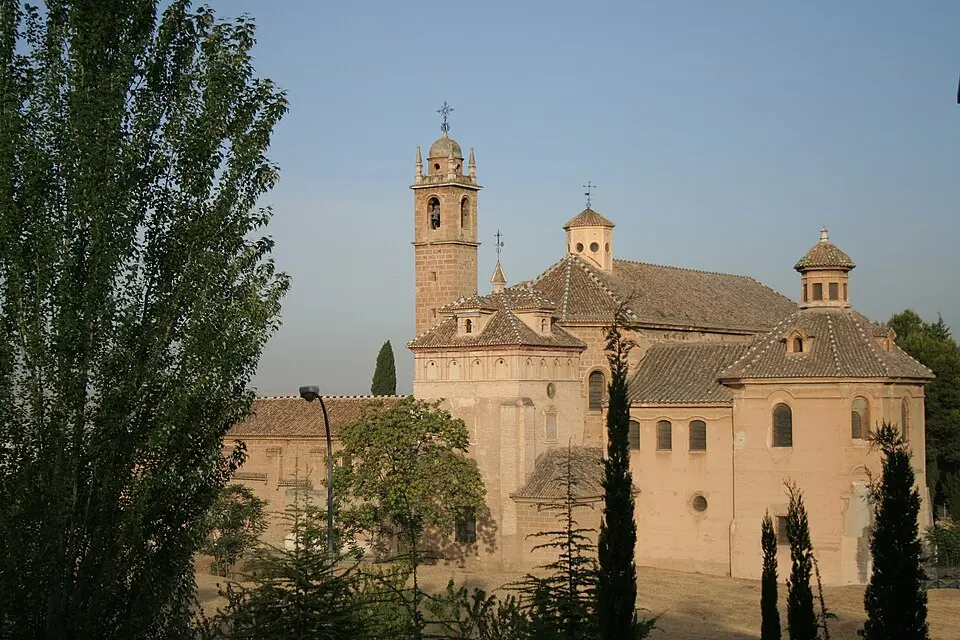
About Monasterio de la Cartuja
The Granada Charterhouse is a former monastery dedicated to the Assumption of Mary, home to Carthusian monks until secularization in the 19th century. Construction began in the early 16th century on the site of a former Moorish summer residence called Aynadamar. Despite destruction by French troops and later looting, the complex is now considered one of the most significant examples of Spanish Baroque architecture. Since being declared a national artistic monument in 1931, the building has been under state protection and answers directly to the Archbishop of Granada. Visitors enter the grounds through a simple Plateresque-style gate that leads into the central cloister. This square courtyard is framed by Doric columns, and its orange trees, fragrant plants, and fountain strongly recall Moorish gardens.
Inside the church, which was not completed until 1662, white walls dominate, as is typical of Carthusian churches. The space is divided into areas for lay brothers and priests, with the front section reserved for the monks. The sacred art is a feast for the eyes: the dome features a fresco by Antonio Palomino depicting scenes from the life of St. Bruno and the Holy Trinity. In the sanctuary behind the main altar, marble canopies and statues symbolizing the cardinal virtues are particularly impressive. The sacristy is regarded as the high point of the late Baroque and houses elaborate woodwork made from fine hardwoods as well as paintings by Juan Sánchez Cotán and other artists.
The various chapels and halls around the cloister tell the story of monastic life. Works by Juan Sánchez Cotán are displayed in the refectory, while the chapter house is known for its excellent acoustics. The De Legos Chapel, built in the late Gothic style, holds paintings by Vicente Carducho. Overall, the Charterhouse combines Gothic, Plateresque, and Baroque elements into a harmonious whole that offers insight into the spiritual and artistic world of the Carthusians.
At a glance
- Category
- Sight › Monuments
- Rating
- no reviews yet · write a review
- Address
- Paseo de Cartuja, 49
18011 Granada, Spain - District
- San Ildefonso
- Phone
- +34958161932
- Website
- www.granadatur.com
- informacion@granadatur.com
- Coordinates
- 37.19202° N · -3.59947° E
- Data quality
- confidence 1.00
- Identifier
- ID 8bbc7123-47c…
Location & surroundings
Toggle layersRatings & comments
none yetNear Monasterio de la Cartuja
closest 5 per category · 2 kmSights
Restaurants
Museums
Hotels
More:Monuments in Granada (31)All sights in Granada (183)
226 places within 2 km loaded.
Don't miss in Granada
All sights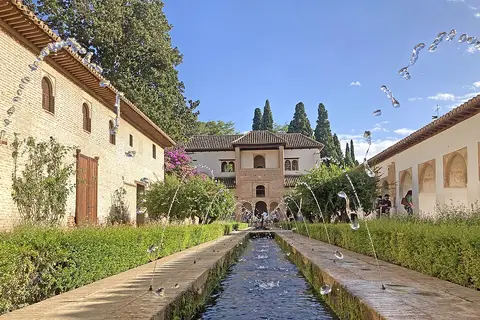 Historic sites01
Generalife
Palacio y Jardines del · Granada● Website● Phone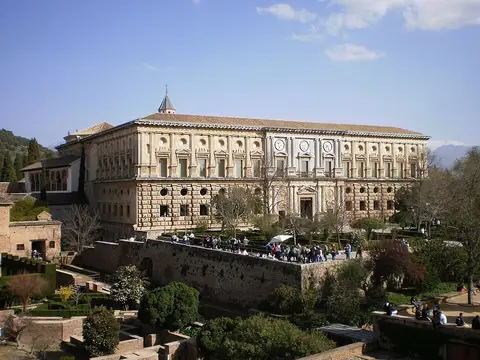 Palaces02
Palace of Charles V
C. Real de la Alhambra, s/n · Granada● Website● Phone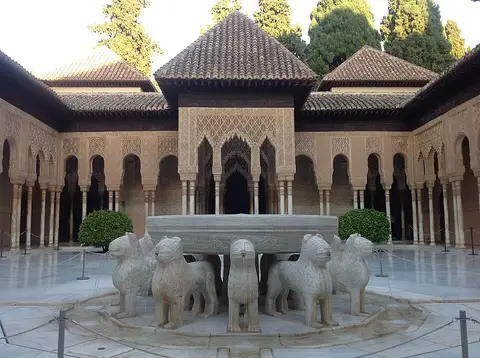 Historic sites03
Patio de Los Leones
C. Real de la Alhambra, s/n · Granada● Website● Phone Palaces04
You need a free account to leave reviews and photos – that keeps comments genuine and lets you edit them later.
A spectacular example of Baroque-style architecture, this monastery was commissioned in the 16th century but construction was interrupted and not completed until over three centuries later. Upon entering you'll pass through a cloister garden that serves as the building's tranquil courtyard, with small rooms splitting off from here, many with grisly paintings of martyrs meeting their fates. The single-nave church is spectacular and lavishly decorated, with the sanctuary and sacristy containing many beautifully crafted and intricate artworks.
Source: Wikivoyage, „Granada“ · authors per page history · CC BY-SA 4.0