
Discover Seville: Alcázar, Flamenco, and the Scent of Oranges
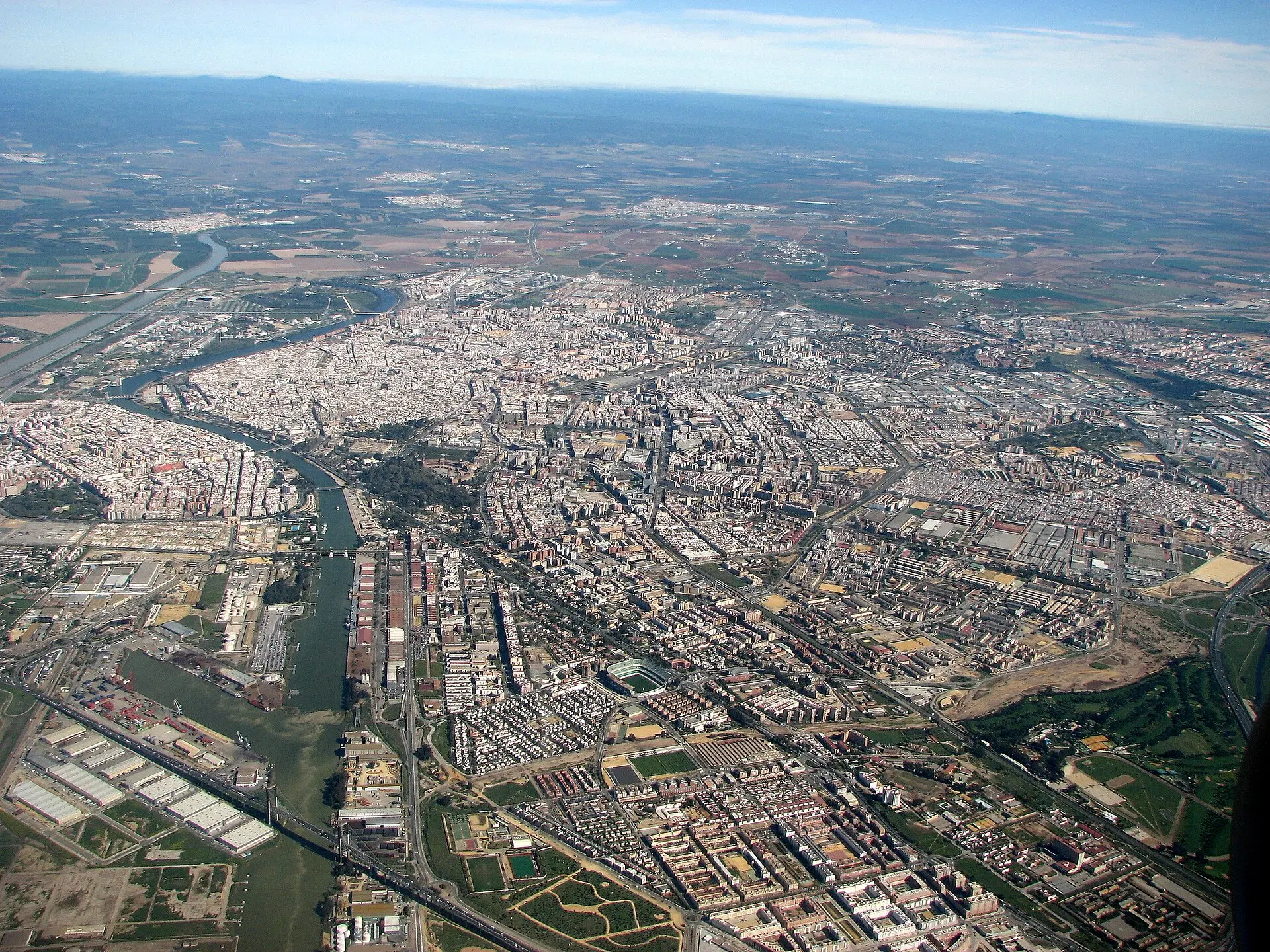
Travel guide · editorialIn spring, all of Seville smells of orange blossoms, and in the evening the clapping of a flamenco circle echoes from some bar or other. The Andalusian capital is Spain in concentrated form – Moorish palaces, one of the largest cathedrals in the world, and festivals that draw hundreds of thousands of people. A trip to Seville is worthwhile in almost any season, except perhaps the scorching height of summer.
The Gateway to the New World
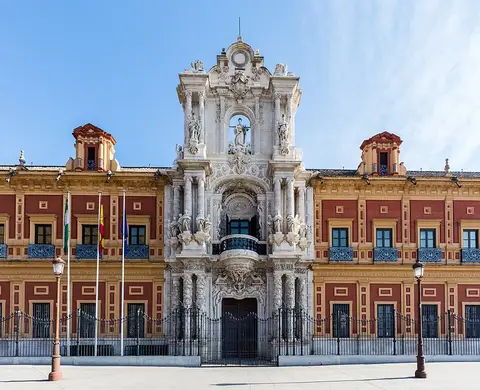
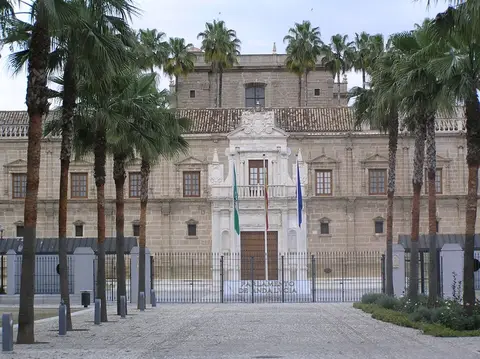
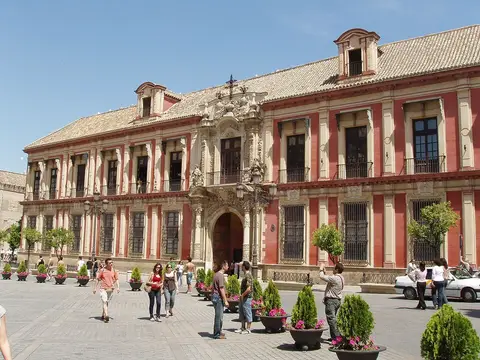
The Romans already knew Hispalis, and nearby Itálica was even the birthplace of the emperors Trajan and Hadrian. The Moors ruled for more than five centuries, and the minaret of today's Giralda and parts of the Alcázar date from that era. After the Reconquista in 1248, the city's real rise began: from 1503 on, it held the trade monopoly for the American colonies. Gold and silver from overseas flowed in along the Guadalquivir, and Seville became one of the richest cities in Europe. Palaces, churches, and the Archivo de Indias, which houses documents on colonial history, tell the story.
Sights in Seville
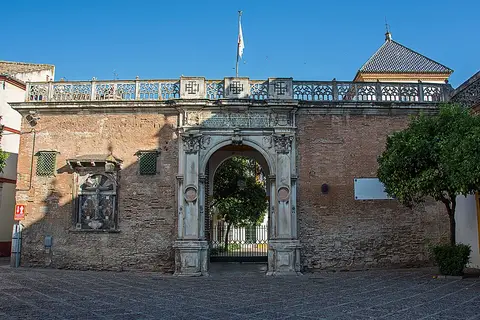
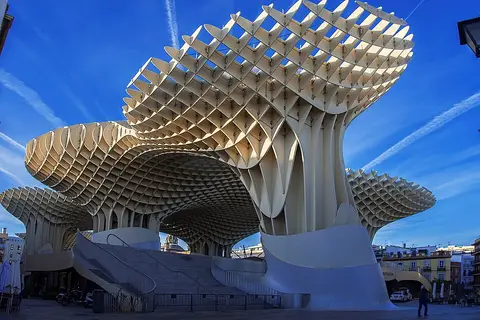
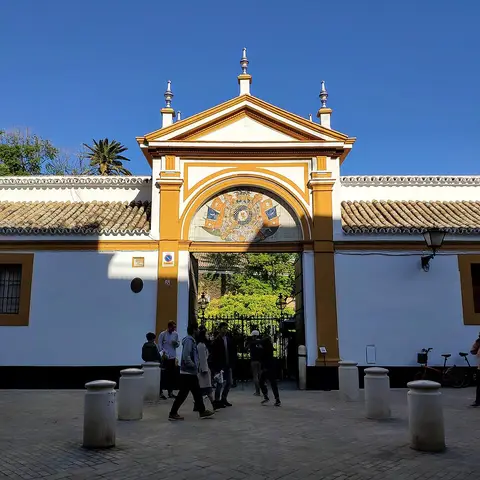
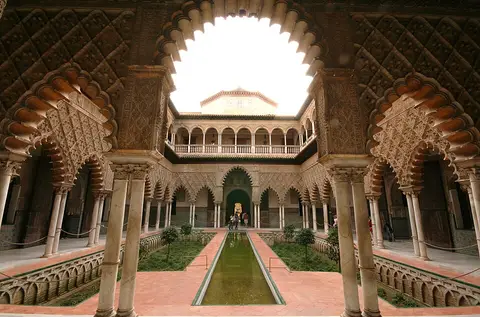
The Gothic cathedral was built on the foundations of the great mosque; inside, Christopher Columbus rests in an ornate tomb. Wide ramps rather than stairs lead up the Giralda so that the muezzin could once ride up on horseback. The Real Alcázar, still the residence of the royal family when they visit, showcases Mudéjar art of the highest refinement, along with gardens full of palms and pavilions – fans will recognize filming locations from "Game of Thrones." The Plaza de España, built for the Ibero-American Exposition of 1929, wraps a semicircle of brick and azulejos around a canal with rowboats. A newer landmark is the Metropol Parasol, a huge wooden mushroom-shaped structure at La Encarnación, whose roof you can walk across. To the south lies the Parque de María Luisa, a lush park with ponds, pavilions, and pigeons that is the city's best refuge on hot days. Finally, a boat trip on the Guadalquivir shows how closely Seville is tied to its river.
Neighborhoods: Santa Cruz, Triana, and El Arenal
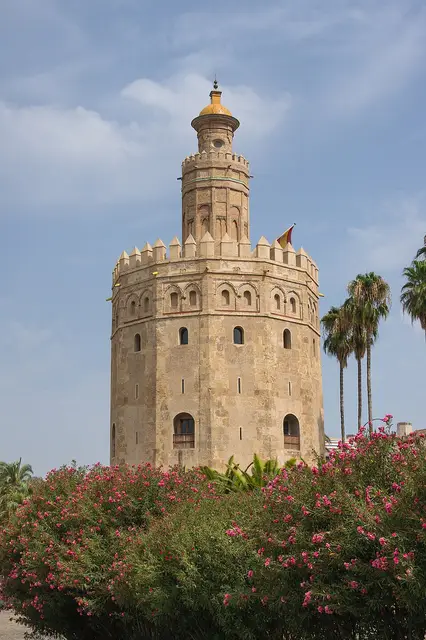
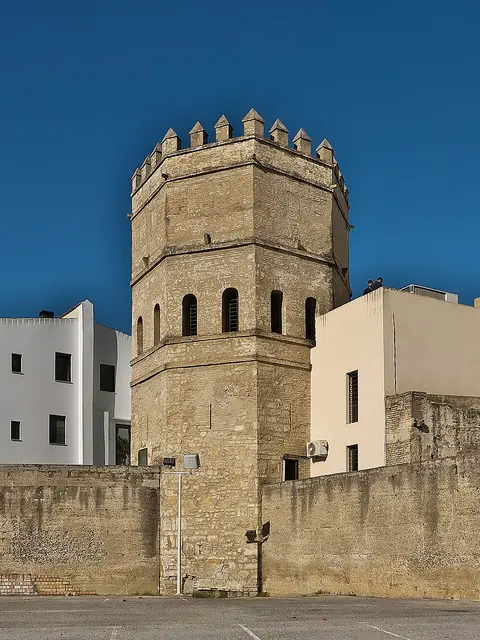
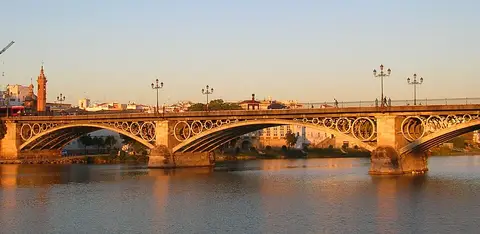
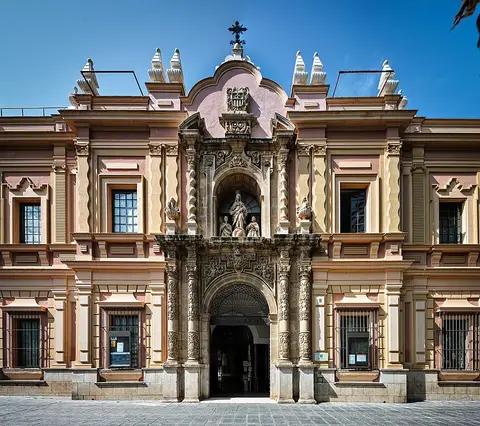
Santa Cruz, the old Jewish quarter, is a labyrinth of whitewashed lanes, courtyards, and small squares full of orange trees. The Alfalfa is the nightlife district of the old town, while Encarnación-Regina, with its market and alternative shops, is its younger counterpart. El Arenal on the river is home to the Real Maestranza bullring and the Torre del Oro. The quiet Museo neighborhood surrounds the Museo de Bellas Artes, Spain's second most important painting museum, with works by Murillo and Zurbarán. Across the Isabel II Bridge you reach Triana, the traditional quarter of potters, sailors, and flamenco singers – ceramics workshops and the Mercado de Triana, built over the remains of an Inquisition castle, still shape it today.
Eating in Seville: Tapas as a Way of Life
Seville claims to have invented the tapa, and hardly anywhere is it lived so wholeheartedly. Typical dishes include espinacas con garbanzos (spinach with chickpeas), pringá (a roll with braised meat), salmorejo, and fried fish. You'll wash them down with ice-cold sherry from nearby Jerez or a draft beer. Restaurants in Seville don't fill up until after 9:30 p.m., and lunch is eaten between 2 and 4 p.m. By the way, the oranges on the street trees aren't eaten in winter – they're bitter and mostly get shipped to Britain to make marmalade.
Festivals and Flamenco
Semana Santa turns the city into a stage: brotherhoods carry sacred figures through the night, accompanied by drums and saetas, spontaneously sung prayers. Two weeks later comes the Feria de Abril, with hundreds of colorful tents, horse-drawn carriages, and sevillanas until morning. You can experience flamenco year-round in Triana and in small peñas, and in an impressive way at the Museo del Baile Flamenco as well.
Getting Around Seville and the Best Time to Visit
San Pablo Airport (SVQ) is connected to the center by bus, and the AVE high-speed train reaches Madrid in about two and a half hours. The flat city center is best explored on foot or by rental bike. The best times to visit are spring and late fall; in July and August, temperatures often top 40 degrees Celsius (104°F). Worthwhile day trips go to Córdoba, Carmona, or the ruins of Itálica.